No offence taken. Just sharing some insights from my line of work. We're facing a number of things that are almost certain. Firstly, we're living longer and so people entering the workforce today are almost certainly going to be working far longer than their parents. So the old "study>work>retire" model is quite probably not going to apply to them. I'm not even convinced it will apply to you and I, but lets be conservative and say our children. If people are working for 60 years with the pace that the world is moving today the idea that you'll do one thing for that entire time is highly unlikely.
This is especially so given the pace of technological change, which is likely to force change upon people even if they don't engage in it willingly. I'm generally not a subscriber to the "robots are taking our jobs" thing, but they are almost certainly going to change the jobs we do, and the things that we will need to be good at in order to stay in work.
There may be other macro trends but those are the two that we can talk about with a degree of certainty. Obviously, we can pretend these things aren't happening or we can adapt as individuals and as a society. As you say, education is the biggest area for change as university education is ruinously expensive if we need to engage with it more than once or twice in our lives. We've seen shorter micro-courses grow in popularity but transferrable credentials remain an area where the job market hasn't really caught up. Similarly, countries like South Korea have perhaps led the way in supporting lifelong learning, both in terms of providing financial support to people and with accrediting training they do do. It is likely to require state intervention of that nature as evidence from employers shows that they tend to recruit in the skills they need rather than develop their existing workforce.
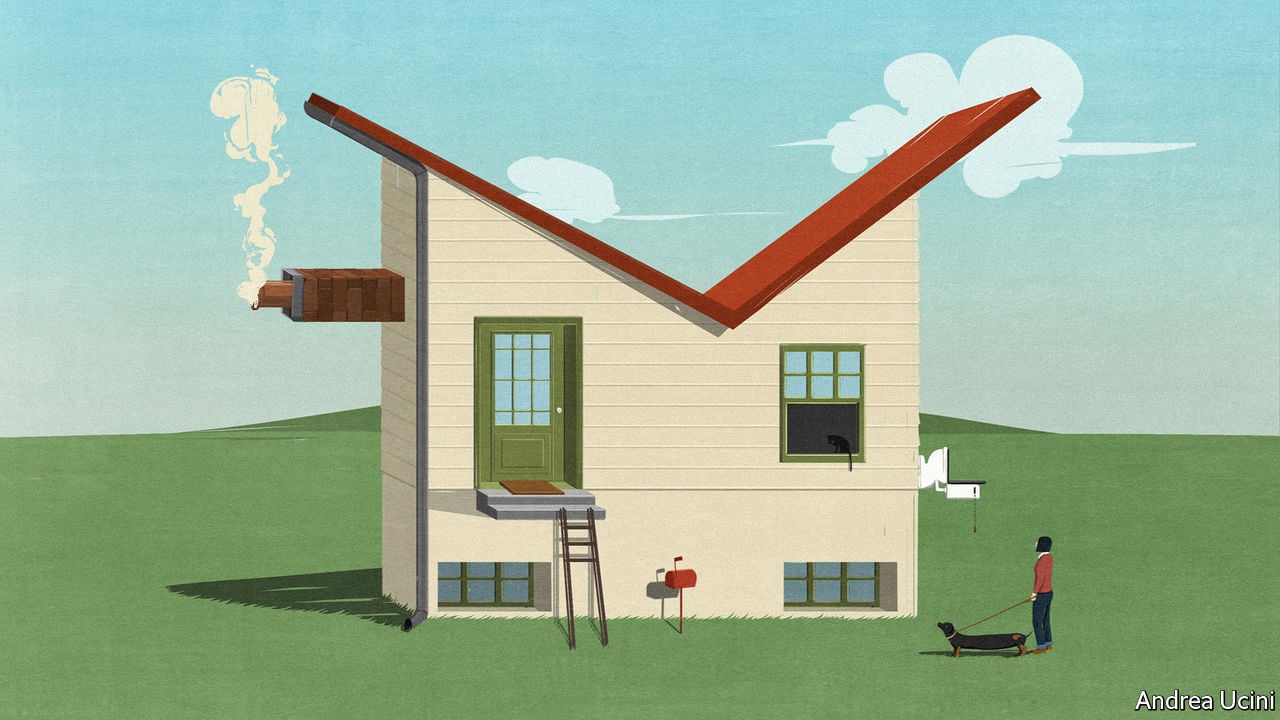
With housing and to a large extent transportation, the days of owning these assets also seem to be ebbing away. I suspect as a Londoner you are already familiar with not owning a car and "renting" either an Uber style service or public transport. If we ever get to a point where driverless cars become a reality then the car ownership model will become even less feasible. I wouldn't be surprised if home ownership doesn't go the same way. Homeownership in Switzerland is about 40%. In Germany it's 50%. Egalitarian countries like Denmark and Sweden see around 60%. Are they somehow worse than Romania with 96%? Indeed,
The Economist recently went as far as to say that promoting homeownership is the biggest policy mistake the West has ever made.
It is an obsession that undermines growth, fairness and public faith in capitalism

www.economist.com
I don't think this has to guarantee the kind of dystopian future you describe, but it will require us as individuals and as society to tackle things head-on rather than pretend they don't exist.