Sickness rates are higher, bed capacity is down. Patients that are being treated are generally sicker than previous years.Well it's complicated.
But there's also an issue around social care - I wrote about it here:
Much of the UK fishing quotas are given to supertrawlers rather than the small fishing fleet.
So think the opposite is far more likely.
Any significant drop in the value of the pound could quite easily see large numbers of settled EU workers return back to their native countries.
Many sectors are reliant of workers with skills that take time to learn or aren't attractive enough prospects based on the salary - now I think that's a double edged sword as the EU can provide those people easily without the need to raise wages or benefit - but for small enterprise or family owned businesses that rely on this workforce and whose margins won't tolerate a sustained period of instability or downturn.
Adult social care and domiciliary care is a prime example as around 100,000 EU nationals work in the sector, and 80% of the providers are small/medium enterprise, hospitality is another.
Just for interest the figures from health and social care sector suggest around 100,000 social care staff are EU Nationals and a significant proportion of domiciliary care providers (around 80%) are small/medium family owned businesses who are very susceptible to fluctuations in the £.
Through Covid, reduction in UK economy and Brexit, it's impacted social care provision.
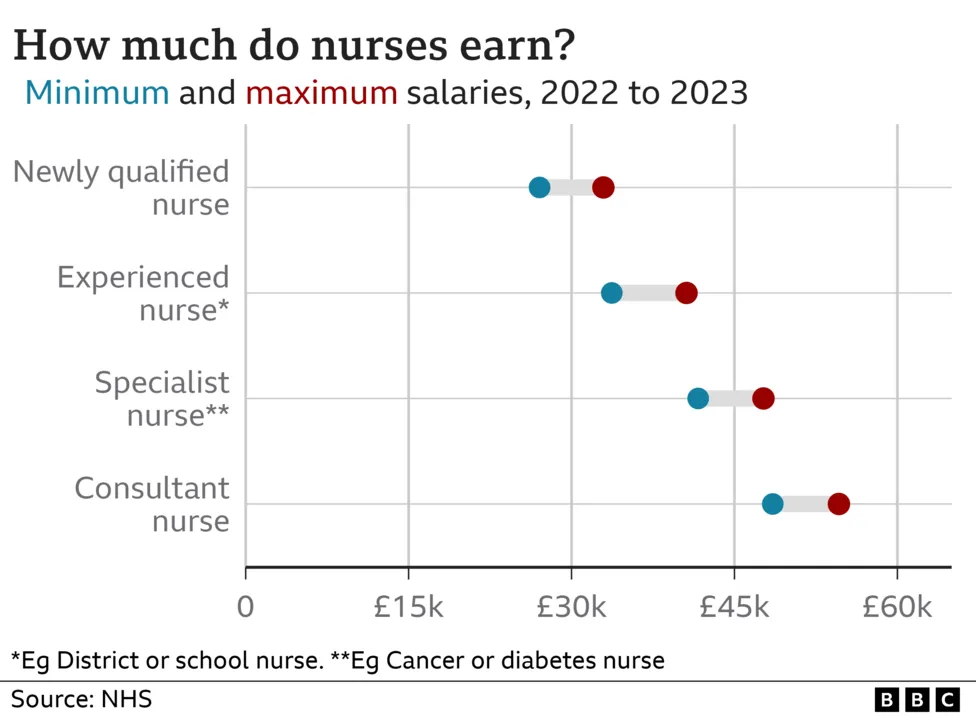
And, you're in an industry that has high stress, low autonomy, high demand, low wages.
You could triple your salary becoming a train driver, for example, with roughly the same qualifying criteria.