
I’m of the opinion that the EU won’t be around much longer, I believe it is destined to fall apart. But that’s probably for another thread.The people of the EU elect the European Parliament. The European Parliament then elects the Commission President. It's a democratic mandate.
That said, I look forward to the day when we have a direct election of the Commission President by the people. But given the national politics involved, I think we're some way off that yet.
You are using an out of date browser. It may not display this or other websites correctly.
You should upgrade or use an alternative browser.
You should upgrade or use an alternative browser.
Current Affairs Israel is an apartheid state
- Thread starter Billy Dean
- Start date
- Status
- Not open for further replies.

mightymoyes
Player Valuation: £70m
I think she gone rogue here without a clear collective mandate. She clearly doesn't speak for every member state.
The European Parliament haven’t convened on the issue and thus, haven’t created a ‘parliamentary position’.
Also by her actions and clear side taking i think she's put European and National governments diplomats and officials in the generals region in a fair bit of risk.
She's exposed herself as a massive hypocrite and should resign

She's exposed herself as a massive hypocrite and should resign
Her time is up next year so i doubt it mate, but i think she over reached here. She will be scolded privately, its the European way.
But agree completely, disgusted by it.
Doesn't speak for Ireland.

Martin Alvito
Player Valuation: £50m
The reason that amendment happened was the general consensus that the Senate had been in the pocket of the trusts for the preceding quarter-century. It's not a coincidence that the Clayton Antitrust Act was passed the following year. In general, structural reform requires broad consensus that there's a problem, due to the supermajority provisions most states other than the UK require. (The UK uses long-standing norms perceived as red lines not to be crossed.)It seems that the US brought in the 17th Amendment as an attempt to increase the democratic character of the voting procedure by directly voting for Senators, I believe the EU should follow suit in the instance of EU Presidency, especially since in the case of the EU, the role of President isn’t linked to a political party. Unlike the US, The EU President is not the leader of a party and so isn’t held accountable by voting.
In the context of Israel, it would take a lot more for that sort of consensus to form in the European Parliament. There would have to be some real consequences above and beyond the sense of not feeling represented. She probably will be told she goes down if she pulls another stunt like this, and not to expect a return to the seat. She likely will feel she spent her one get-out-of-jail free card in the right spot, and life will go on.
The reason that amendment happened was the general consensus that the Senate had been in the pocket of the trusts for the preceding quarter-century. It's not a coincidence that the Clayton Antitrust Act was passed the following year. In general, structural reform requires broad consensus that there's a problem, due to the supermajority provisions most states other than the UK require. (The UK uses long-standing norms perceived as red lines not to be crossed.)
In the context of Israel, it would take a lot more for that sort of consensus to form in the European Parliament. There would have to be some real consequences above and beyond the sense of not feeling represented. She probably will be told she goes down if she pulls another stunt like this, and not to expect a return to the seat. She likely will feel she spent her one get-out-of-jail free card in the right spot, and life will go on.
I’m of the opinion that the EU won’t be around much longer, I believe it is destined to fall apart. But that’s probably for another thread.

Blue Heart
Player Valuation: £500k
Her time is up next year so i doubt it mate, but i think she over reached here. She will be scolded privately, its the European way.
But agree completely, disgusted by it.
Doesn't speak for Ireland.
If she doesn't speak for Ireland, I assume she doesn't speak for anyone, so what's the point of her office?
(It might also be the case that Irish people have a variety of opinions anyway.)
Martin Alvito
Player Valuation: £50m
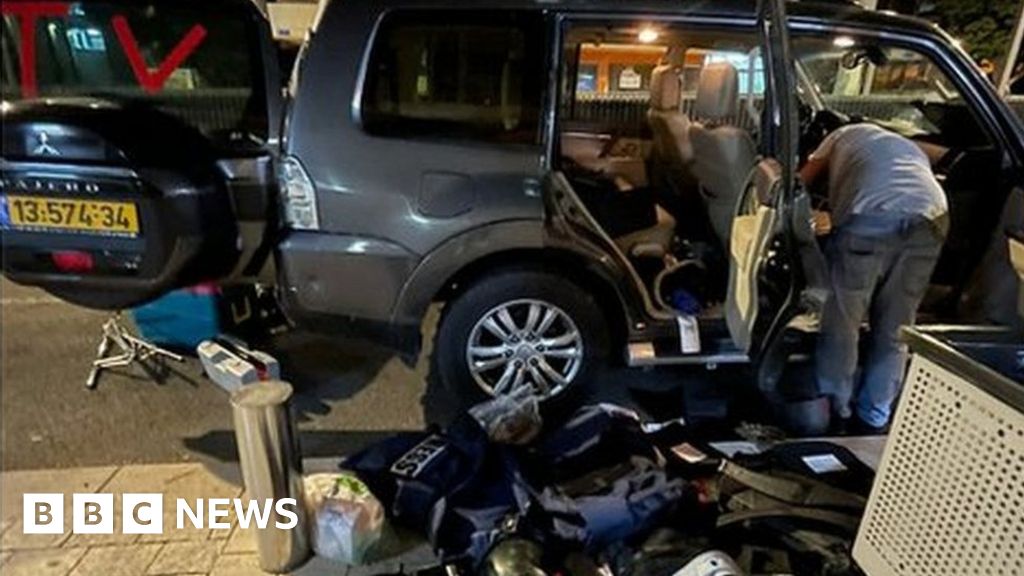
BBC journalists held at gunpoint by Israeli police
A BBC Arabic team was driving to back to a hotel when they were stopped and dragged from their car.
www.bbc.com
That level of paranoia won't wash for long.
If she doesn't speak for Ireland, I assume she doesn't speak for anyone, so what's the point of her office?
(It might also be the case that Irish people have a variety of opinions anyway.)

President of the European Commission - Wikipedia
In that case as i said she doesn't speak for the whole of Ireland.

davek
Player Valuation: £150m
Rightly so.
'On the 75th anniversary of Israel's independence, von der Leyen referred to Israel as a "vibrant democracy" in the Middle East that made "the desert bloom"'.

TheFinnFan
Finners
Hamas' objectives and the hate that they bare....awfully similar to Nazis. Their goal is to wipe Israel from the map. After what they did few days ago Definitely gives sovereign country permission to go after the root of that.so because someone thinks their trouble they deserve to be wiped out , like i said before no better than nazis


JobForTheMoyes
Player Valuation: £50m
Interesting background: The Ladson family were large plantation owners and her ancestor James H. Ladson owned over 200 slaves by the time slavery in the United States was abolished; her relatives and ancestors were among the wealthiest in British North America in the 18th century, and she descends from one of the largest slave traders in the Thirteen Colonies, Joseph Wragg.She's exposed herself as a massive hypocrite and should resign

Hamas' objectives and the hate that they bare....awfully similar to Nazis. Their goal is to wipe Israel from the map. After what they did few days ago Definitely gives sovereign country permission to go after the root of that.
They won't achieve it by killing thousands of innocent civilians, and displacing hundreds of thousands more.

Genuine question to all this - and? I don't see what the link between the two is.Interesting background: The Ladson family were large plantation owners and her ancestor James H. Ladson owned over 200 slaves by the time slavery in the United States was abolished; her relatives and ancestors were among the wealthiest in British North America in the 18th century, and she descends from one of the largest slave traders in the Thirteen Colonies, Joseph Wragg.
We can justifiably look at what she's said in her position and question her mandate to do so, but honestly what has her family history go to do with it?
I always find it interesting how these wealthy families and ruling elites which were involved and benefitted from slavery and other atrocious acts are now at the forefront of “human rights”Interesting background: The Ladson family were large plantation owners and her ancestor James H. Ladson owned over 200 slaves by the time slavery in the United States was abolished; her relatives and ancestors were among the wealthiest in British North America in the 18th century, and she descends from one of the largest slave traders in the Thirteen Colonies, Joseph Wragg.
- Status
- Not open for further replies.
Welcome
Join the Everton conversation today.
Fewer ads, full access, completely free.