tsubaki
Player Valuation: £90m
Imagine spending all your life in that faith and then coming out with such rubbish. She should be made to walk around her district wearing a tabard with "Matthew 25:40" on the front and back for the rest of her term.

Brain read what it should have said anyways, only noticed when you pointed it out.

The BBC. Per capita it is unchanged.Have you a source for that as the data I’ve seem is different, at least in number of casualties.

More Guns, More Mass Shootings—Coincidence?
America now has 300 million firearms, a barrage of NRA-backed gun laws—and record casualties from mass killers.www.motherjones.com
And the FBI says that the number of what it terms “ active shooter incidents” has grown considerably since 2000

Welcome to fbi.gov | Federal Bureau of Investigation
We protect the American people and uphold the US Constitution. You can report suspicious activities and crime by contacting us 24/7 at tips.fbi.gov.www.fbi.gov

A basket case of a country.

A link would be nice...The BBC. Per capita it is unchanged.

This a quote from the BBC correspondent at the time:A link would be nice...
All other crime stats (both violent and property) have gone down since the 1970s so even if it has stayed the same per capita it is still a significant outlier.
Crime in the United States - Wikipedia
en.m.wikipedia.org

It depends on how you define 'mass shootings', and the method that you deploy.This a quote from the BBC correspondent at the time:
"People in the US are no more likely to be involved in mass shootings now than they were in the 1970s or any decade since. The number of mass shootings in the US has risen in line with the increase in population since the 1970s."
Neil deGrasse Tyson got a lot of flack for pointing out:
In the past 48hrs, the USA horrifically lost 34 people to mass shootings.
On average, across any 48hrs, we also lose…
500 to Medical errors
300 to the Flu
250 to Suicide
200 to Car Accidents
40 to Homicide via Handgun
Often our emotions respond more to spectacle than to data.

 www.rand.org
Thanks for the quote but I’d still like to know what data that reporter is basing their statement on, especially as it appears to disagree with the data from the FBI - the organization who are meant to investigate and track these incidents.. I mean these are charts from their 2017 reportThis a quote from the BBC correspondent at the time:
"People in the US are no more likely to be involved in mass shootings now than they were in the 1970s or any decade since. The number of mass shootings in the US has risen in line with the increase in population since the 1970s."
Neil deGrasse Tyson got a lot of flack for pointing out:
In the past 48hrs, the USA horrifically lost 34 people to mass shootings.
On average, across any 48hrs, we also lose…
500 to Medical errors
300 to the Flu
250 to Suicide
200 to Car Accidents
40 to Homicide via Handgun
Often our emotions respond more to spectacle than to data.
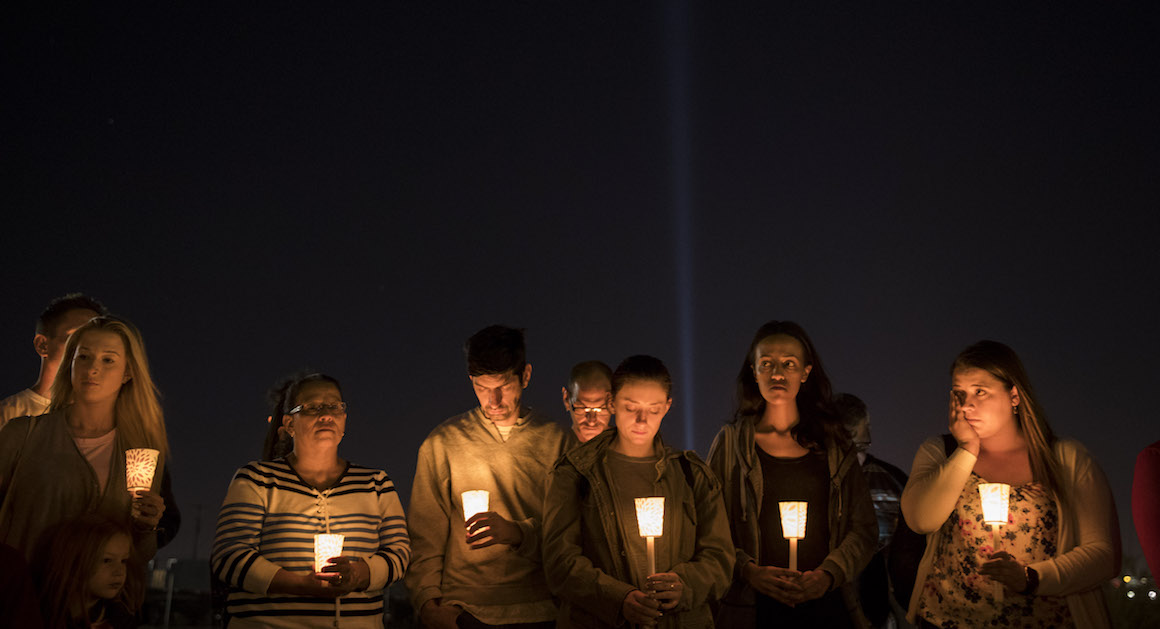
 www.politico.com

Often our emotions respond more to spectacle than to data
Since you're a man of data, I have to ask, do you reckon there's a scientific reason people would get more "emotional" about men, women and children dying in hails of bullets than they do about people dying in car accidents?
Do you think the rate of people who die in mass shootings is okay because people also die in car crashes?
Unreal.
Join the Everton conversation today.
Fewer ads, full access, completely free.