Current Affairs Coronavirus Thread - Serious stuff !!!

Status
Not open for further replies.
You could be right and perhaps I am misreading and not accounting for the 21 day second dose not marked. Its made me a bit reflective though of the two dose strategy, in the study first dose protection is somewhere between 50%-90% odd depending on who is vaccinated.

An anecdotal study was done in Sheba Medical Center vaccinating its nearly 10,000 staff members with the Pfizer COVID-19 vaccine. Vaccination there started Dec. 19, 2020, which coincided with the third wave of COVID-19 in Israel. The researchers looked to see the rate of reduction in SARS-CoV-2 infection and COVID-19 disease after vaccination. By Jan. 24, 2021, 7,214 health care workers there had received a first dose, and 6,037 had received the second dose.

Altogether, there were 170 cases of infection between Dec. 19, 2020, and Jan. 24, 2021. Of those, 89 people, or 52%, were unvaccinated; 78 people, or 46%, tested positive after the first dose; and three, or 2%, tested positive after the second dose. Which mirrors the initial Pfizer data of the first dose.

Using the data from the published study of the Pfizer vaccine, Public Health England determined that vaccine efficacy was 89%for 15-21 days after dose 1 – and before dose 2 on day 21. The range was between 52% and 97%. For days 15-28, or up to the first week after the second dose, protection from the first dose was estimated at 91%. The range for this was between 74% and 97%. A second dose would not be expected to confer immunity within that time.

I find it quite amazing, overall given the context that more data hasn’t emerged either positive or negative on one dose of Pfizer or Moderna and the dosing strategyno the declining immunity assumption. Anedotlley in the U.K. the spacing doesn’t seem to have impacted. I’m becoming increasingly questioning of it, when you consider the bed fit of spacing or indeed a single dose, not that I’m reco,ending either - I just find it amazing no clear data has emerged at this point.

*wails into the void that a randomized clinical trial between two shot, one shot, and two shot with extended spacing would have been a really great idea for someone to have done!
 
Dont we already have that trial ongoing?

No, because there aren’t two parallel streams going on at the same time where you can directly compare results between a control arm which has say two doses at 21 days and another arm with either a longer spacing or just one shot. You can infer conclusions from observed results yes and use comparisons to other countries but that introduces a lot of other variables into the mix that two parallel streams conducted under as similar conditions (patient mix, disease prevalence, lockdown rules etc) as you can make.

Iirc I think there is a small trial that does compare the dosing strategy in the UK but don’t think it plans to report until later in the year.
 
You could be right and perhaps I am misreading and not accounting for the 21 day second dose not marked. Its made me a bit reflective though of the two dose strategy, in the study first dose protection is somewhere between 50%-90% odd depending on who is vaccinated.

An anecdotal study was done in Sheba Medical Center vaccinating its nearly 10,000 staff members with the Pfizer COVID-19 vaccine. Vaccination there started Dec. 19, 2020, which coincided with the third wave of COVID-19 in Israel. The researchers looked to see the rate of reduction in SARS-CoV-2 infection and COVID-19 disease after vaccination. By Jan. 24, 2021, 7,214 health care workers there had received a first dose, and 6,037 had received the second dose.

Altogether, there were 170 cases of infection between Dec. 19, 2020, and Jan. 24, 2021. Of those, 89 people, or 52%, were unvaccinated; 78 people, or 46%, tested positive after the first dose; and three, or 2%, tested positive after the second dose. Which mirrors the initial Pfizer data of the first dose.

Using the data from the published study of the Pfizer vaccine, Public Health England determined that vaccine efficacy was 89%for 15-21 days after dose 1 – and before dose 2 on day 21. The range was between 52% and 97%. For days 15-28, or up to the first week after the second dose, protection from the first dose was estimated at 91%. The range for this was between 74% and 97%. A second dose would not be expected to confer immunity within that time.

I find it quite amazing, overall given the context that more data hasn’t emerged either positive or negative on one dose of Pfizer or Moderna and the dosing strategy or data on the declining immunity. Anedotlley in the U.K. the spacing doesn’t seem to have impacted. I’m becoming increasingly questioning of it, when you consider the bed fit of spacing or indeed a single dose, not that I’m reco,ending either - I just find it amazing no clear data has emerged at this point.
It doesn’t necessarily pan out to other vaccines (JnJ one dose for instance does seem effective) but real world results in Chile do indicate that the Chinese vaccine does really need the second dose to provide decent protection
 
It doesn’t necessarily pan out to other vaccines (JnJ one dose for instance does seem effective) but real world results in Chile do indicate that the Chinese vaccine does really need the second dose to provide decent protection

I have a questioning nature mate, I know the logic behind the second dose, but im left with questions, the data is limited and it’s a massive resource that could save countless lives either by spacing or one dose could be going begging by a lack of research - I’m not saying either should or shouldn’t be done, but I’m left with questions of are we using these vaccines to their best potential. I suppose I’m just highlighting the issue, I could understand getting to market quickly and having recommendations based on the initial study especially as it’s a new technology, but we really should have reserched and expanded our knowledge base on the flexibility and limits of the vaccine profile by now.

I am by nature a left leaning liberal or a Democrat in the states - as far as that goes, the potential is there with strong research and data to possibly unlock more potential in these vaccines if the evidence was there. Im suspicious as why it’s not in a way, I think Pfizer in particular have been brilliant and massively reliable as a partner to almost every country, the best by far. But I also know they put their chips on drugs with the biggest mark up, to be taken as often as possible - perhaps it’s unfair, but two doses in quick succession is a quick 50% mark up, while research seems stagnant in changing that status quo. I’m not allegeing anything just sharing thoughts and being reflective systemically, clinically and maybe from a business and societal perspective and the interplay. Prob waffling like.

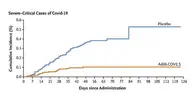
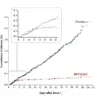
Interestingly as I’m looking into this I found maybe a better comparrison (I know it will still break down if we accept the second dose 21 days). It’s begging for more research though.

J&J 1619044440147.png

Pfizer:

1619044540718.png
 
Last edited:
I have a questioning nature mate, I know the logic behind the second dose, but im left with questions, the data is limited and it’s a massive resource that could save countless lives either by spacing or one dose could be going begging by a lack of research - I’m not saying either should or shouldn’t be done, but I’m left with questions of are we using these vaccines to their best potential. I suppose I’m just highlighting the issue, I could understand getting to market quickly and having recommendations based on the initial study especially as it’s a new technology, but we really should have reserched and expanded our knowledge base on the flexibility and limits of the vaccine profile by now.

I am by nature a left leaning liberal or a Democrat in the states - as far as that goes, the potential is there with strong research and data to possibly unlock more potential in these vaccines if the evidence was there. Im suspicious as why it’s not in a way, I think Pfizer in particular have been brilliant and massively reliable as a partner to almost every country, the best by far. But I also know they put their chips on drugs with the biggest mark up, to be taken as often as possible - perhaps it’s unfair, but two doses in quick succession is a quick 50% mark up, while research seems stagnant in changing that status quo. I’m not allegeing anything just sharing thoughts and being reflective systemically, clinically and maybe from a business and societal perspective and the interplay. Prob waffling like.

Interestingly as I’m looking into this I found maybe a better comparrison (I know it will still break down if we accept the second dose 21 days). It’s begging for more research though.

J&J View attachment 124907

Pfizer:

View attachment 124908
One done has huge advantages, not just as you say about delivering twice the bang for the buck but also it makes it much easier to deliver to underserved groups like the homeless where you can organise a temporary vaccination centre for people to come and get vaccinated but you don’t have the logistical issues surrounding follow up to get the second dose.

The lack of trials (or at least any that I’m aware of) baffles me tbh given the potential benefits.
 
Second jab appointment just through for this Sunday. Hoping for less shivers than the first one produced.

And @marnie, I see some restrictions being lifted in Greece, even though the past week has seen some of the highest number of cases and deaths. Greek government saying travellers fully vaccinated will be allowed from mid May :)
 
I have a questioning nature mate, I know the logic behind the second dose, but im left with questions, the data is limited and it’s a massive resource that could save countless lives either by spacing or one dose could be going begging by a lack of research - I’m not saying either should or shouldn’t be done, but I’m left with questions of are we using these vaccines to their best potential. I suppose I’m just highlighting the issue, I could understand getting to market quickly and having recommendations based on the initial study especially as it’s a new technology, but we really should have reserched and expanded our knowledge base on the flexibility and limits of the vaccine profile by now.

I am by nature a left leaning liberal or a Democrat in the states - as far as that goes, the potential is there with strong research and data to possibly unlock more potential in these vaccines if the evidence was there. Im suspicious as why it’s not in a way, I think Pfizer in particular have been brilliant and massively reliable as a partner to almost every country, the best by far. But I also know they put their chips on drugs with the biggest mark up, to be taken as often as possible - perhaps it’s unfair, but two doses in quick succession is a quick 50% mark up, while research seems stagnant in changing that status quo. I’m not allegeing anything just sharing thoughts and being reflective systemically, clinically and maybe from a business and societal perspective and the interplay. Prob waffling like.

Interestingly as I’m looking into this I found maybe a better comparrison (I know it will still break down if we accept the second dose 21 days). It’s begging for more research though.

J&J View attachment 124907

Pfizer:

View attachment 124908
Just don't alight, just do no follow the money, the fairy tale must told or reality of big pharma and corporate greed "is good" will have the little Johnson sweating in their cribs and they will stamp their feet to demand lateral flow test. Just don't be a Keith.:)
 
Status
Not open for further replies.

Welcome

Join the Everton conversation today.
Fewer ads, full access, completely free.

🛒 Visit Shop

Support Grand Old Team by checking out our latest Everton gear!
Back
Top