

Haha brilliant...weren't they distant relatives though?

There's at least that many over at Anfield alone mate. Sorry for swearing ModsI reckon theres about four

It's life Jim but not as we know itAgree generally there mate! What do you think about about the possibility of non-carbon based life? I know some scientists believe that it is theoretically possible to have life cycles based on silicates instead of carbon.

Unfortunately it's very easy for me to identify with the words "sex" and "zeros" in the same sentence.I would imagine so, this snippet from an article gives you an understanding why I think that:
it means that the chances of our planet being the universe's only potentially habitable rock that actually hosts life would be not one in a million, one in a billion or even one in a trillion -- but one in a sextillion. (In case this is your first time seeing that word, a sextillion is a one with 21 zeroes behind it.)
Or to put it another way more than every grain of sand on every beach on Earth. Surely there must be at least semi intelligent lifeforms somewhere given those numbers.


Highly probably. Yet due to the vast distances involved, and the laws of science, as we understand them, I do not think for a minute that say have come here.I mean extra terrestrial (calm down Bruce).......personally I reckon there are loads out there, for no other reason than there are so many planets that we can't even count them.......so yes or no.......

Given how much research has taken place regarding the birth of the universe, the elements that exist on earth and in the universe etc, is it likely that 'life' would require the same conditions as earth, and that a lifeform would follow a similar molecular structure to whatever exists on earth (by that, I mean if scientists know where we came from, then they'd kind of know the make up of every planet that could exist), or could there be countless undiscovered elements existing somewhere in the universe meaning a lifeform could be existing completely beyond our comprehension?Given the vastness of the Universe it seems possible but the amount of exact requirements for carbon based life to exist it's also possible that the same conditions don't occur anywhere else.

Undiscovered elements are unlikely. The larger ones are ones we've made, don't exist in nature (for the following reason), are unstable and last a matter of milliseconds. This isn't to say that perhaps even bigger elements might become stable again, when we get that far.Given how much research has taken place regarding the birth of the universe, the elements that exist on earth and in the universe etc, is it likely that 'life' would require the same conditions as earth, and that a lifeform would follow a similar molecular structure to whatever exists on earth (by that, I mean if scientists know where we came from, then they'd kind of know the make up of every planet that could exist), or could there be countless undiscovered elements existing somewhere in the universe meaning a lifeform could be existing completely beyond our comprehension?
You say that, but I've been to Derby, which proves that life can exist in the most uninhabitable conditions, so who knows, right?Undiscovered elements are unlikely. The larger ones are ones we've made, don't exist in nature (for the following reason), are unstable and last a matter of milliseconds. This isn't to say that perhaps even bigger elements might become stable again, when we get that far.
You're right though. Carbon atoms on earth are the same as carbon atoms everywhere, and there isn't an element that comes close to doing the life enabling chemistry that carbon does. Similarly water as such a superb diverse solvent to carry nutrients and dissolved gasses, so necessary to enable transport within cells. - so for life, you would need similar conditions to earth.


Its very plausible that life exists in other dimensions around us that we can't see or currently be aware of. Quantum mechanics is hot on the trail of them.



Our exclusive Everton pint glasses are a true collector’s item that pays homage to Goodison Park through iconic players who have graced the pitch over different generations.

The history of Everton FC in one image! “The best Everton thing I’ve ever got!”
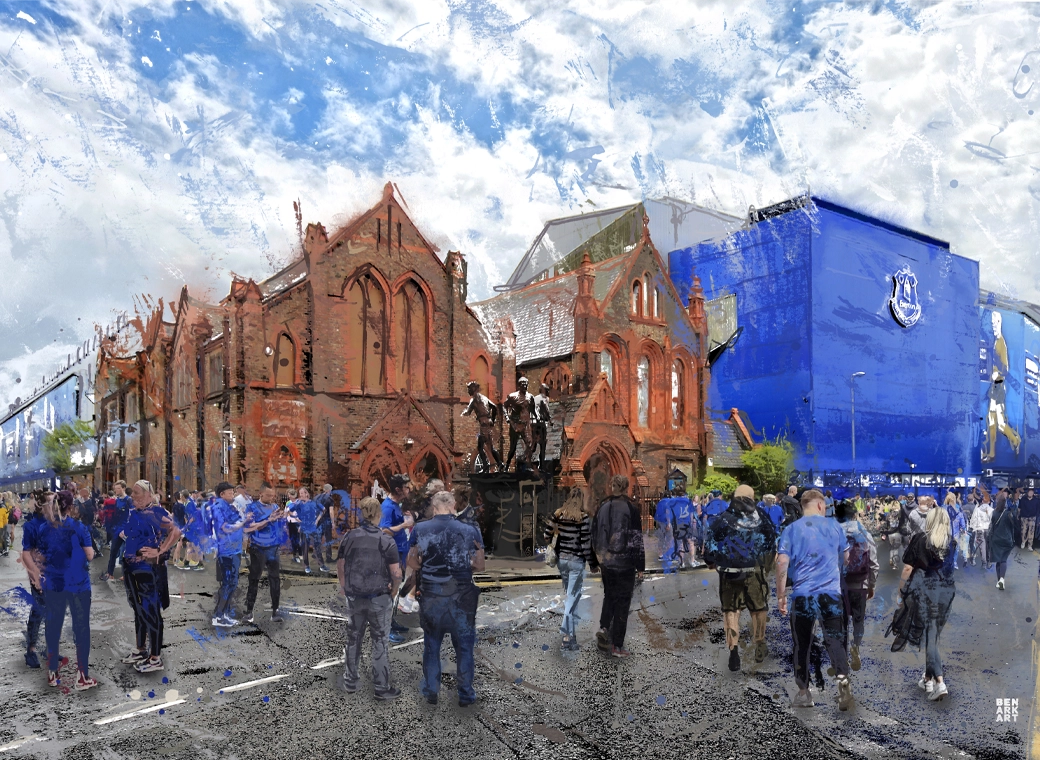
A truly, wonderful piece which brings memories of visits to Goodison Park alive.
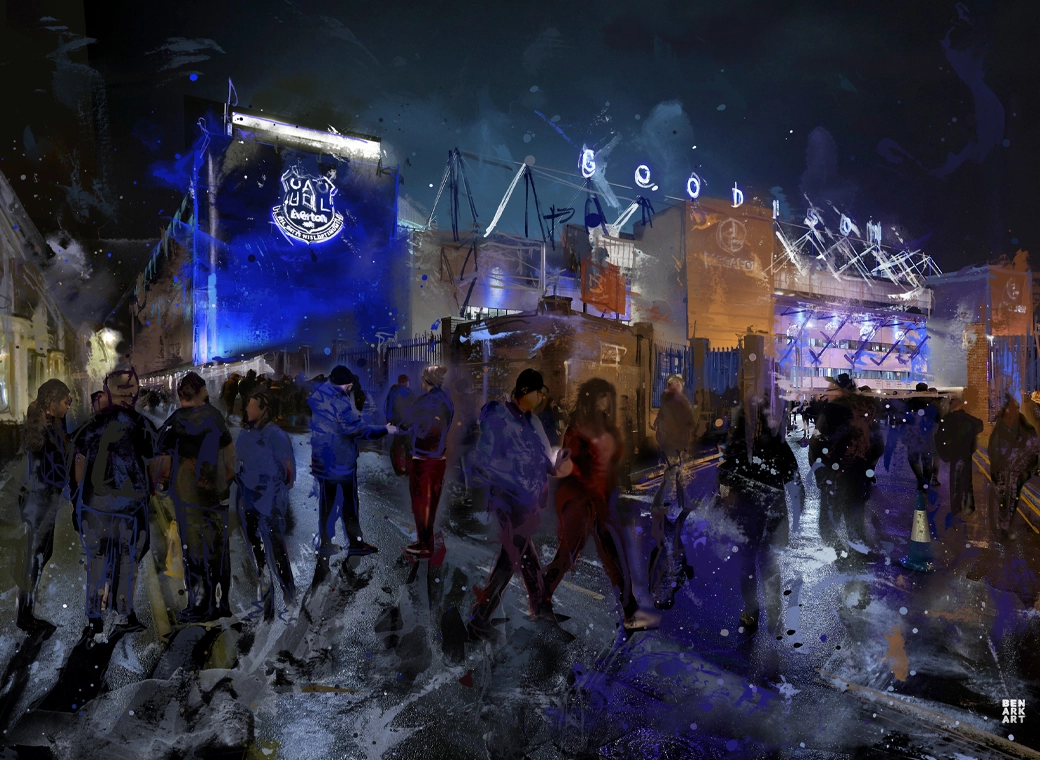
This print wonderfully encapsulates the magic of the ‘Goodison Under The Lights’.
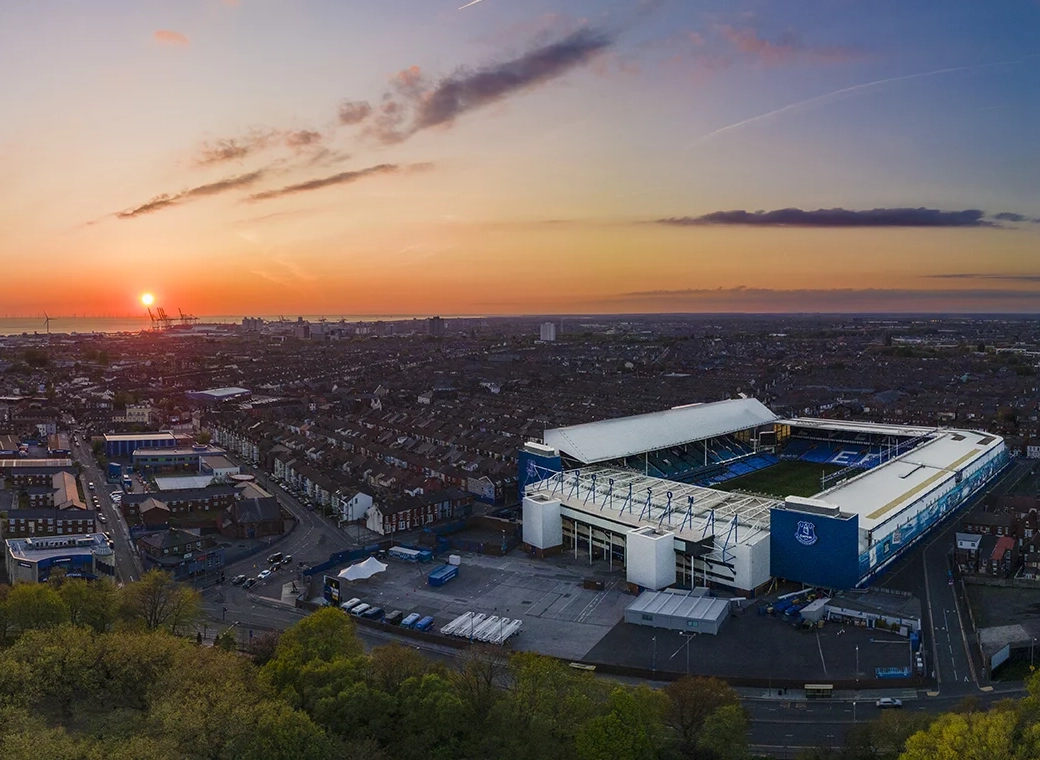
A wonderful, A3 aerial print of Goodison Park.

A special, limited edition 1,000 piece jigsaw of the popular Everton Mishmash – The History Of Everton FC In One Image!

Introducing our Goodison Gang Everton T-Shirt.

Our newest Everton T-Shirt.

Everton champions, legends, and long-time servants assembled together in one squad photo!


