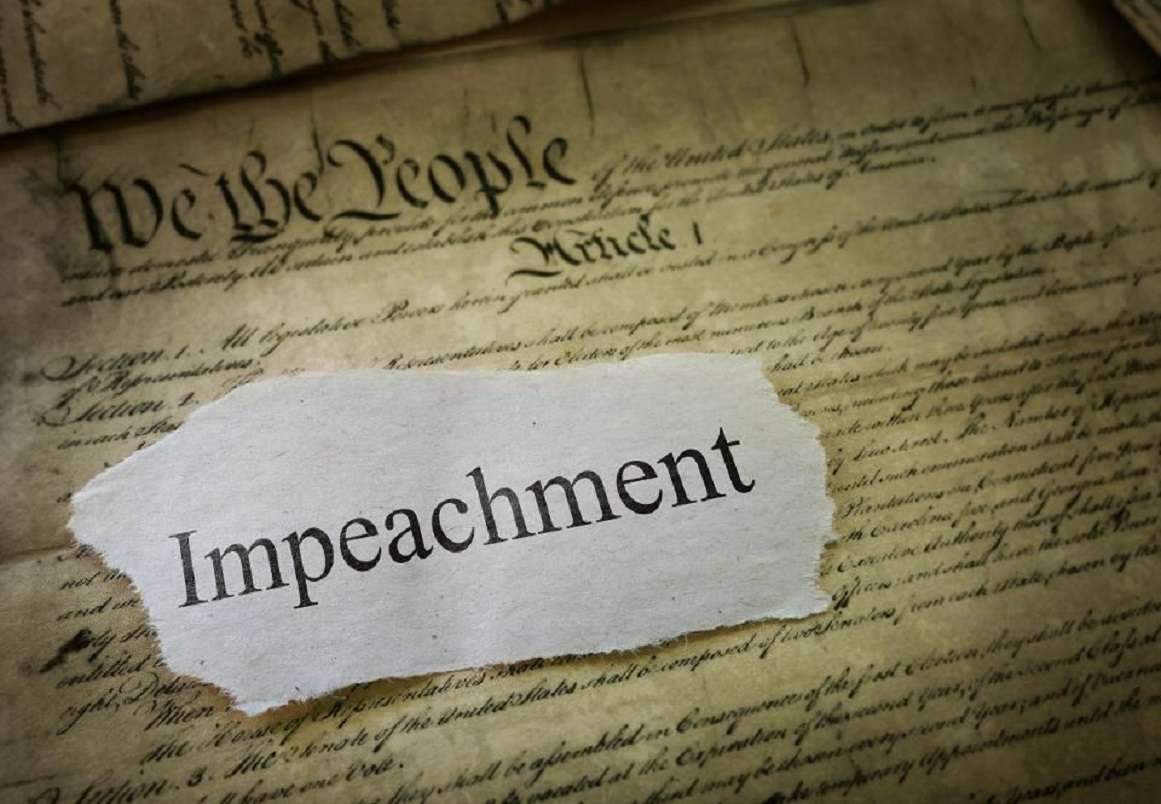
Just as a follow up on legal basis for being able to impeach Trump despite him leaving office, this is an excerpt from amletter written by 170 legal scolars.
The signers include a wide range of constitutional scholars across the political spectrum, including Federalist Society co-founder Steve Calabresi.

reason.com
We take no position on whether the Senate
should convict President Trump on the article of impeachment soon to be transmitted by the House of Representatives.
We differ from one another in our politics, and we also differ from one another on issues of constitutional interpretation. But despite our differences, our carefully considered views of the law lead all of us to agree that the Constitution permits the impeachment, conviction, and disqualification of former officers, including presidents.
Our shared conclusion is supported by the text and structure of the Constitution, the history of its drafting, and relevant precedent. The Constitution allocates the "sole Power of Impeachment" to the House of Representatives, and the "sole Power to try all Impeachments" to the Senate. It provides that the "President, Vice President and all civil Officers of the United States, shall be removed from Office on Impeachment for, and Conviction of, Treason, Bribery, or other high Crimes and Misdemeanors." It further specifies that "Judgment inCases of Impeachment shall not extend further than to removal from Office, and disqualification to hold and enjoy any Office of honor, Trust or Profit under the United States."
In other words, the Constitution's impeachment power has two aspects. The first is removal from office, which occurs automatically upon the conviction of a current officer. The second is disqualification from holding future office, which occurs in those cases where the Senate deems disqualification appropriate in light of the conduct for which the impeached person was convicted. The impeachment power must be read so as to give full effect to both aspects of this power.
Impeachment is the exclusive constitutional means for removing a president (or other officer) before his or her term expires. But nothing in the provision authorizing impeachment-for-removal limits impeachment to situations where it accomplishes removal from office. Indeed, such a reading would thwart and potentially nullify a vital aspect of the impeachment power: the power of the Senate to impose disqualification from future office as a penalty for conviction.