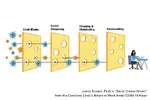
Surely one of the big issues here is how you get more people to actually engage with a tracking system. Financial support is part of it but it doesn't solve everything. Surely the level of engagement is as big an issue as the actual system. They need to fix both issues.
It's meeting unmet need.
Politically we need to understand needs and address them. Put resources before restriction. Lockdown shouldn't be the strategy - it should be a last resort intervention.
Public health planning, like any commissioning for health services, should never develop strategy and interventions in isolation.
What are the pressures for people?
Telling someone to isolate when they may lose their livelihood/home - you force people to make the decision.
Blaming sections of society for spreading when they've been forced into that circumstance - they will ignore you and lead to a breakdown of compliance and community cohesion.
Only focus on extreme examples of interventions - you lose your empirical advantage and succumb to populist ideas or cycle of lockdown.
Letting rip in society - you increase deaths and leave long lasting health problems and financial problems (which are overlooked).
We need much more focus on:
Speedy test and trace and resources to enable isolation for everyone.
An understanding of community preferences - it assists with compliance, reduces stigma and assists with messaging.
What the optimal delivery for messages is - how and why are the messages landing (or not).
Resource for adaptation of facilities and communities.