John from Bootle
Player Valuation: £25m
There are no recorded cases of someone being born blind and also being schizophrenic.
Weird, because all newborns are a bit schizo. Cranky little barstewards.
There are no recorded cases of someone being born blind and also being schizophrenic.

Take it you’re not the Baptist then, John? lolWeird, because all newborns are a bit schizo. Cranky little barstewards.

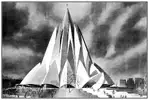
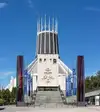
I love the catholic cathedral as it is but that runner up design is so off the charts, I'd have given myself over to the Lord without a second thought.Most of us know that The Metropolitan Cathedral of Christ the King was designed by Sir Frederick Gibberd, but not many people have seen the runner-up in the competition that Sir Frederick won.
The competition to design a new Catholic cathedral for Liverpool was held in 1959 and had strict rules that needed to be followed for the entries; the new building would have to relate to the existing Crypt, be capable of construction within five years and cost no more than £1 million for the construction of its shell.
There were 299 entries to the design competition and it was won, of course, by Gibberd. The runner-up design was by C.H.R. Bailey and only just lost.
View attachment 347796
View attachment 347797










 This striking obelisk is a permanent tribute to the "Men of '67" and the deep-rooted connection between Liverpool’s Irish community and the struggle for independence.


Join the Everton conversation today.
Fewer ads, full access, completely free.