In 1981 at Gleneagles, Sir Terry Wogan sank, what was at the time, the world's longest ever televised putt.

The discovery of some of the ransom money would suggest this isn't true, unless they threw it out.There is a theory he never existed and it was a ploy that the crew were all in on to swipe the money.
Who finds a small (?) bundle of cash on a river bank and turns it in?The discovery of some of the ransom money would suggest this isn't true, unless they threw it out.

The discovery of some of the ransom money would suggest this isn't true, unless they threw it out.
It’s just an odd oneWho finds a small (?) bundle of cash on a river bank and turns it in?



Or, maybe not.From 1558 until 1829, Roman Catholics in England were not permitted to practice their faith openly. Someone during that era wrote this carol as a catechism song for young Catholics.
It has two levels of meaning: the surface meaning plus a hidden meaning known only to members of their church. Each element in the carol has a code word for a religious reality which the children could remember.
-The partridge in a pear tree was Jesus Christ.
-Two turtle doves were the Old and New Testaments.
-Three French hens stood for faith, hope and love.
-The four calling birds were the four gospels of Matthew, Mark, Luke & John.
-The five golden rings recalled the Torah or Law, the first five books of the Old Testament.
-The six geese a-laying stood for the six days of creation.
-Seven swans a-swimming represented the sevenfold gifts of the Holy Spirit— Prophesy, Serving, Teaching, Exhortation, Contribution, Leadership, and Mercy.
-The eight maids a-milking were the eight beatitudes.
-Nine ladies dancing were the nine fruits of the Holy Spirit--Love, Joy, Peace,vPatience, Kindness, Goodness, Faithfulness, Gentleness, and Self Control.
-The ten lords a-leaping were the ten commandments.
-The eleven pipers piping stood for the eleven faithful disciples.
-The twelve drummers drumming symbolized the twelve points of belief in the Apostles' Creed.
View attachment 337761


The Deck of Cards - Tex Ritter (and Wink Martindale in the 60s)From 1558 until 1829, Roman Catholics in England were not permitted to practice their faith openly. Someone during that era wrote this carol as a catechism song for young Catholics.
It has two levels of meaning: the surface meaning plus a hidden meaning known only to members of their church. Each element in the carol has a code word for a religious reality which the children could remember.
-The partridge in a pear tree was Jesus Christ.
-Two turtle doves were the Old and New Testaments.
-Three French hens stood for faith, hope and love.
-The four calling birds were the four gospels of Matthew, Mark, Luke & John.
-The five golden rings recalled the Torah or Law, the first five books of the Old Testament.
-The six geese a-laying stood for the six days of creation.
-Seven swans a-swimming represented the sevenfold gifts of the Holy Spirit— Prophesy, Serving, Teaching, Exhortation, Contribution, Leadership, and Mercy.
-The eight maids a-milking were the eight beatitudes.
-Nine ladies dancing were the nine fruits of the Holy Spirit--Love, Joy, Peace,vPatience, Kindness, Goodness, Faithfulness, Gentleness, and Self Control.
-The ten lords a-leaping were the ten commandments.
-The eleven pipers piping stood for the eleven faithful disciples.
-The twelve drummers drumming symbolized the twelve points of belief in the Apostles' Creed.
View attachment 337761
Throwing out a small amount gives credence to the parachuting hijacker story, making the cabin crew look less suspicious.The discovery of some of the ransom money would suggest this isn't true, unless they threw it out.
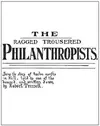
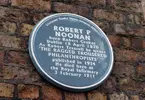
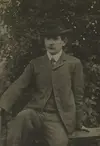

The best book ever @Eggs
I first read it in the late 60s and have read it probably at least a dozen times since then.
It is the only book that I have ever read more than once.
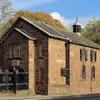
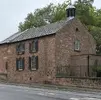

A perfect link to the Echo witch hunt thread - proto kopites started it all.Did you know the man who started the Salem Witch Trials was from Liverpool’s Ancient Chapel of Toxteth?
The first minister, Richard Mather, emigrated to America, and his son and grandson became key figures in the notorious trials. The Salem Witch Trials (1692–1693) were a period of mass panic in Massachusetts where people were falsely accused of witchcraft.
• The Cause: Young girls claimed to be possessed, sparking a “witch hunt.”
• The Trials: The court used “spectral evidence” (dreams/visions) to convict people.
• The Toll: 20 people were executed and over 150 were jailed.
• The Link: Samuel Parris, the minister who started it all, lived and preached in Toxteth before moving to Salem.
View attachment 338279
View attachment 338280
Not sure where or how this story has come to be spun but Richard Mather wasn't involved in the witch trials at all, as he died in 1669 - the trials began in 1692. He was from the Wirral area and preached in Toxteth for 16-17 years before emigrating. The Mathers who were linked most closely to the trials were his son, Increase Mather who was born four years after they arrived in America and Increase's son, Cotton Mather...Did you know the man who started the Salem Witch Trials was from Liverpool’s Ancient Chapel of Toxteth?
The first minister, Richard Mather, emigrated to America, and his son and grandson became key figures in the notorious trials. The Salem Witch Trials (1692–1693) were a period of mass panic in Massachusetts where people were falsely accused of witchcraft.
• The Cause: Young girls claimed to be possessed, sparking a “witch hunt.”
• The Trials: The court used “spectral evidence” (dreams/visions) to convict people.
• The Toll: 20 people were executed and over 150 were jailed.
• The Link: Samuel Parris, the minister who started it all, lived and preached in Toxteth before moving to Salem.
View attachment 338279
View attachment 338280
Join the Everton conversation today.
Fewer ads, full access, completely free.