There's little that a human exclusively 'needs'. You don't
need a kettle/coffee machine because you don't
need a cup of tea/coffee - after all, every cup harms the planet, so by your logic we should go without, or an entire street should share a kettle.
Meanwhile, back in the real world, people do 'need' to own cars for a myriad of circumstances. For example, a journey by car to work or one that would otherwise add three or four hours commute time every day by taking six buses/trains. Sure, it's still possible, but it isn't plausible.
It's all a nonsense anyway. Personal 'carbon footprints' are worthless as a consideration, because personal impact is negligible -
little known fact that the term 'carbon footprint' was actually a BP marketing stunt to place blame on consumers rather than oil businesses for the environmental impact.
There's no getting away from the fact the issues can't be addressed by sitting on a motorway and annoying private citizens in the UK.
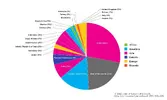
View attachment 139513
This is the elephant in the room - emissions by country. China and India specifically negate everything and anything we do. The developing world is the issue. And as developed nations who have went through an industrial era, we can't sit back and say "right, we're pulling up the drawbridge, you can't do what we did". These country rely on fossil fuel emissions for their economy, it is what it is, and we're 100 years away from that changing to any substantial degree.
So at some point there has to come an element of realism about the situation we're in - climate change can't be stopped; the effects of it can merely be mitigated.
To keep on pretending otherwise is a form of mass psychological denial. It's like trying to stop a hurricane happening instead of spending that time putting together better defences against it.


 I'm not a motorhead lol