

You are using an out of date browser. It may not display this or other websites correctly.
You should upgrade or use an alternative browser.
You should upgrade or use an alternative browser.
Curious maps.
- Thread starter NeilMorepies
- Start date

Cornwallians are horrible!! Cut them adrift I say!!Decent map, except both bottom corners should be Southern evil

Hmmm…something is not right here. Why are there no lighthouses in the interior of Ireland?!?
I’m just asking questions…

Hmmm…something is not right here. Why are there no lighthouses in the interior of Ireland?!?
I’m just asking questions…


NeilMorepies
Player Valuation: £40m


I didn't know Wigan was in Scotland.

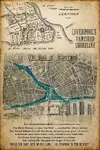
Liverpool began as just seven streets… and a muddy creek. 

This fascinating conjectural map shows what Liverpool may have looked like around 1207, when King John granted the town its royal charter and officially created the borough of Liverpool.
There are no surviving maps from the time, so historians reconstructed this layout using medieval land records, deeds, and later documents. What it reveals is incredible…
Liverpool was tiny.
The original town was basically a small planned settlement squeezed between the River Mersey and a tidal creek known simply as “The Pool” — the feature that eventually gave Liverpool its name. That creek later became the site of the Old Dock in 1715, often recognised as the world’s first commercial wet dock.
The map also shows Liverpool’s famous original seven streets, many of which still exist today:
• Castle Street
• Dale Street
• Chapel Street
• Water Street (then Bank Street)
• High Street (then Juggler Street)
• Tithebarn Street (then Moor Street)
• Old Hall Street (then Whiteacre Street)
Everything beyond that was largely fields, heathland, marsh, woodland, and scattered farms.
A few brilliant details stand out:
 Liverpool Castle appears at the bottom of Castle Street — though it was actually built a little later in the 13th century.
Toxteth Park is shown as a royal hunting forest created by King John.
Huge areas south of the town are labelled “The Waste or Esmeduna Moss” — marshland and mosses that once dominated the landscape around modern Liverpool.
Everton was still a separate rural settlement, with “Everton Beacon” marked on the hill.
What’s amazing is that if you walk through the city centre today, you are still largely following the street plan laid out over 800 years ago.
Liverpool may have become one of the world’s great ports… but it started as a tiny medieval borough with seven streets and a muddy pool.
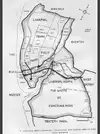
This fascinating conjectural map shows what Liverpool may have looked like around 1207, when King John granted the town its royal charter and officially created the borough of Liverpool.
There are no surviving maps from the time, so historians reconstructed this layout using medieval land records, deeds, and later documents. What it reveals is incredible…
Liverpool was tiny.
The original town was basically a small planned settlement squeezed between the River Mersey and a tidal creek known simply as “The Pool” — the feature that eventually gave Liverpool its name. That creek later became the site of the Old Dock in 1715, often recognised as the world’s first commercial wet dock.
The map also shows Liverpool’s famous original seven streets, many of which still exist today:
• Castle Street
• Dale Street
• Chapel Street
• Water Street (then Bank Street)
• High Street (then Juggler Street)
• Tithebarn Street (then Moor Street)
• Old Hall Street (then Whiteacre Street)
Everything beyond that was largely fields, heathland, marsh, woodland, and scattered farms.
A few brilliant details stand out:
Liverpool Castle appears at the bottom of Castle Street — though it was actually built a little later in the 13th century. Toxteth Park is shown as a royal hunting forest created by King John. Huge areas south of the town are labelled “The Waste or Esmeduna Moss” — marshland and mosses that once dominated the landscape around modern Liverpool. Everton was still a separate rural settlement, with “Everton Beacon” marked on the hill.What’s amazing is that if you walk through the city centre today, you are still largely following the street plan laid out over 800 years ago.
Liverpool may have become one of the world’s great ports… but it started as a tiny medieval borough with seven streets and a muddy pool.

Tommy Chong
Player Valuation: £70m
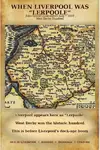
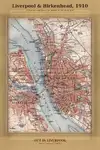
I thought this one was interesting…
Taifi gorm
Player Valuation: £35m
Nearly 9 hours and no-one has remarked at how little the Wirral has changed. Standards are slipping.
Nearly 9 hours and no-one has remarked at how little the Wirral has changed. Standards are slipping.
…tbf, I only posted it 50mins ago

Welcome
Join the Everton conversation today.
Fewer ads, full access, completely free.