
You are using an out of date browser. It may not display this or other websites correctly.
You should upgrade or use an alternative browser.
You should upgrade or use an alternative browser.
There but for the grace of God
- Thread starter GrandOldTeam
- Start date
- Status
- Not open for further replies.


Good to hear your safe and sound mate, we are really are lost at dealing with winter weather in this part of the world, i livid in New York for a bit where the snow is well worse all roads gritted and paths safe - it really cant be that difficult.
D
Deleted member 28206
Guest
Why do people drive like utter KNOBHEADS when the roads are treachorous? Had someone hanging behid me today on the M57 weaving out of the lane to overtake me and then undertake me? Whyyyyyyyy?

Bloody hell- glad you are ok mate.

Thanks all. The crazy thing was, if you look at the picture, the conditions dont look at all bad. I've done that drive literally hundreds of times, almost daily - I'd have approached it the same 100/100.
I only had a service the other day - was told tyres are 7/7. Apparently that means perfect condition? - just as well really!
Without getting to scientificy.....all-season tires, in cold conditions become hard and give up lots of their fair-weather traction. Winter tires are made of a different rubber compound that stays soft and supple at sub-freezing temperatures. This allows them to retain their traction properties in cold weather.
And how does a winter tire without studs do well on ice?? Well, the answer is in the rubber compound. If you looked at it under a microscope, it would resemble swiss cheese (although, out of rubber, not cheese
 ). This, couple with the malleability of the rubber, allows air to get trapped in these 'sipes' as they are known. As the weight of the vehicle rolls the trapped air gets compressed, causing the air to get super-heated (a side-effect of compressing air really quickly) and it melts the top layer of the ice, thus giving the tires extra purchase. You can actually see the ice refreeze as the car rolls over it and passes by.
All-season tires are bad, bad, bad. Gives you a false sense of security. Summer tires far exceed dry and wet weather traction in 40degrees F + weather, and winter tires do the same 40 degrees F and below. They are a compromise. Remember, for all a cars fancy suspensions and brakes, they only utilize the only part of the car to make contact with the road. If you scrimp and save on things on your car, don't let the tires fall victim.


Matt Damon
Player Valuation: £60m
Thanks all. The crazy thing was, if you look at the picture, the conditions dont look at all bad. I've done that drive literally hundreds of times, almost daily - I'd have approached it the same 100/100.
I only had a service the other day - was told tyres are 7/7. Apparently that means perfect condition? - just as well really!
It don't matter mate. On black ice a milimeters thick layer of water means no tire can get traction.
Only if you were in a main-battle tank with tracks would you of been ok.
Just slow it down mate.
I'm on the lanes at the minute doing 20/30.
Came to a junction yesterday put the break down and just kept going.
Thats how it is. We've all just become used to mild winters in this country.
This is normal British winter weather really.
Going back a couple of hundred years anyway.
The Thames used to reguarly freeze over ffs!

You could walk to France in 1976 mate.
Matt Damon
Player Valuation: £60m
The history of British wintersYou could walk to France in 1976 mate.
http://www.netweather.tv/index.cgi?action=other;type=winthist;sess=
1878-79: Another snowy one! In the north, snow cover remained for 3 months! Snow recorded in November, December, January, February, March and April! Very snowy
The history of British winters
http://www.netweather.tv/index.cgi?action=other;type=winthist;sess=
1878-79: Another snowy one! In the north, snow cover remained for 3 months! Snow recorded in November, December, January, February, March and April! Very snowy
I love snow, it's quite super.
I love snow, it's quite super.
Not had any down here in sunny Devon:


bluebloodinmyveins
Player Valuation: £60m
Glad you're ok mate. That could so easy have been far worse.

Jamo Martinez
Player Valuation: £70m
Happy to see you posting that Danny. Keep safe kids

- Status
- Not open for further replies.
Shop
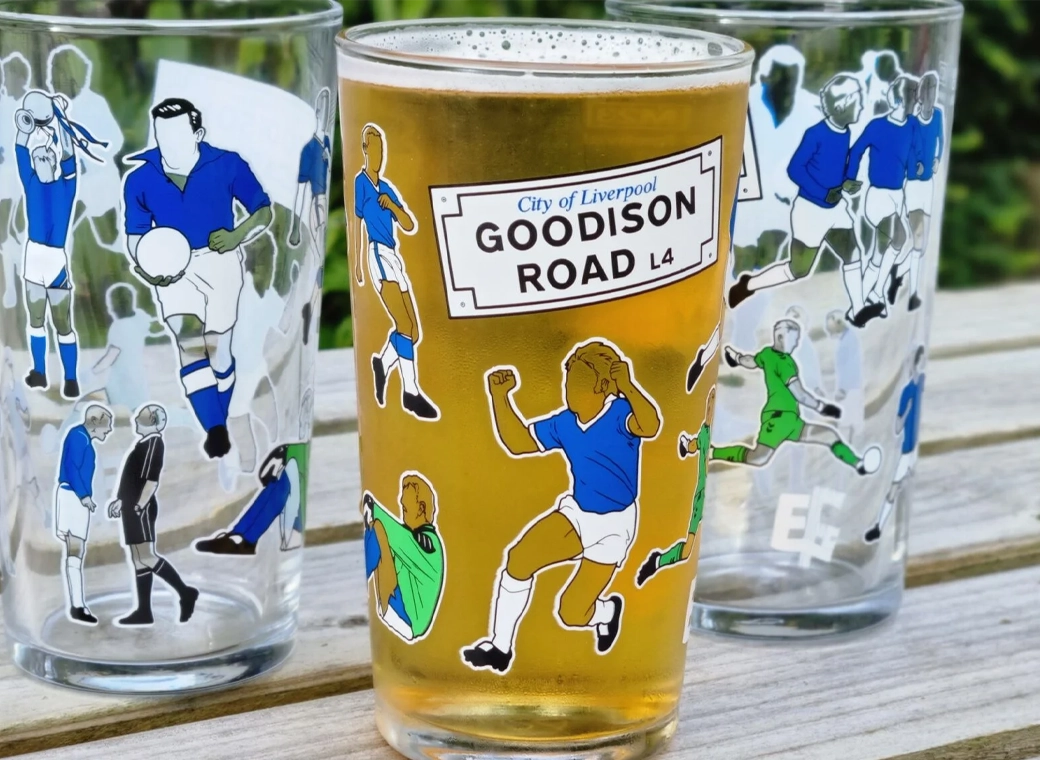
Everton Pint Glass
Our exclusive Everton pint glasses are a true collector’s item that pays homage to Goodison Park through iconic players who have graced the pitch over different generations.

Everton Mishmash
The history of Everton FC in one image! “The best Everton thing I’ve ever got!”
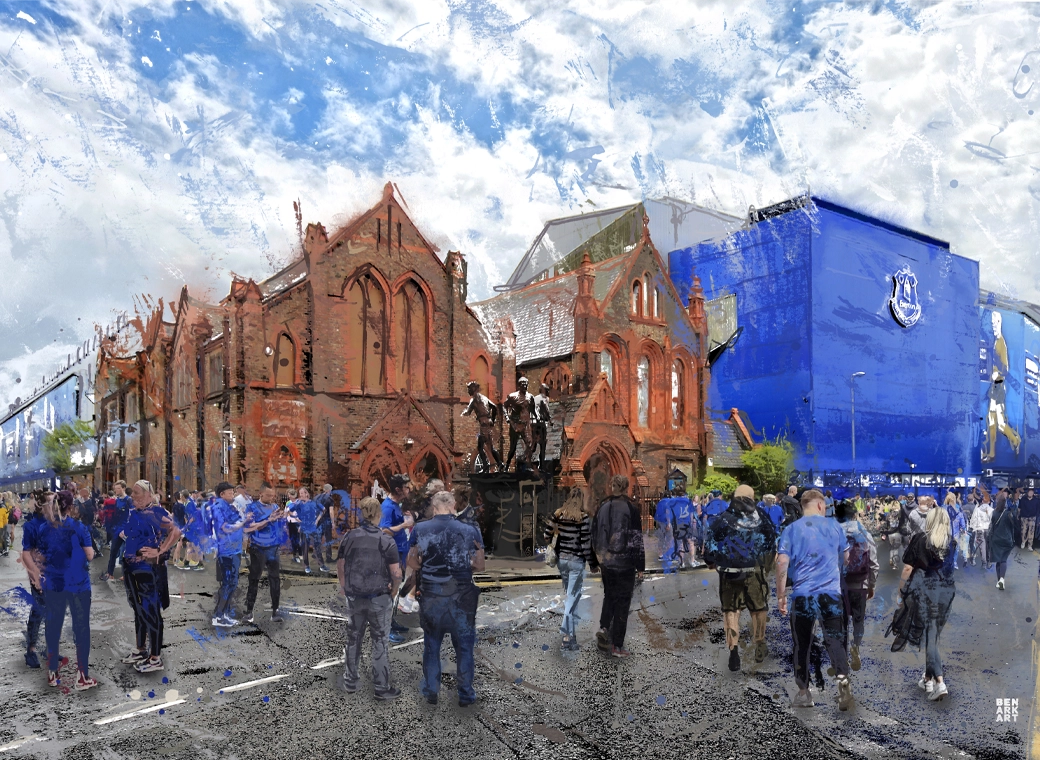
Goodison Park - Blue Skies
A truly, wonderful piece which brings memories of visits to Goodison Park alive.

Goodison Park - Under The Lights
This print wonderfully encapsulates the magic of the ‘Goodison Under The Lights’.
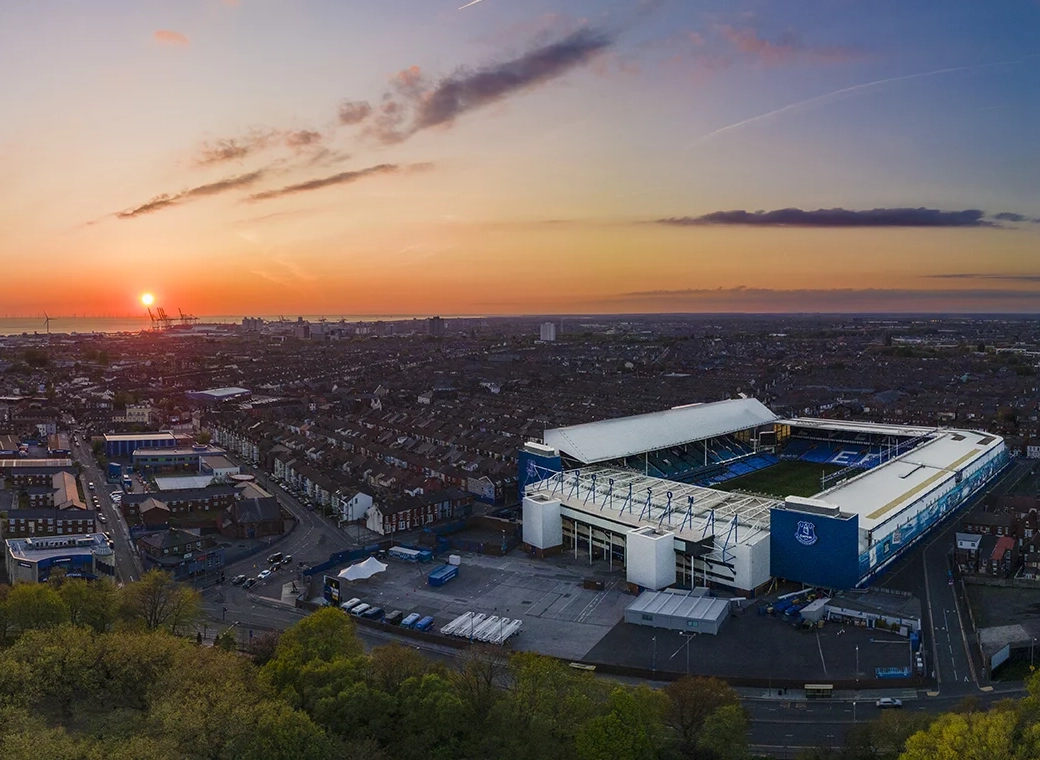
Goodison Park - Sunset
A wonderful, A3 aerial print of Goodison Park.

Everton Jigsaw
A special, limited edition 1,000 piece jigsaw of the popular Everton Mishmash – The History Of Everton FC In One Image!

Goodison Gang T-Shirt
Introducing our Goodison Gang Everton T-Shirt.

Grand Old Team T-Shirt
Our newest Everton T-Shirt.

Legends of Goodison Park
Everton champions, legends, and long-time servants assembled together in one squad photo!