

gonetomorrow
Player Valuation: £70m
Sorry to hear that. How frustrating.
I hope you can get it sorted.
I hope you can get it sorted.


These are good points. Obviously if the board is rotten it indicates a more serious case of damp or the above has been going on for years.
But opening up the house, hiring a dehumidifier + replacing bad skirting board may have been enough to let it pass.


Quite honestly, I have no confidence in surveyors. They turn up, do a quick look around and if they miss anything they are protected by a mound of small print that stops any recourse.
The last three major purchases I made (2 houses and a boat) I didn't bother with the expense of a surveyor. What I mean is, you have eyes too. Look yourself, if you disagree (it's just a way of getting a paid professional to pursuade you to reduce the price) just say no and await another buyer. You do not have to sell for 50k less. The next buyer might not have paid their surveyor as much!
This is all true unless your house is a swamp, in which case you ought to really fix it.
With sawdust.


I've been buying and selling houses full time for the last 17 years and in my experience plenty of good advice already but to sum up, there is no such thing as rising damp, most surveyors don't know there a@se from their elbow, they just fill forms in, they use a "damp" meter on walls that's for reading moisture content in wood thats not accurate anyway, water does not climb up walls! modern plaster will retain moisture from the air if there is not enough heat and ventilation, i've had loads of very "damp" walls and when you knock all plaster off the brickwork behind is bone dry, without seeing photos the easiest way would be to knock off plaster and either render/plaster or plasterboard/plaster, DON'T pay someone to inject the walls, the whole damp industry is a big con.


#I had this about 10 years ago on the party wall (semi-detached house). I got a specialist damp-proofing and wall tie company in to do it. They removed the plaster on the whole wall up to about 3 foot from the floor, put in damproofing by injection, and replastered. Took 2 days and cost £600.
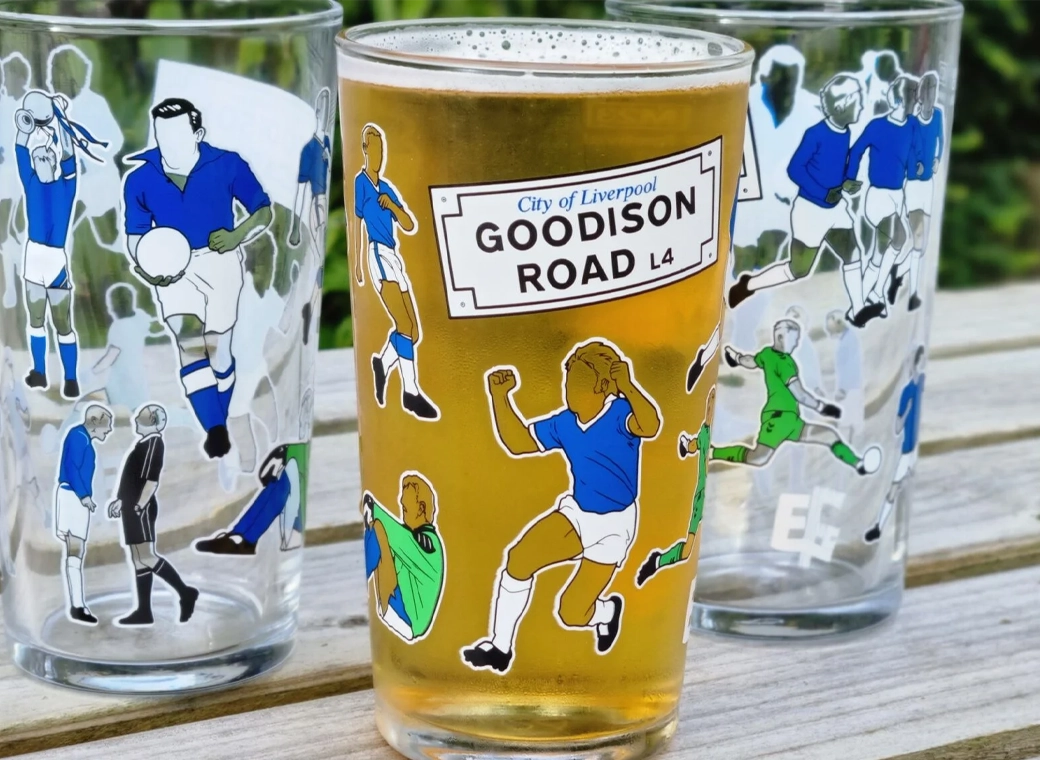
Our exclusive Everton pint glasses are a true collector’s item that pays homage to Goodison Park through iconic players who have graced the pitch over different generations.
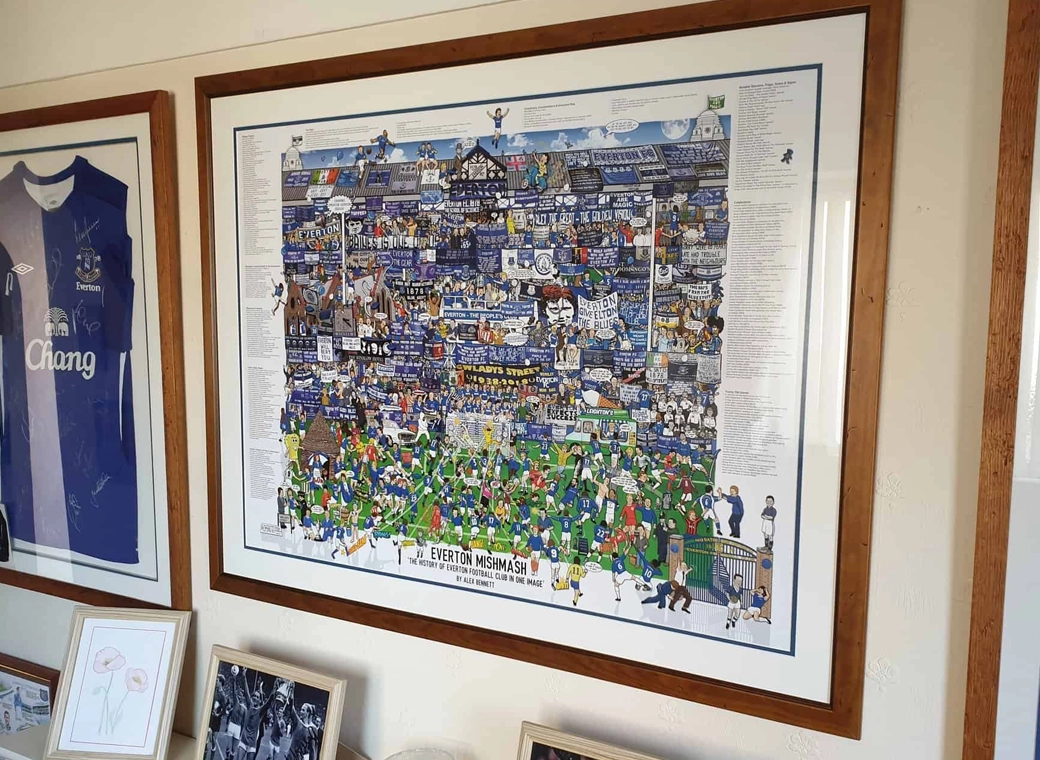
The history of Everton FC in one image! “The best Everton thing I’ve ever got!”
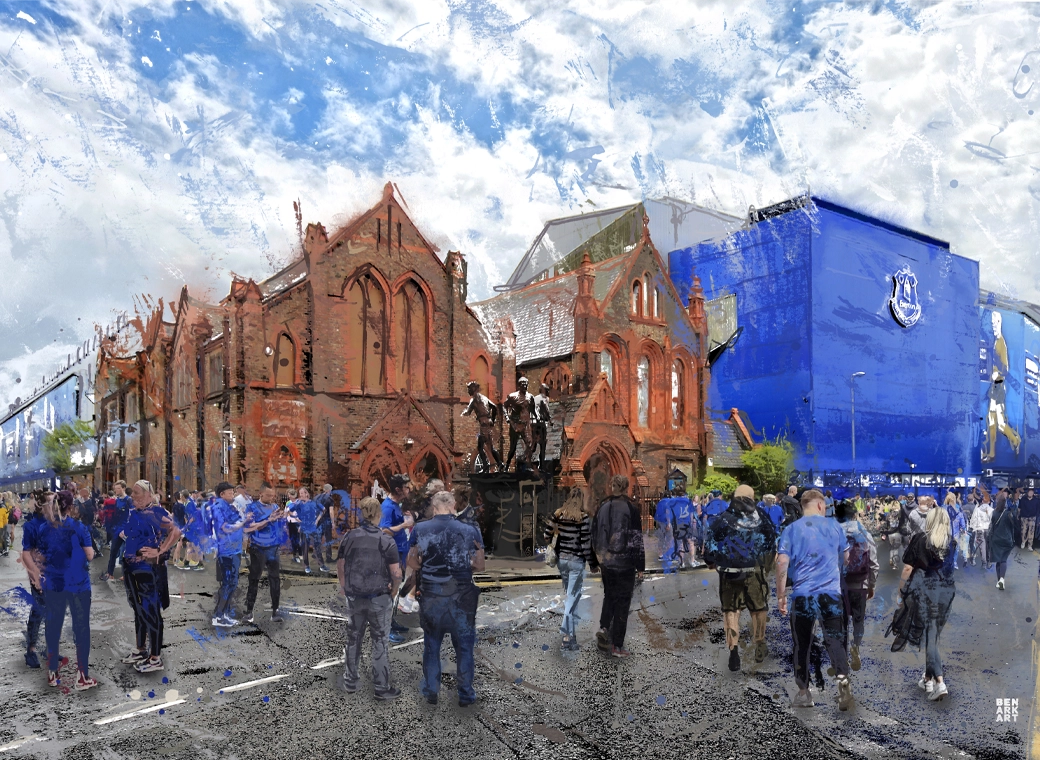
A truly, wonderful piece which brings memories of visits to Goodison Park alive.
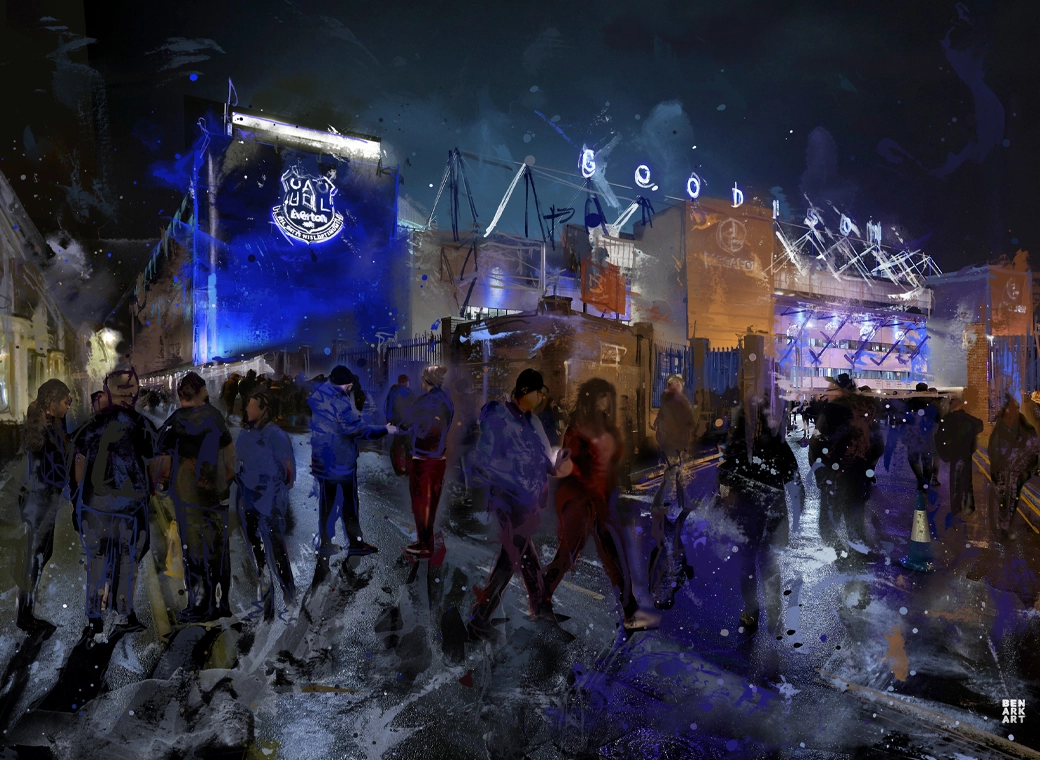
This print wonderfully encapsulates the magic of the ‘Goodison Under The Lights’.
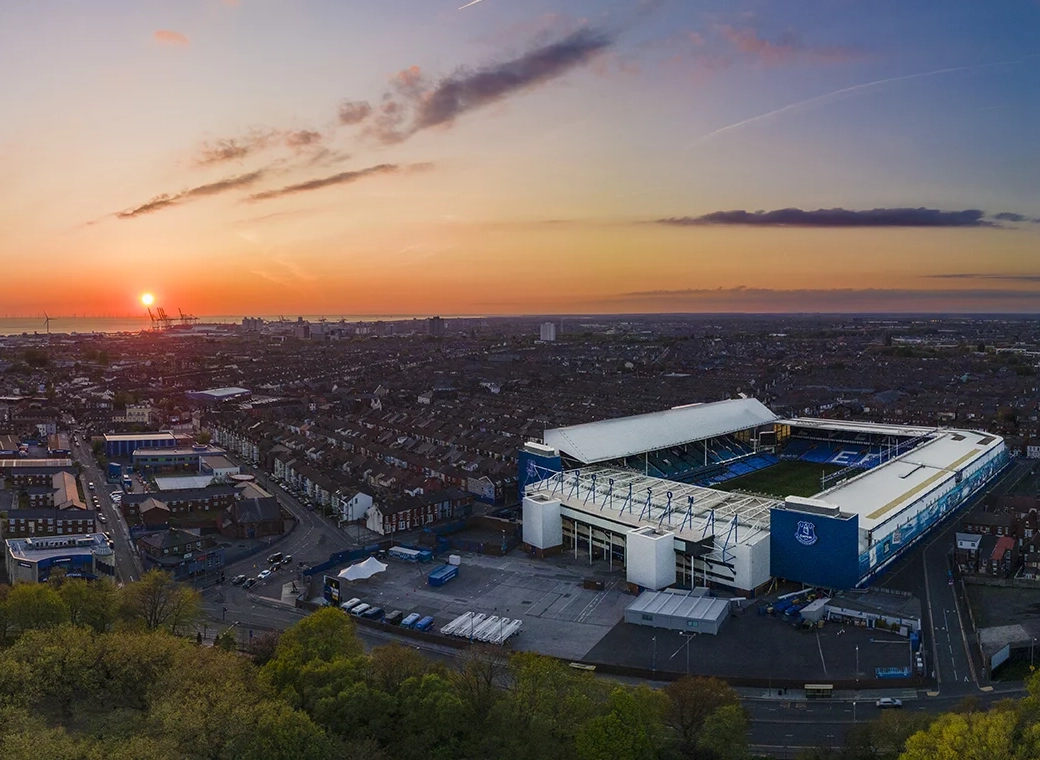
A wonderful, A3 aerial print of Goodison Park.
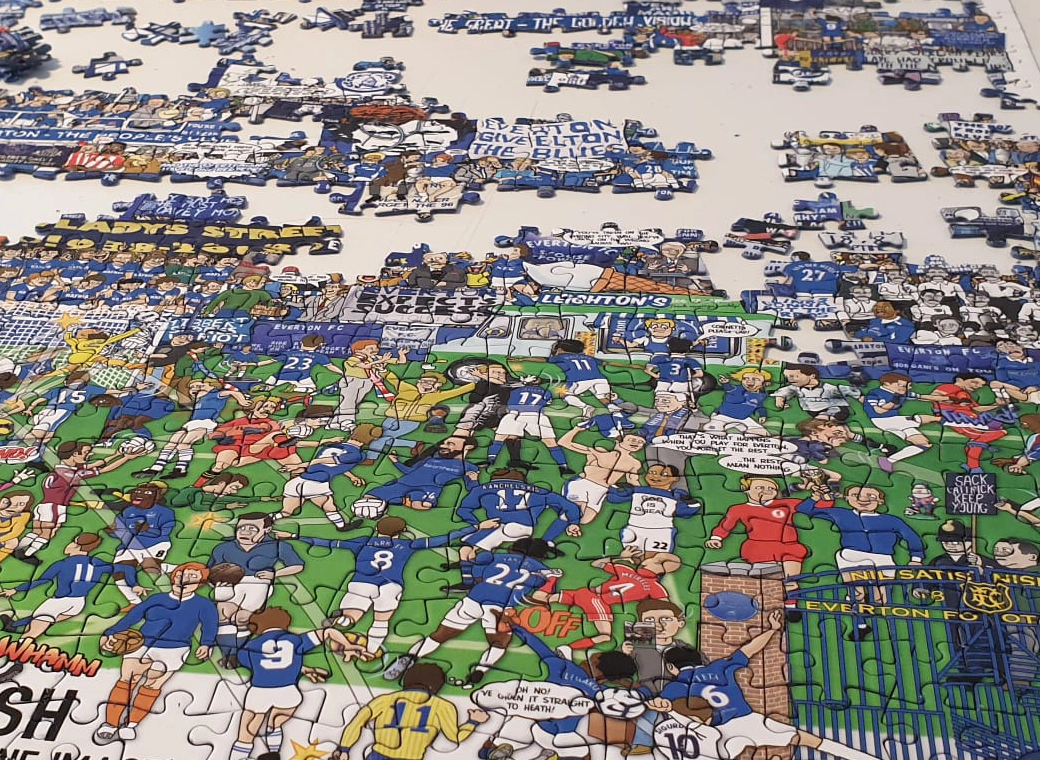
A special, limited edition 1,000 piece jigsaw of the popular Everton Mishmash – The History Of Everton FC In One Image!
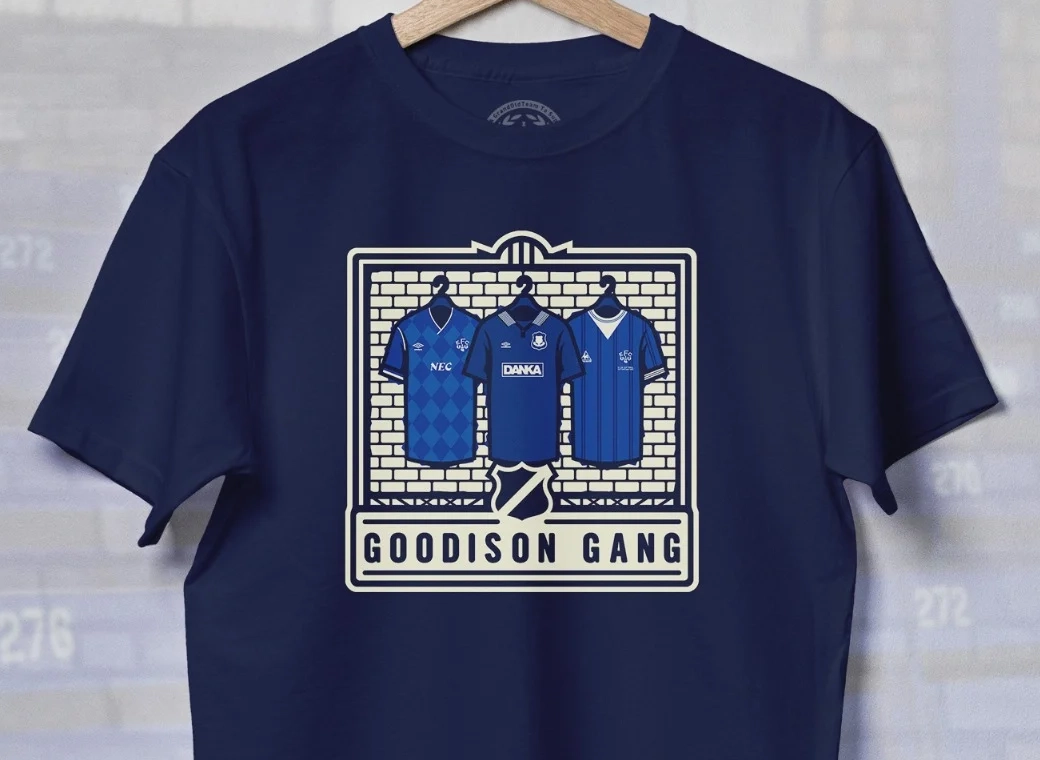
Introducing our Goodison Gang Everton T-Shirt.

Our newest Everton T-Shirt.
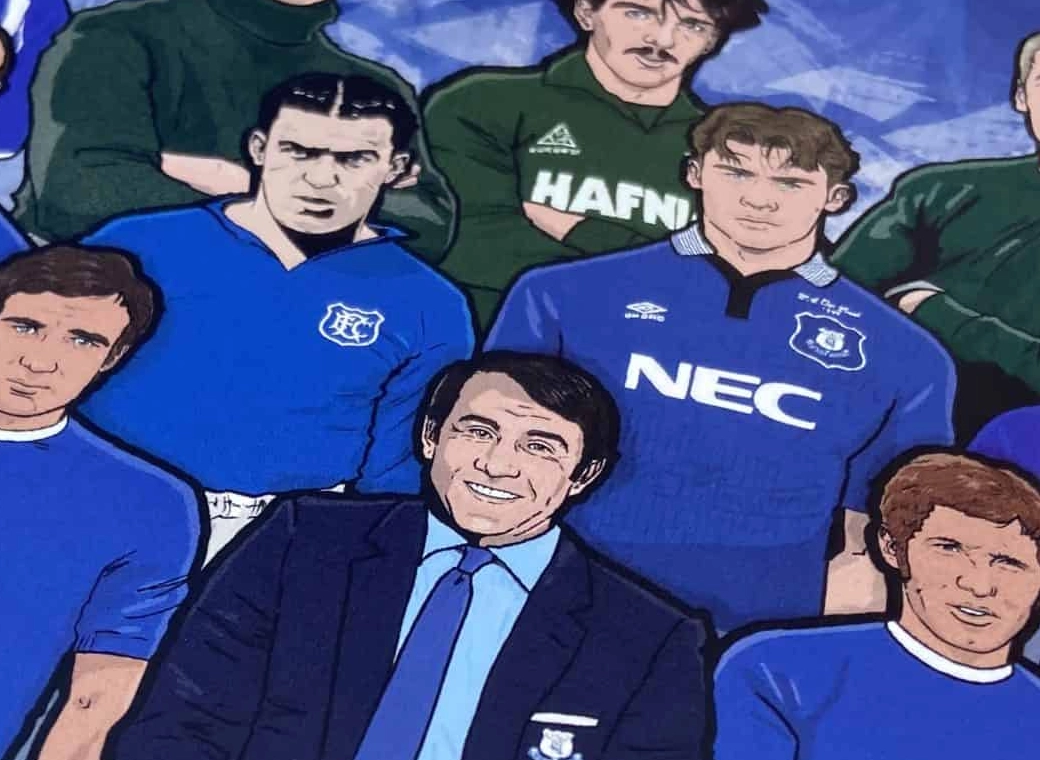
Everton champions, legends, and long-time servants assembled together in one squad photo!

