
-
 Turn On Christmas Radio
Bah humbug - to turn off the snow, visit your preferences and select a style that isn't Christmas.
You are using an out of date browser. It may not display this or other websites correctly.
You should upgrade or use an alternative browser.
You should upgrade or use an alternative browser.
Groucho's Fact Hunt
- Thread starter Groucho
- Start date

The discovery of some of the ransom money would suggest this isn't true, unless they threw it out.There is a theory he never existed and it was a ploy that the crew were all in on to swipe the money.

Rita_Poon
Player Valuation: £100m
Who finds a small (?) bundle of cash on a river bank and turns it in?The discovery of some of the ransom money would suggest this isn't true, unless they threw it out.

The discovery of some of the ransom money would suggest this isn't true, unless they threw it out.
It’s just an odd oneWho finds a small (?) bundle of cash on a river bank and turns it in?

From 1558 until 1829, Roman Catholics in England were not permitted to practice their faith openly. Someone during that era wrote this carol as a catechism song for young Catholics.
It has two levels of meaning: the surface meaning plus a hidden meaning known only to members of their church. Each element in the carol has a code word for a religious reality which the children could remember.
-The partridge in a pear tree was Jesus Christ.
-Two turtle doves were the Old and New Testaments.
-Three French hens stood for faith, hope and love.
-The four calling birds were the four gospels of Matthew, Mark, Luke & John.
-The five golden rings recalled the Torah or Law, the first five books of the Old Testament.
-The six geese a-laying stood for the six days of creation.
-Seven swans a-swimming represented the sevenfold gifts of the Holy Spirit— Prophesy, Serving, Teaching, Exhortation, Contribution, Leadership, and Mercy.
-The eight maids a-milking were the eight beatitudes.
-Nine ladies dancing were the nine fruits of the Holy Spirit--Love, Joy, Peace,vPatience, Kindness, Goodness, Faithfulness, Gentleness, and Self Control.
-The ten lords a-leaping were the ten commandments.
-The eleven pipers piping stood for the eleven faithful disciples.
-The twelve drummers drumming symbolized the twelve points of belief in the Apostles' Creed.
It has two levels of meaning: the surface meaning plus a hidden meaning known only to members of their church. Each element in the carol has a code word for a religious reality which the children could remember.
-The partridge in a pear tree was Jesus Christ.
-Two turtle doves were the Old and New Testaments.
-Three French hens stood for faith, hope and love.
-The four calling birds were the four gospels of Matthew, Mark, Luke & John.
-The five golden rings recalled the Torah or Law, the first five books of the Old Testament.
-The six geese a-laying stood for the six days of creation.
-Seven swans a-swimming represented the sevenfold gifts of the Holy Spirit— Prophesy, Serving, Teaching, Exhortation, Contribution, Leadership, and Mercy.
-The eight maids a-milking were the eight beatitudes.
-Nine ladies dancing were the nine fruits of the Holy Spirit--Love, Joy, Peace,vPatience, Kindness, Goodness, Faithfulness, Gentleness, and Self Control.
-The ten lords a-leaping were the ten commandments.
-The eleven pipers piping stood for the eleven faithful disciples.
-The twelve drummers drumming symbolized the twelve points of belief in the Apostles' Creed.

summerisle
The rain, it raineth every day
Or, maybe not.From 1558 until 1829, Roman Catholics in England were not permitted to practice their faith openly. Someone during that era wrote this carol as a catechism song for young Catholics.
It has two levels of meaning: the surface meaning plus a hidden meaning known only to members of their church. Each element in the carol has a code word for a religious reality which the children could remember.
-The partridge in a pear tree was Jesus Christ.
-Two turtle doves were the Old and New Testaments.
-Three French hens stood for faith, hope and love.
-The four calling birds were the four gospels of Matthew, Mark, Luke & John.
-The five golden rings recalled the Torah or Law, the first five books of the Old Testament.
-The six geese a-laying stood for the six days of creation.
-Seven swans a-swimming represented the sevenfold gifts of the Holy Spirit— Prophesy, Serving, Teaching, Exhortation, Contribution, Leadership, and Mercy.
-The eight maids a-milking were the eight beatitudes.
-Nine ladies dancing were the nine fruits of the Holy Spirit--Love, Joy, Peace,vPatience, Kindness, Goodness, Faithfulness, Gentleness, and Self Control.
-The ten lords a-leaping were the ten commandments.
-The eleven pipers piping stood for the eleven faithful disciples.
-The twelve drummers drumming symbolized the twelve points of belief in the Apostles' Creed.
View attachment 337761

The Twelve Days of Christmas (song) - Wikipedia

The Deck of Cards - Tex Ritter (and Wink Martindale in the 60s)From 1558 until 1829, Roman Catholics in England were not permitted to practice their faith openly. Someone during that era wrote this carol as a catechism song for young Catholics.
It has two levels of meaning: the surface meaning plus a hidden meaning known only to members of their church. Each element in the carol has a code word for a religious reality which the children could remember.
-The partridge in a pear tree was Jesus Christ.
-Two turtle doves were the Old and New Testaments.
-Three French hens stood for faith, hope and love.
-The four calling birds were the four gospels of Matthew, Mark, Luke & John.
-The five golden rings recalled the Torah or Law, the first five books of the Old Testament.
-The six geese a-laying stood for the six days of creation.
-Seven swans a-swimming represented the sevenfold gifts of the Holy Spirit— Prophesy, Serving, Teaching, Exhortation, Contribution, Leadership, and Mercy.
-The eight maids a-milking were the eight beatitudes.
-Nine ladies dancing were the nine fruits of the Holy Spirit--Love, Joy, Peace,vPatience, Kindness, Goodness, Faithfulness, Gentleness, and Self Control.
-The ten lords a-leaping were the ten commandments.
-The eleven pipers piping stood for the eleven faithful disciples.
-The twelve drummers drumming symbolized the twelve points of belief in the Apostles' Creed.
View attachment 337761
...when I look at the ace in my deck of
cards, it reminds me that there is but one God,
And the deuce,
tells me that Bible is divided into
two parts, the old and the new testament...
and so on and so forth
...I know, I was that soldier
Throwing out a small amount gives credence to the parachuting hijacker story, making the cabin crew look less suspicious.The discovery of some of the ransom money would suggest this isn't true, unless they threw it out.
It's a clever move (if they did it)
Aerial view of Walton (Liverpool) prison in 1922.
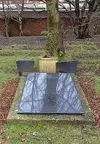
Because this marks the site, ruffly of the final resting place of "Robert Phillipe Noonan" who was born Robert Croker, and best known by the pen name "Robert Tressell", who was an Irish writer best known for his novel "The Ragged-Trousered Philanthropists".
He was buried in an unmarked grave with several other unfortunate souls and his grave was not discovered until 1970 many years after his death in Liverpool Infirmary from Tuberculosis in 1911.
At the time of his death he had decided to emigrate to Canada; however, he only reached Liverpool when he was admitted to the Liverpool Royal Infirmary, where he died of 'phthisis pulmonalis' (i.e. pulmonary tuberculosis) on 3 February 1911, aged 40.
Noonan was buried in a pauper's grave on 10 February 1911 at Liverpool Parochial Cemetery, later known as Walton Park Cemetery. The location of the grave was not rediscovered until 1970. Twelve other people were buried in the same plot. In 1977, local socialists in conjunction with trade unions campaigned for and erected a memorial stone over the plot with the names of all buried there. The plot is no longer used as a cemetery and is now used by Rice Lane City Farm. The site is opposite Walton prison. A nearby road is named Noonan Close.
In 2019, Tressell was commemorated with a march to his graveside led by a brass band.
Tressell never lived to see his book become as famous and as big as it became, as it was released posthumously in 1914 by his daughter "Kathleen Noonan".
The Ragged Trousered Philanthropists has been cited as a factor in the landslide Labour victory in 1945, and even for the election of two non-Labour-endorsed Communist members of Parliament that same year. It has been taught in schools and universities, and adapted for stage, television and radio, and readings have been performed at trade union meetings.

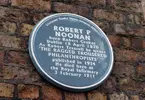
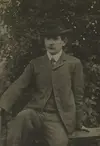
Because this marks the site, ruffly of the final resting place of "Robert Phillipe Noonan" who was born Robert Croker, and best known by the pen name "Robert Tressell", who was an Irish writer best known for his novel "The Ragged-Trousered Philanthropists".
He was buried in an unmarked grave with several other unfortunate souls and his grave was not discovered until 1970 many years after his death in Liverpool Infirmary from Tuberculosis in 1911.
At the time of his death he had decided to emigrate to Canada; however, he only reached Liverpool when he was admitted to the Liverpool Royal Infirmary, where he died of 'phthisis pulmonalis' (i.e. pulmonary tuberculosis) on 3 February 1911, aged 40.
Noonan was buried in a pauper's grave on 10 February 1911 at Liverpool Parochial Cemetery, later known as Walton Park Cemetery. The location of the grave was not rediscovered until 1970. Twelve other people were buried in the same plot. In 1977, local socialists in conjunction with trade unions campaigned for and erected a memorial stone over the plot with the names of all buried there. The plot is no longer used as a cemetery and is now used by Rice Lane City Farm. The site is opposite Walton prison. A nearby road is named Noonan Close.
In 2019, Tressell was commemorated with a march to his graveside led by a brass band.
Tressell never lived to see his book become as famous and as big as it became, as it was released posthumously in 1914 by his daughter "Kathleen Noonan".
The Ragged Trousered Philanthropists has been cited as a factor in the landslide Labour victory in 1945, and even for the election of two non-Labour-endorsed Communist members of Parliament that same year. It has been taught in schools and universities, and adapted for stage, television and radio, and readings have been performed at trade union meetings.

The best book ever @Eggs
I first read it in the late 60s and have read it probably at least a dozen times since then.
It is the only book that I have ever read more than once.
….an old docker mate of mine recommended it many years ago and I finally got around to reading it on holiday last year. I left my copy in the hotel library with a note inside to that old friend who has now passed away.
It’s a harrowing account of life in those times, very interesting Liverpool connections with the author, not least because he died in the old Royal Infirmary building and rests opposite Walton jail.
Last edited:
Shop

Everton Pint Glass
Our exclusive Everton pint glasses are a true collector’s item that pays homage to Goodison Park through iconic players who have graced the pitch over different generations.
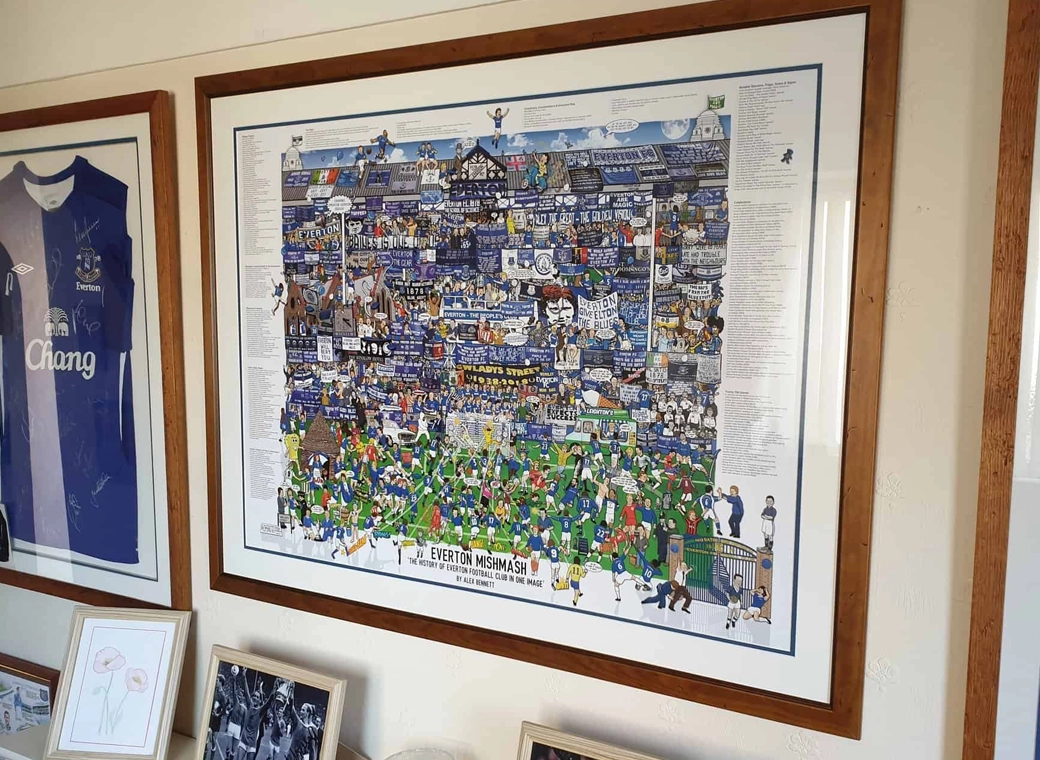
Everton Mishmash
The history of Everton FC in one image! “The best Everton thing I’ve ever got!”
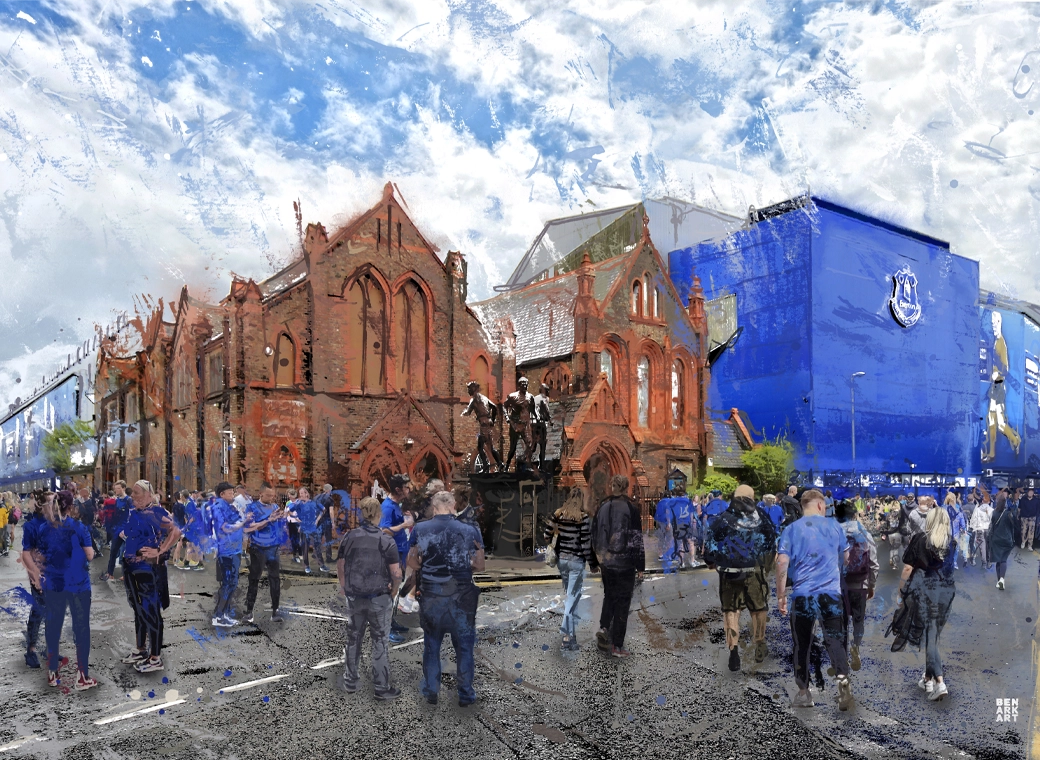
Goodison Park - Blue Skies
A truly, wonderful piece which brings memories of visits to Goodison Park alive.
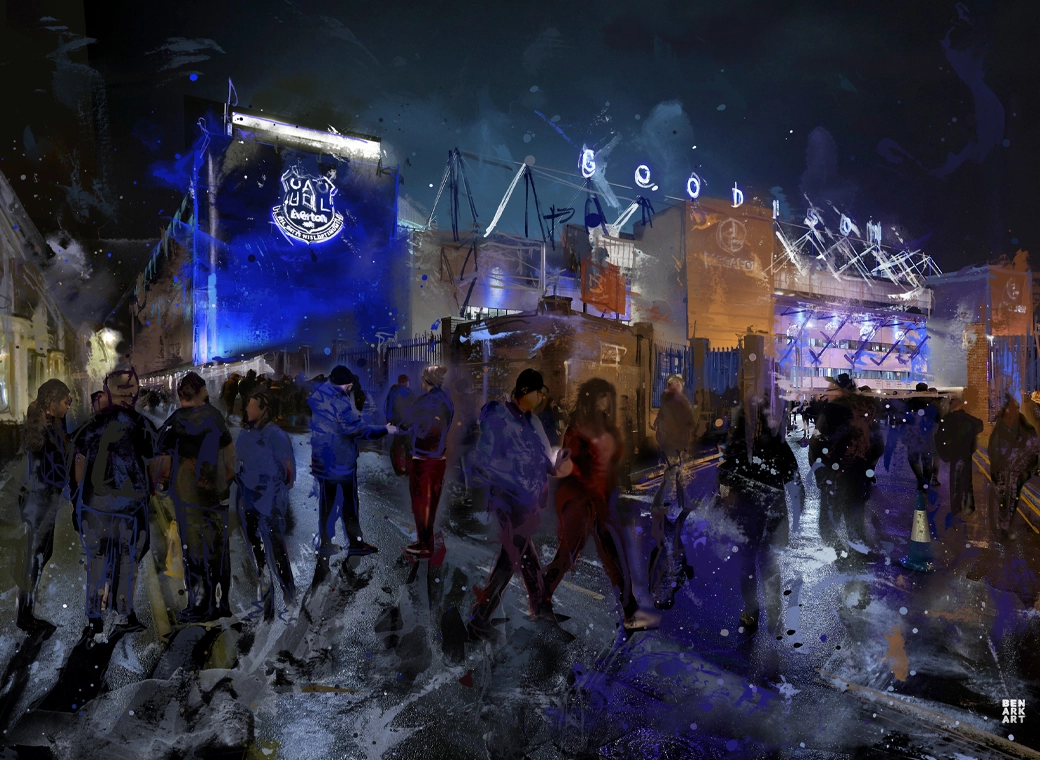
Goodison Park - Under The Lights
This print wonderfully encapsulates the magic of the ‘Goodison Under The Lights’.
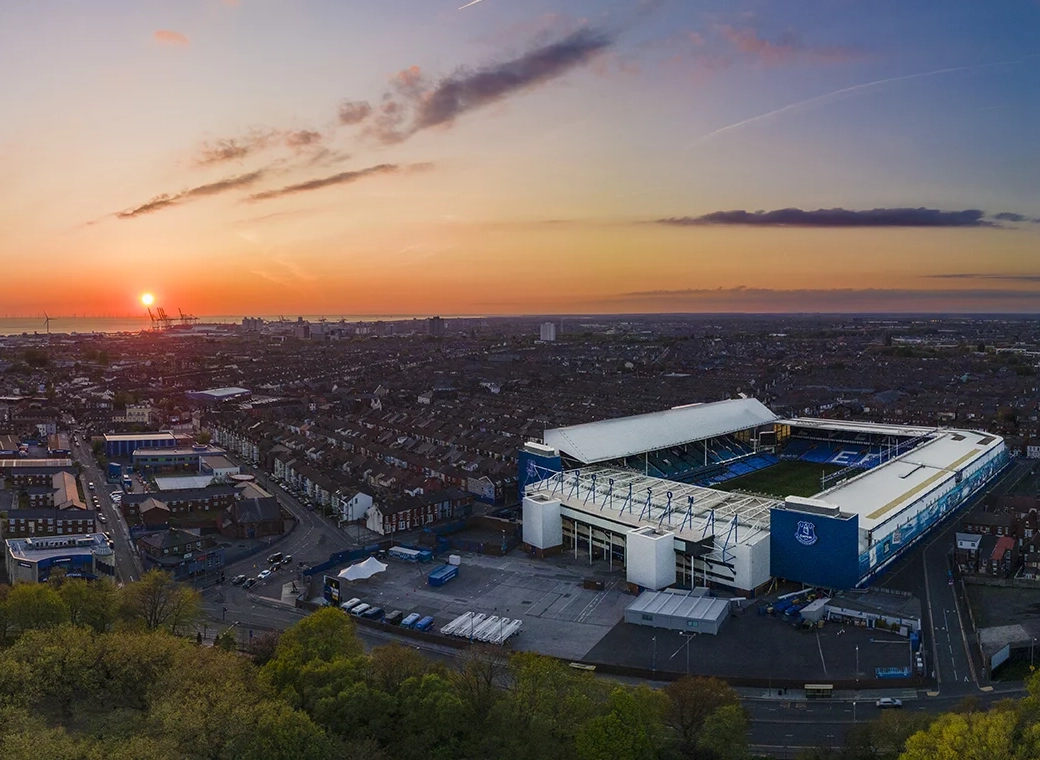
Goodison Park - Sunset
A wonderful, A3 aerial print of Goodison Park.

Everton Jigsaw
A special, limited edition 1,000 piece jigsaw of the popular Everton Mishmash – The History Of Everton FC In One Image!
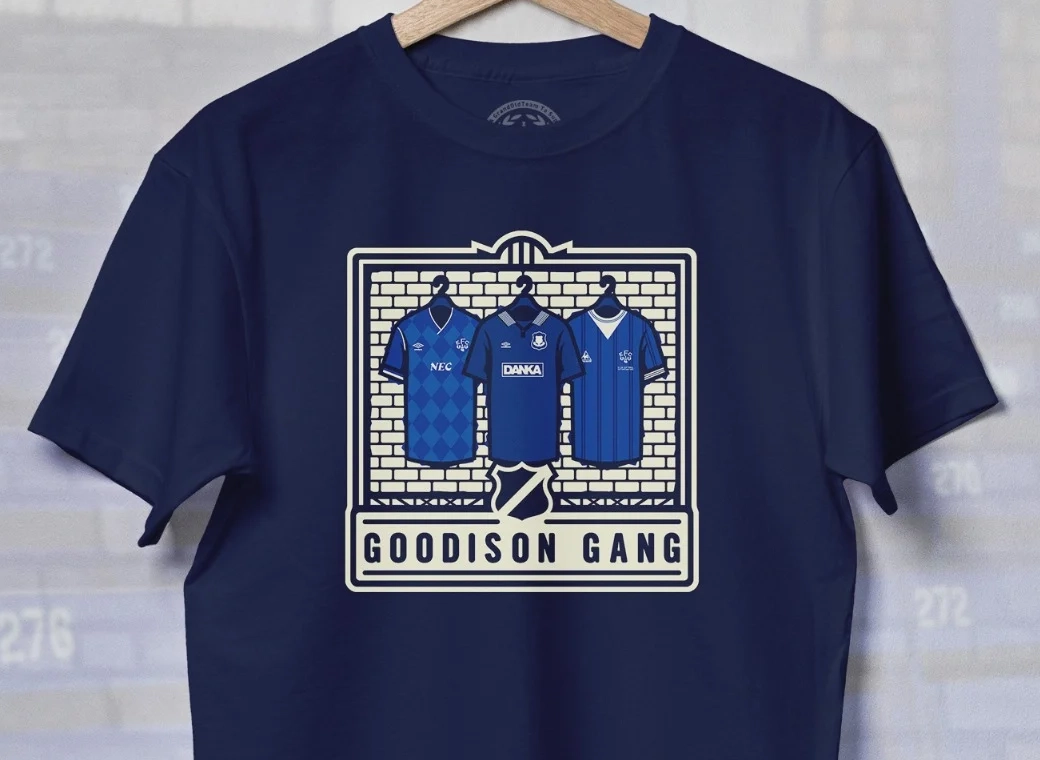
Goodison Gang T-Shirt
Introducing our Goodison Gang Everton T-Shirt.
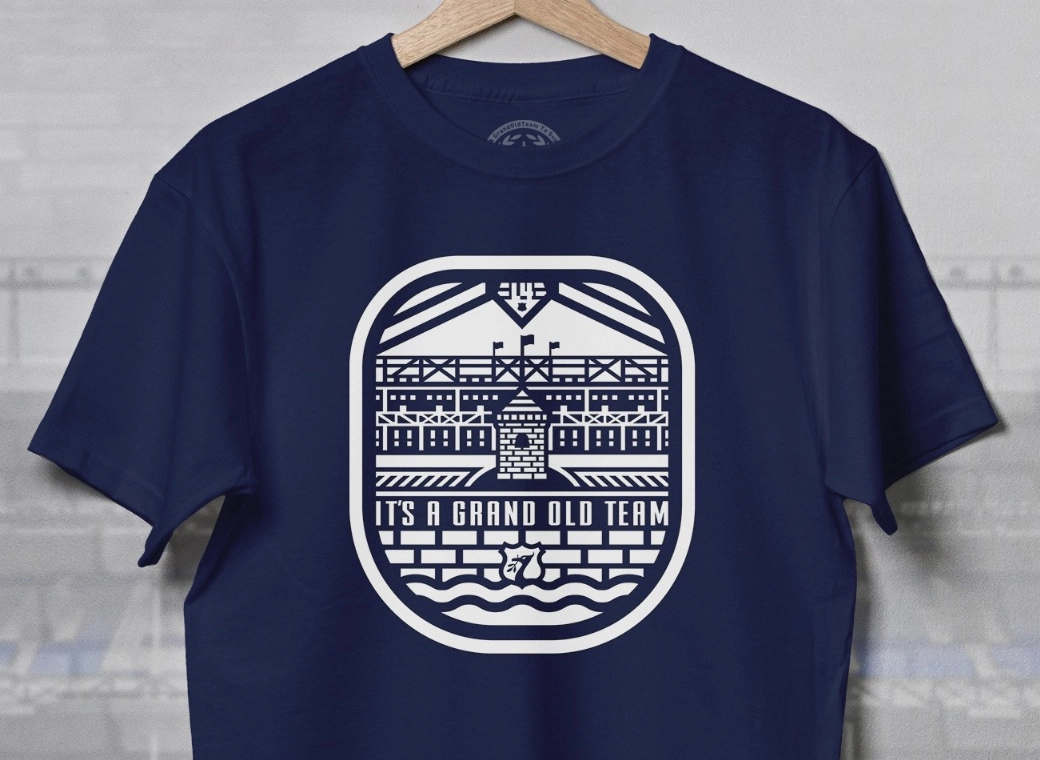
Grand Old Team T-Shirt
Our newest Everton T-Shirt.

Legends of Goodison Park
Everton champions, legends, and long-time servants assembled together in one squad photo!