
against us - Fabregas and Arsenal. 4-1 defeat at Goodison, 2004.
-
 Turn On Christmas Radio
Bah humbug - to turn off the snow, visit your preferences and select a style that isn't Christmas.
You are using an out of date browser. It may not display this or other websites correctly.
You should upgrade or use an alternative browser.
You should upgrade or use an alternative browser.
- Status
- Not open for further replies.

Brendan Janus
Player Valuation: £40m
Rooney for us against Bolton - 2002? I think. finished 0-0. He absolutely ran the show.
Remember that well !!
vintage-toffees
Player Valuation: £10m
Beckham against Greece at old Trafford .
Never seen anything come near it and then there's that goal
Never seen anything come near it and then there's that goal

Rooney for us against Bolton - 2002? I think. finished 0-0. He absolutely ran the show.
This. Sounds mad with it being a 0-0 but he absolutely terrorised their centre halves.
One of those 0-0's you'll never forget. He was just head and shoulders above everyone else that day.Remember that well !!
Rooney for us against Bolton - 2002? I think. finished 0-0. He absolutely ran the show.
That was the day James Milner scored for Leeds and the next day the Sunday Times had a comparison article which argued that James Milner would have the better career as he had better GCSE results.
Bullinasia
Player Valuation: £1m
Almost every game the Alan Ball played in for us


dholliday
deconstructed rep
That was the day James Milner scored for Leeds and the next day the Sunday Times had a comparison article which argued that James Milner would have the better career as he had better GCSE results.
jesus wept...beyond snobbish.
There's been some decent evolution in thinking recently, lots of reasonable people now recognising there is such a thing as football intelligence, and Rooney has it in spades (tho' physically past-it now like). All about calculating time & space, the seeming ability to make quick calculations under pressure.
(the reader comments are good as well)
https://www.theguardian.com/footbal...-iniesta-scope-embrace-brain-game-real-madrid
---------------------------------------------------------------------------------------------------------------------------------
Less than a minute after replacing Ivan Rakitic during a strangely discordant el clásico, Andrés Iniesta had Barcelona humming sweeter harmonies again. His first act was to float to the centre, collect from Gerard Piqué and exchange a wall-pass with Lionel Messi – bam, bam, bam – which started a 31-pass move. His next was to set up Neymar for a chance he smashed over. Later he steered a glorious eye of the needle ball that Messi, with the match at his feet, screwed wide.
True, Madrid stole an equaliser at the death but with Iniesta back from injury as Barcelona’s conductor and collagen the team looked whole again. Of course his technical and physical talents remain worldy, even at 32, but it was his football intelligence – that ability to find space and time amid the crush and rush, the right pass, the right everything – that really stood out. No wonder the Belgium manager, Roberto Martínez, suggested afterwards that Iniesta had a “third eye”.

Real Madrid and Sergio Ramos grab point at the last from Barcelona
Read more
Most of us understand what supremely high football IQ looks like from watching and playing for years. But, intriguingly, a group of Scandinavian scientists based mostly at the Karolinska Institute in Stockholm – one of the world’s most prestigious medical universities – are now convinced they can identify it, and break down its constituent parts, merely from brain games in a laboratory.
Their initial research was based on testing the cognitive abilities of 57 men and women footballers of similar ages and education levels from the top three divisions in Sweden. Their aim was simple: to determine each player’s “executive function” – in layman’s terms, their skills in areas such as “problem-solving, planning – multitasking, cognitive-flexibility and ability to deal with novelty”. The academics stress that this is different from IQ. During one test, for instance, players had to draw a series of non‑repeating geometric patterns on paper to test their “design fluency”, a well‑known examination of creativity under pressure.
This sounds about as relevant to professional football as proficiency at juggling oranges is to owning a juice bar. Yet the academics’ paper, Executive Functions Predict the Success of Top‑Soccer Players, produced two surprising findings.
First, both senior-elite and semi-elite players had significantly better measures of executive function compared to the normal population – with elite men and women outperforming the semi-elite. Second, executive function was able to predict which players would do better in terms of goals and assists over the following two years.
You might be sceptical. If so, it might reassure you to know that Iniesta and Xavi were as well when the scientists turned up to test them. Professor Predrag Petrovic tells me that both men had played the previous day and had been training and at various functions before the test, so they were entitled not to be at their sharpest. Yet Iniesta was in the top 0.1% for design fluency and also scored incredibly well in what neuroscientists call “inhibition” – the ability to alter one’s learned behavioural responses in a way that makes it easier to complete a particular task. Xavi, too, had very high scores in tasks that involved scanning ability, analysis and imagination.

Here's a thought: how do footballers do what they do?
Read more
There is surely something here for clubs. An obvious starting point would be to consider executive-function tests on smaller youth-team members that may alert them to football intelligence that may be muscled out. As the psychologist Torbjorn Vestberg starkly put it: “Are we sure a 16-year-old Iniesta would have made it in Swedish or English football, which often prizes physicality at that age?”
Such tests might also be used as part of a broader medical, allowing clubs to assess players’ cognitive strengths and weakness. Perhaps even – and this is a stretch – to see whether by training of executive function outside the football field, by using computer-assisted training, it can make better players.
Blake Wooster, co-founder of the football consultancy 21st Club, which works with several leading sides, believes such research may yet be a “quantum leap”. He does, however, also point to another way to measure game intelligence: using match film and analytics. “Imagine looking at situations where a winger has the option to cross, cut it back or shoot,” he says. “We can already assess the impact of the player’s decision on the probability of a goal being scored, which could translate into a measure of game intelligence.”
As the scientists put the finishing touches to a new paper on whether executive function can strongly predict the success of 12- to 19-year-old footballers, meanwhile, Morten Kringelbach, a professor at the University of Oxford, admits he is surprised there is not more interest from clubs. “Very few are taking this seriously yet,” he says. “They are putting money into scouting and player recruitment but here is a potential gold mine.”
Perhaps it is because the methods of using shapes, dots and lab tests to identify football intelligence are a little esoteric. But Iniesta’s recent book, The Artist, tells the story of Tonny Bruins – Johan Cruyff’s right‑hand man – teaching the concept of total football by using shapes and a whiteboard. Eventually a player asks: “Is that it?” And Bruins, with his basic Spanish, replies: “Yes, it’s everything. Football is simple. You divide the pitch into triangles and the key is always to have the ball and to create superiority.”
And Iniesta does it better than almost anyone.
---------------------------------------------------------------------------------------------------------------------------------

GwladysPhil
Player Valuation: £35m
jesus wept...beyond snobbish.
There's been some decent evolution in thinking recently, lots of reasonable people now recognising there is such a thing as football intelligence, and Rooney has it in spades (tho' physically past-it now like). All about calculating time & space, the seeming ability to make quick calculations under pressure.
(the reader comments are good as well)
https://www.theguardian.com/footbal...-iniesta-scope-embrace-brain-game-real-madrid
---------------------------------------------------------------------------------------------------------------------------------
Less than a minute after replacing Ivan Rakitic during a strangely discordant el clásico, Andrés Iniesta had Barcelona humming sweeter harmonies again. His first act was to float to the centre, collect from Gerard Piqué and exchange a wall-pass with Lionel Messi – bam, bam, bam – which started a 31-pass move. His next was to set up Neymar for a chance he smashed over. Later he steered a glorious eye of the needle ball that Messi, with the match at his feet, screwed wide.
True, Madrid stole an equaliser at the death but with Iniesta back from injury as Barcelona’s conductor and collagen the team looked whole again. Of course his technical and physical talents remain worldy, even at 32, but it was his football intelligence – that ability to find space and time amid the crush and rush, the right pass, the right everything – that really stood out. No wonder the Belgium manager, Roberto Martínez, suggested afterwards that Iniesta had a “third eye”.
Real Madrid and Sergio Ramos grab point at the last from Barcelona
Read more
Most of us understand what supremely high football IQ looks like from watching and playing for years. But, intriguingly, a group of Scandinavian scientists based mostly at the Karolinska Institute in Stockholm – one of the world’s most prestigious medical universities – are now convinced they can identify it, and break down its constituent parts, merely from brain games in a laboratory.
Their initial research was based on testing the cognitive abilities of 57 men and women footballers of similar ages and education levels from the top three divisions in Sweden. Their aim was simple: to determine each player’s “executive function” – in layman’s terms, their skills in areas such as “problem-solving, planning – multitasking, cognitive-flexibility and ability to deal with novelty”. The academics stress that this is different from IQ. During one test, for instance, players had to draw a series of non‑repeating geometric patterns on paper to test their “design fluency”, a well‑known examination of creativity under pressure.
This sounds about as relevant to professional football as proficiency at juggling oranges is to owning a juice bar. Yet the academics’ paper, Executive Functions Predict the Success of Top‑Soccer Players, produced two surprising findings.
First, both senior-elite and semi-elite players had significantly better measures of executive function compared to the normal population – with elite men and women outperforming the semi-elite. Second, executive function was able to predict which players would do better in terms of goals and assists over the following two years.
You might be sceptical. If so, it might reassure you to know that Iniesta and Xavi were as well when the scientists turned up to test them. Professor Predrag Petrovic tells me that both men had played the previous day and had been training and at various functions before the test, so they were entitled not to be at their sharpest. Yet Iniesta was in the top 0.1% for design fluency and also scored incredibly well in what neuroscientists call “inhibition” – the ability to alter one’s learned behavioural responses in a way that makes it easier to complete a particular task. Xavi, too, had very high scores in tasks that involved scanning ability, analysis and imagination.
Here's a thought: how do footballers do what they do?
Read more
There is surely something here for clubs. An obvious starting point would be to consider executive-function tests on smaller youth-team members that may alert them to football intelligence that may be muscled out. As the psychologist Torbjorn Vestberg starkly put it: “Are we sure a 16-year-old Iniesta would have made it in Swedish or English football, which often prizes physicality at that age?”
Such tests might also be used as part of a broader medical, allowing clubs to assess players’ cognitive strengths and weakness. Perhaps even – and this is a stretch – to see whether by training of executive function outside the football field, by using computer-assisted training, it can make better players.
Blake Wooster, co-founder of the football consultancy 21st Club, which works with several leading sides, believes such research may yet be a “quantum leap”. He does, however, also point to another way to measure game intelligence: using match film and analytics. “Imagine looking at situations where a winger has the option to cross, cut it back or shoot,” he says. “We can already assess the impact of the player’s decision on the probability of a goal being scored, which could translate into a measure of game intelligence.”
As the scientists put the finishing touches to a new paper on whether executive function can strongly predict the success of 12- to 19-year-old footballers, meanwhile, Morten Kringelbach, a professor at the University of Oxford, admits he is surprised there is not more interest from clubs. “Very few are taking this seriously yet,” he says. “They are putting money into scouting and player recruitment but here is a potential gold mine.”
Perhaps it is because the methods of using shapes, dots and lab tests to identify football intelligence are a little esoteric. But Iniesta’s recent book, The Artist, tells the story of Tonny Bruins – Johan Cruyff’s right‑hand man – teaching the concept of total football by using shapes and a whiteboard. Eventually a player asks: “Is that it?” And Bruins, with his basic Spanish, replies: “Yes, it’s everything. Football is simple. You divide the pitch into triangles and the key is always to have the ball and to create superiority.”
And Iniesta does it better than almost anyone.
---------------------------------------------------------------------------------------------------------------------------------
I can't be bothered finding it - but their was a newspaper article literally saying that Rooney is a genius in his own way, by the way he is able to do what he does instinctively with a football.
dholliday
deconstructed rep
I can't be bothered finding it - but their was a newspaper article literally saying that Rooney is a genius in his own way, by the way he is able to do what he does instinctively with a football.
our own Neville Southall too, those weren't instinctive reflexes, more anticipated calculations.
Far from the 'best', but thinking of players we actually still have, Besic v City in the Cup, and Barkley v QPR when he played deeper in midfield. Rom vs Young Boys was quite funny too, he sort of suddenly realised he was twice the size of the lot of them and just starting running wherever he wanted.

scratchnsurf
Player Valuation: £40m

Bluebonic
Player Valuation: £40m
For us, the Dave Thomas versus Coventry 6-2 win at Goodison, no defence on the planet could have lived with him that day, he was utterly imperious! For other teams Julio baptises performance in Arsenals 6-3 win at Anfield, the lad was normally dogpoo, but that one game, he became godlike, the RS simply didn't know how to stop him!
- Status
- Not open for further replies.
Shop
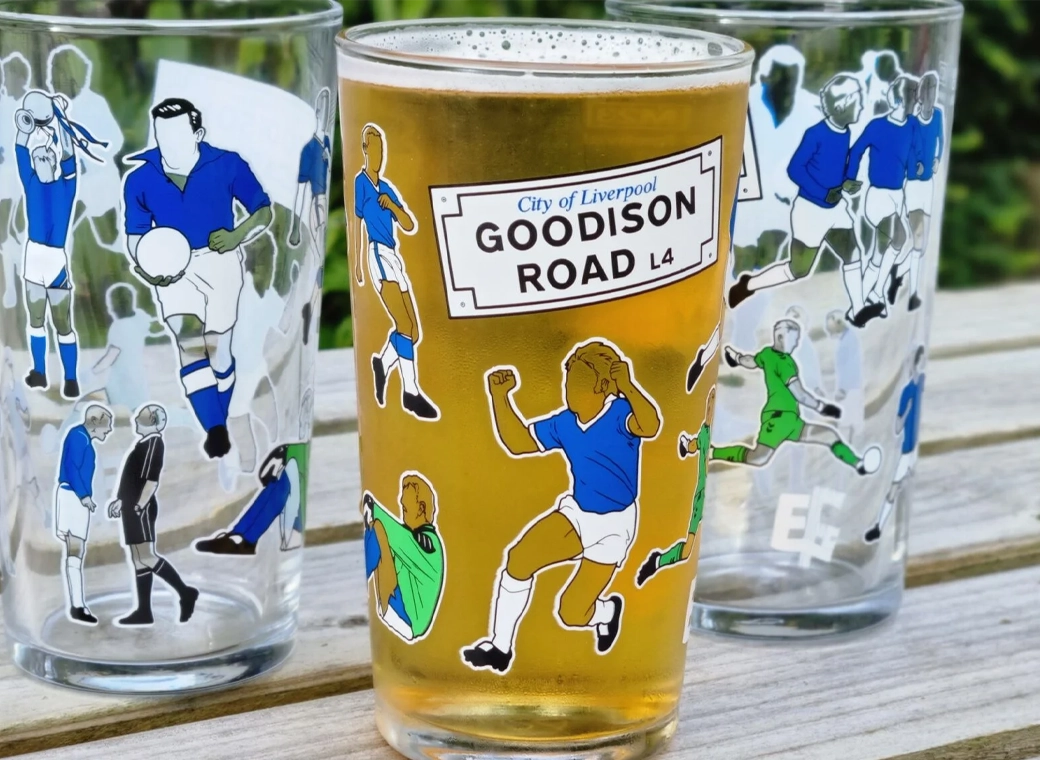
Everton Pint Glass
Our exclusive Everton pint glasses are a true collector’s item that pays homage to Goodison Park through iconic players who have graced the pitch over different generations.
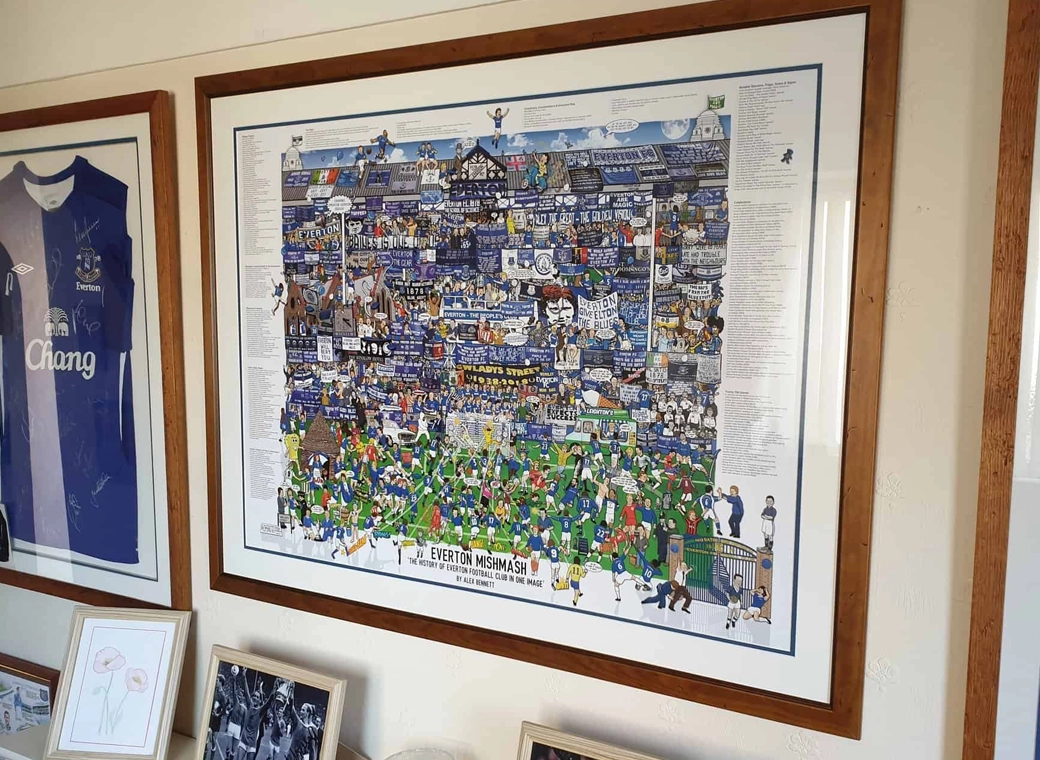
Everton Mishmash
The history of Everton FC in one image! “The best Everton thing I’ve ever got!”
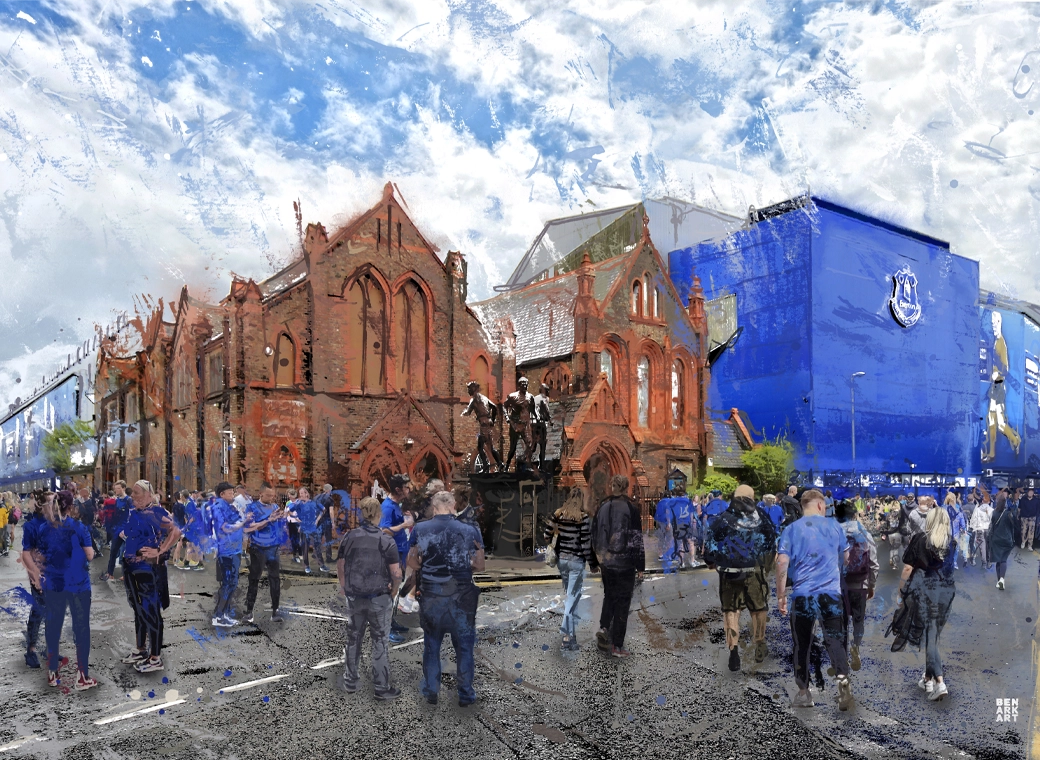
Goodison Park - Blue Skies
A truly, wonderful piece which brings memories of visits to Goodison Park alive.
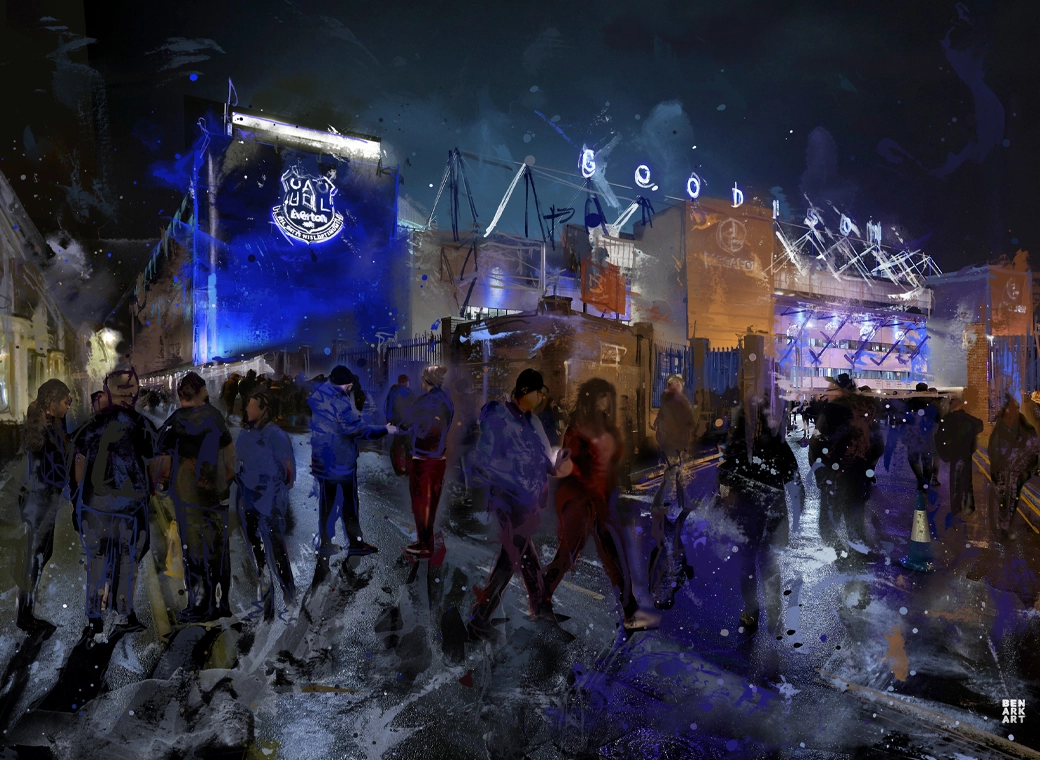
Goodison Park - Under The Lights
This print wonderfully encapsulates the magic of the ‘Goodison Under The Lights’.
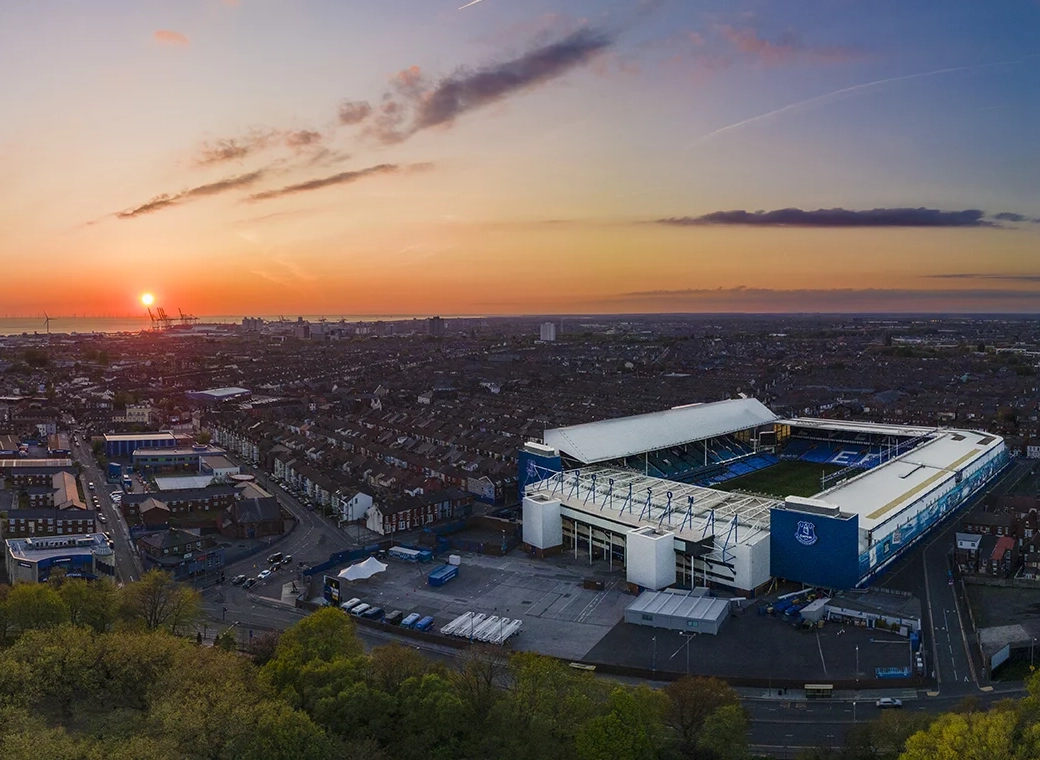
Goodison Park - Sunset
A wonderful, A3 aerial print of Goodison Park.
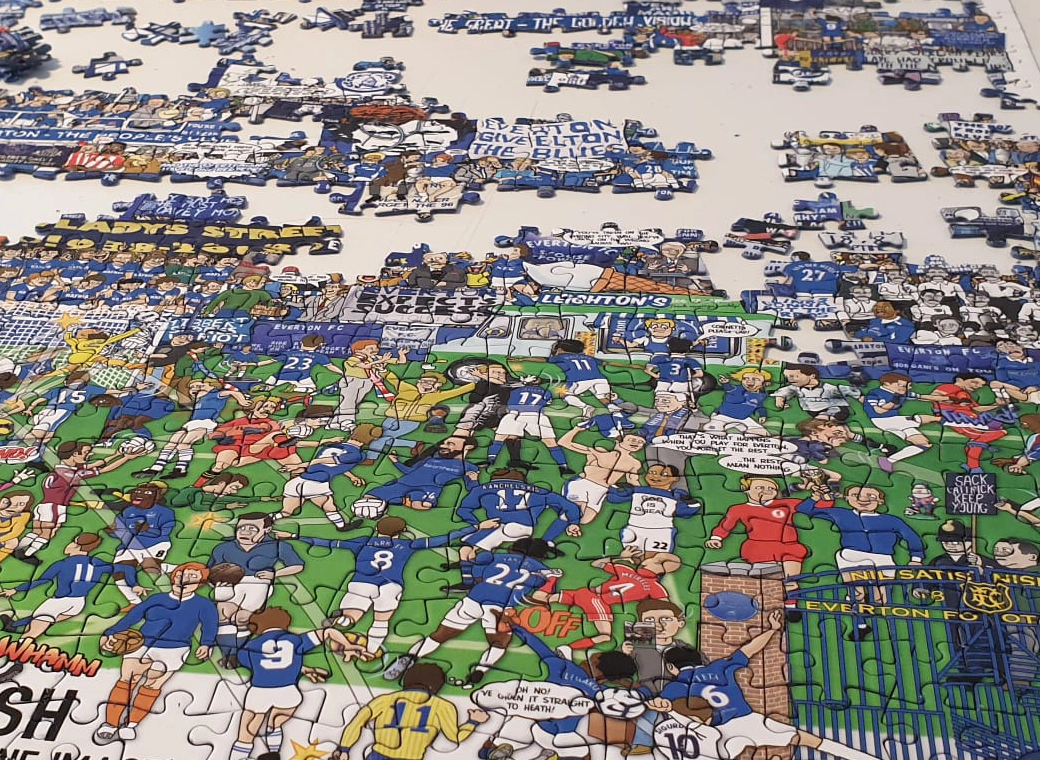
Everton Jigsaw
A special, limited edition 1,000 piece jigsaw of the popular Everton Mishmash – The History Of Everton FC In One Image!
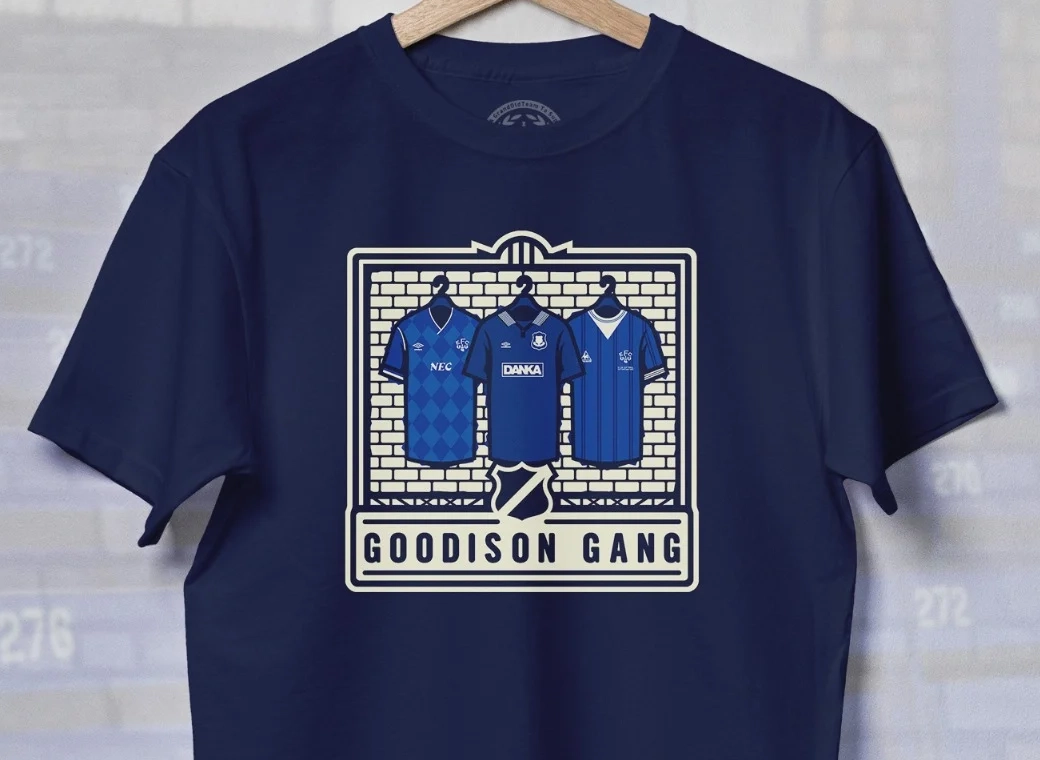
Goodison Gang T-Shirt
Introducing our Goodison Gang Everton T-Shirt.
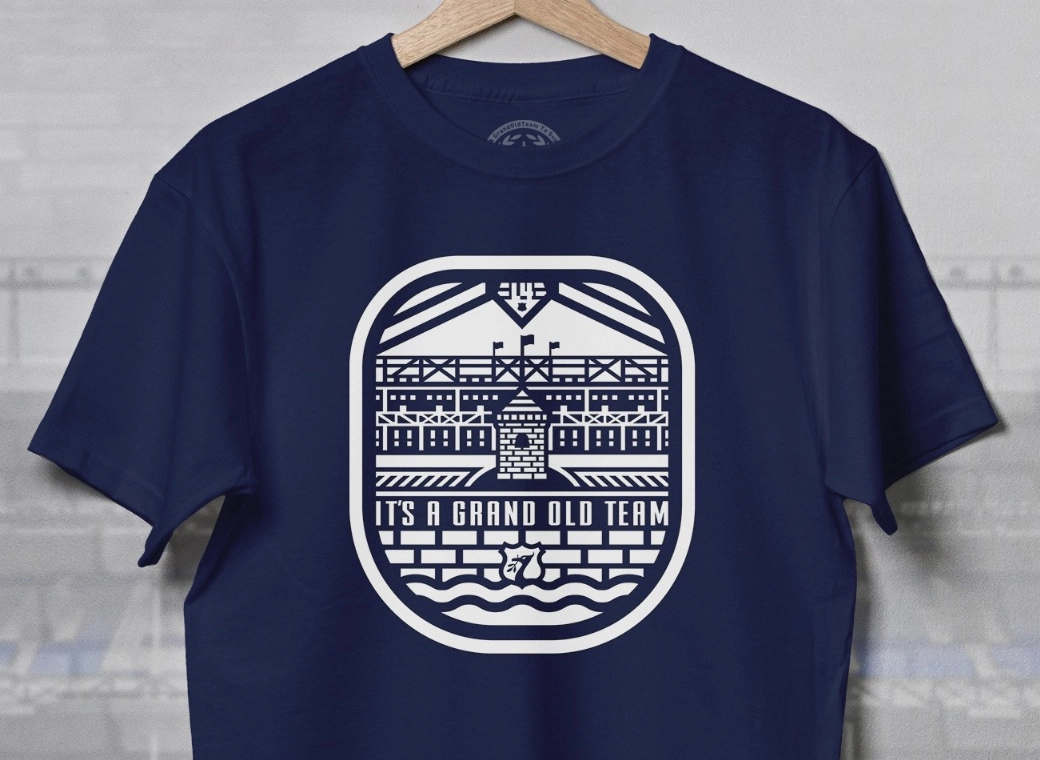
Grand Old Team T-Shirt
Our newest Everton T-Shirt.
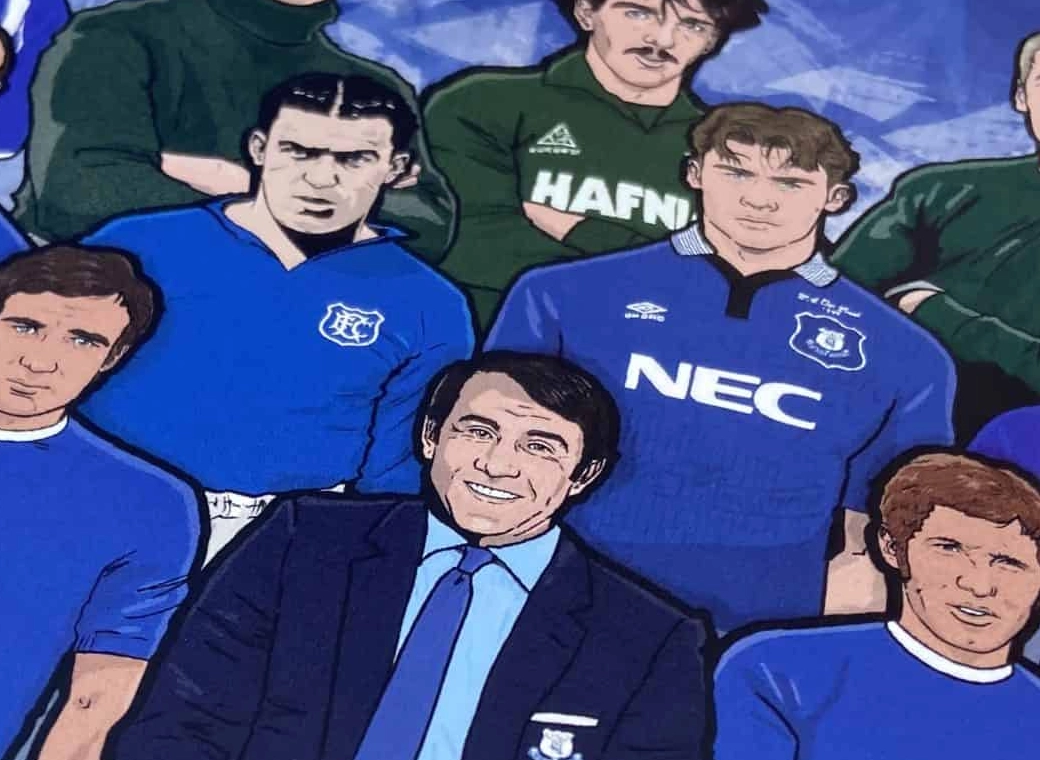
Legends of Goodison Park
Everton champions, legends, and long-time servants assembled together in one squad photo!