
You are using an out of date browser. It may not display this or other websites correctly.
You should upgrade or use an alternative browser.
You should upgrade or use an alternative browser.
The 2015 Popularity Contest (aka UK General Election )
- Thread starter rascal
- Start date
- Status
- Not open for further replies.

bluemangroup
Player Valuation: £70m
"I've made it so why can't you?"

mrs the esk
Player Valuation: £5m
That's the same for everyone though isn't it? I mean how many well meaning people are prepared to downshift their own lifestyles in a big way in order to free up money to help the needy? Very few do. How many of your friends in Kensington for instance would be willing to give up their luxurious lifestyle, downshift to somewhere cheaper, and use the money they've saved to help the poor?
As you say, it's about priorities, and I'd say the majority have very different priorities when the push comes to shove, and you know, that's perfectly ok. People have earned their money and their lifestyle, and they should be free to live how they want.
I don't think we can sit here moralising about a government not doing something though if we're not prepared to do it ourselves, can we? Duncan-Smith was rightly critisised a while back for his comments about the supposed low cost of healthy food, when he wasn't prepared to try and live on a similar budget for a while. Kinda helps if you walk the walk a bit, which is why even leftish political leaders struggle so much, because what would someone living in Highgate know about the lives of the poor? Miliband may have met lots of people on Hampstead Heath, but he doesn't tend to go out in poorer parts of town without a minder and a press crew. They're all the same.
I don't understand the notion that bringing people out of poverty will reduce the wealth of the wealthy. How do you arrive at such a conclusion?
Surely increasing the purchasing power of the poor by lifting them out of poverty benefits all segments of society?
I can't speak for all my friends, but I know many do charity work and support good causes without the need for self publicity, supporting good causes at home and abroad.
The point of this discussion though is that Governments determine to what extent poverty affects the poorest in society, both in terms of numbers but also the degree of poverty experienced not only financially but in terms of availability of public services, education and therefore critically in terms of opportunity. Government makes conscious decisions when determining budgets and priorities. It is clear that a UK Government if it so desired could eradicate poverty in the UK. The problem is that no Government, Labour included, have made that commitment in terms of policy nor in terms of financial commitment.

I don't understand the notion that bringing people out of poverty will reduce the wealth of the wealthy. How do you arrive at such a conclusion?
Surely increasing the purchasing power of the poor by lifting them out of poverty benefits all segments of society?
I can't speak for all my friends, but I know many do charity work and support good causes without the need for self publicity, supporting good causes at home and abroad.
The point of this discussion though is that Governments determine to what extent poverty affects the poorest in society, both in terms of numbers but also the degree of poverty experienced not only financially but in terms of availability of public services, education and therefore critically in terms of opportunity. Government makes conscious decisions when determining budgets and priorities. It is clear that a UK Government if it so desired could eradicate poverty in the UK. The problem is that no Government, Labour included, have made that commitment in terms of policy nor in terms of financial commitment.
I was just interested in the priorities accusation (ie that governments could solve poverty but it isn't a priority), as social mobility hasn't shifted for a generation, so this must be a cross party thing. It's always a trade-off isn't it, whether with us as individuals or an organisation, such as a government?
It's pretty rare for someone to substantially lower their own standard of living in order to help others, which is an indication of their own priorities isn't it? I'm sure a government could double/triple/quadruple the welfare budget if they so desired, but that would require other departments seeing a huge cut in their own budgets.
That will manifest itself in the coming years as departments such as the NHS have had their budgets ring-fenced, so others will see their own budgets squeezed as the government try to make ends meet. We have to be honest with ourselves here don't we? I think the government has had a surplus in something like 3 of the last 25 years, which suggests that it has regularly spent beyond its means.
Esk is a business man. He wouldn't be a business man for long I'd imagine if he operated in such a way. We cannot expect the state to be all things to all people. There should be no shame in saying that it will prioritise things, nor that there are other organisations that may have better answers than the state does.

Coach
Player Valuation: £30m
It's hurting but it's not working .... deficit up by 10%
http://www.theguardian.com/business...nt-borrowing-10-percent-higher-budget-deficit
http://www.theguardian.com/business...nt-borrowing-10-percent-higher-budget-deficit
mrs the esk
Player Valuation: £5m
I was just interested in the priorities accusation (ie that governments could solve poverty but it isn't a priority), as social mobility hasn't shifted for a generation, so this must be a cross party thing. It's always a trade-off isn't it, whether with us as individuals or an organisation, such as a government?
Of course it is a cross party thing. The Labour Party are almost as culpable as the Conservatives in this respect.
Investment in the poor is an investment in the whole economy. Why should trickle up not be as effective as the fans of trickle down suggest trickle down is?
In business you invest in all your assets, land, machinery, technology, stock, CRM, and most importantly your people. You invest in training to improve performance, efficiencies, skill levels, to make your offering better and more competitive than that of your competitors. The businesses that succeed over time are those companies. It's no coincidence that those companies perceived as the best employers are actually commercially the most successful.
Why can't Government adopt the same attitude? Invest time, money, effort, services and skills in raising the living standards (in every respect) of the poor and reap those benefits over the long term?
People like to claim that spending money on the poor is a cost to Government and the taxpayer. It doesn't have to be, it can be viewed as an investment if tied into long term planning and policy.
Of course it is a cross party thing. The Labour Party are almost as culpable as the Conservatives in this respect.
Investment in the poor is an investment in the whole economy. Why should trickle up not be as effective as the fans of trickle down suggest trickle down is?
In business you invest in all your assets, land, machinery, technology, stock, CRM, and most importantly your people. You invest in training to improve performance, efficiencies, skill levels, to make your offering better and more competitive than that of your competitors. The businesses that succeed over time are those companies. It's no coincidence that those companies perceived as the best employers are actually commercially the most successful.
Why can't Government adopt the same attitude? Invest time, money, effort, services and skills in raising the living standards (in every respect) of the poor and reap those benefits over the long term?
People like to claim that spending money on the poor is a cost to Government and the taxpayer. It doesn't have to be, it can be viewed as an investment if tied into long term planning and policy.
Of course, and I've mentioned a few times in this thread the notion of the fortune at the bottom of the pyramid and how that's encouraging companies to adopt a more innovative approach in providing products and services to the billion or so people in the world on very little money.
I'm just not sure the traditional mechanisms of government support are working. We've discussed at length on the site that the free education provided to all doesn't seem to be working for certain sections of society.
It's largely the same with the NHS. A study in the BMJ a few years ago suggested that the gap between the health of the richest and the poorest was the greatest (in 2007) than at any other time in the 100 years or so that they were recording that kind of thing.
The provision of free education and free healthcare (plus generous welfare payments) don't appear to be working, yet the only solutions seeming to come out of Whitehall is to do more of the same. There's a suggestion that these things would work if only they had more money. I'm not sure we can make that assumption.

There's also a good argument that a huge and rapidly increasing wealth gap is extremely socially corrosive as well.

SweetJesus849
Player Valuation: £1m
Of course, and I've mentioned a few times in this thread the notion of the fortune at the bottom of the pyramid and how that's encouraging companies to adopt a more innovative approach in providing products and services to the billion or so people in the world on very little money.
I'm just not sure the traditional mechanisms of government support are working. We've discussed at length on the site that the free education provided to all doesn't seem to be working for certain sections of society.
It's largely the same with the NHS. A study in the BMJ a few years ago suggested that the gap between the health of the richest and the poorest was the greatest (in 2007) than at any other time in the 100 years or so that they were recording that kind of thing.
The provision of free education and free healthcare (plus generous welfare payments) don't appear to be working, yet the only solutions seeming to come out of Whitehall is to do more of the same. There's a suggestion that these things would work if only they had more money. I'm not sure we can make that assumption.
If you need more money, you've got to do some financial reorganising to save, actively seek the money you're owed through things such as taxes, or do things such as borrow. At present, we seem to do the third option more than anything, seeing as levels of "public borrowing" are up. Yet again.
mrs the esk
Player Valuation: £5m
It's largely the same with the NHS. A study in the BMJ a few years ago suggested that the gap between the health of the richest and the poorest was the greatest (in 2007) than at any other time in the 100 years or so that they were recording that kind of thing.
If you ever needed an argument for lifting the standard of living of those in poverty then you have just provided it with this statement. The wealthiest are living longer because they are wealthy. Wealthy people eat better, exercise better, have less stress and can afford the best medical care when things go wrong. So it's hardly surprising the gap has grown.
Improve the living standards of the poorest and you'll see a corresponding increase in health and life expectancy, but it needs significant investment, thought and comprehensive policies across many areas of Government to achieve it. It's an investment worth doing though, and the whole of society will benefit because of it.
If you need more money, you've got to do some financial reorganising to save, actively seek the money you're owed through things such as taxes, or do things such as borrow. At present, we seem to do the third option more than anything, seeing as levels of "public borrowing" are up. Yet again.
We've done that pretty much every year in my lifetime to be honest. I'm inclined to think that whatever gains the economy has seen in the past few years have been obtained by the government hitting the printing presses. It'll come home to roost before long.
There was a bloke from the Soros fund on the radio over the weekend, and he was massively pessimistic about western economies because of how highly geared they still are, with most of that coming from a glut of cheap money hot off of the presses.
We had a look at the new housing development going up near us, and the cheapest 1 bed was £450,000 (but they were all sold). They have a couple of 2 beds available though for £620,000. Funny old world.
mrs the esk
Player Valuation: £5m
We had a look at the new housing development going up near us, and the cheapest 1 bed was £450,000 (but they were all sold). They have a couple of 2 beds available though for £620,000. Funny old world.
That wouldn't be on the old Heygate estate by any chance would it? The place which used to have low cost housing provided by the local council?
If you ever needed an argument for lifting the standard of living of those in poverty then you have just provided it with this statement. The wealthiest are living longer because they are wealthy. Wealthy people eat better, exercise better, have less stress and can afford the best medical care when things go wrong. So it's hardly surprising the gap has grown.
Improve the living standards of the poorest and you'll see a corresponding increase in health and life expectancy, but it needs significant investment, thought and comprehensive policies across many areas of Government to achieve it. It's an investment worth doing though, and the whole of society will benefit because of it.
I don't think that's down to money though. I mean in pretty much every park in London there are free gyms for people to use (that's if they can't go for a run around said park). Eating healthily isn't a matter of finances as much as it is knowledge. I mean not smoking or drinking doesn't cost you anything, fruit costs less than chocolate, water less than pop, staples less than ready meals, and the NHS is the best in the world (see earlier in this thread)

I'm not sure how doing more of what the state is already doing will make any difference to those things. At what point does personal responsibility come into it? Surely people know by now that smoking is bad for you? That drinking excessively is poor? That junk food clogs your heart?
I've said before in this thread that I believe the NHS should try and do more to prevent illness rather than cure it, but you need a willing and able 'subject' for that person to change their ways.
That wouldn't be on the old Heygate estate by any chance would it? The place which used to have low cost housing provided by the local council?
 yeah, that's the place. It's a pity I didn't know you when I lived in it. I'd have invited you round for tea. Bet you'd have loved it
 There's still some from that era available though if you want somewhere a bit cheaper. Only £285,000 for this beauty (which is still out of reach of most working people I would suggest).


http://www.zoopla.co.uk/for-sale/details/34895902#oIXSGcVlEuSXOSp0.97
mrs the esk
Player Valuation: £5m
I don't think that's down to money though. I mean in pretty much every park in London there are free gyms for people to use (that's if they can't go for a run around said park). Eating healthily isn't a matter of finances as much as it is knowledge. I mean not smoking or drinking doesn't cost you anything, fruit costs less than chocolate, water less than pop, staples less than ready meals, and the NHS is the best in the world (see earlier in this thread)
I'm not sure how doing more of what the state is already doing will make any difference to those things. At what point does personal responsibility come into it? Surely people know by now that smoking is bad for you? That drinking excessively is poor? That junk food clogs your heart?
I've said before in this thread that I believe the NHS should try and do more to prevent illness rather than cure it, but you need a willing and able 'subject' for that person to change their ways.
You conveniently ignore the fact that there is a clear correlation between ones financial situation and ones health. It stands to reason that if you improve peoples well being then their collective health improves also
Secondly, the NHS spend significant sums on health promotion and illness prevention, let's not pretend they don't.
You're presenting your view from your own perspective, that of an educated, healthy motivated person who is sufficiently motivated and educated to do the correct things for himself and his family. Sadly not everyone is able to do that either through disability, illness, often mental illness, such as depression in its many forms, inability to take on board health messages and advice, alcoholism, drug abuse, or just the fact that they're so worn down by the history of failure and non-achievement they cannot do even the simplest things to improve their own lives.
It's not just money, it's a requirement by Government to produce an integrated policy that says we are going to eradicate poverty in all its forms. It requires investment in people, training, education - it will take a generation at least to put right, but it will never be put right unless a Government makes it a priority and invests in it.
- Status
- Not open for further replies.
Shop

Everton Pint Glass
Our exclusive Everton pint glasses are a true collector’s item that pays homage to Goodison Park through iconic players who have graced the pitch over different generations.
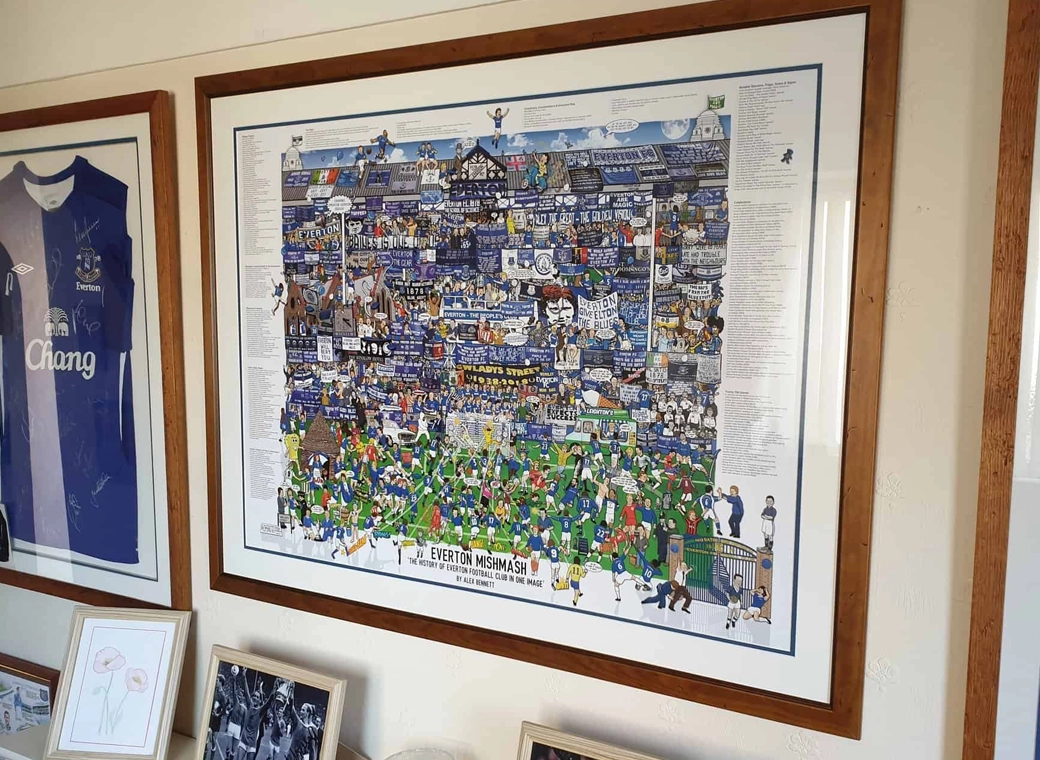
Everton Mishmash
The history of Everton FC in one image! “The best Everton thing I’ve ever got!”
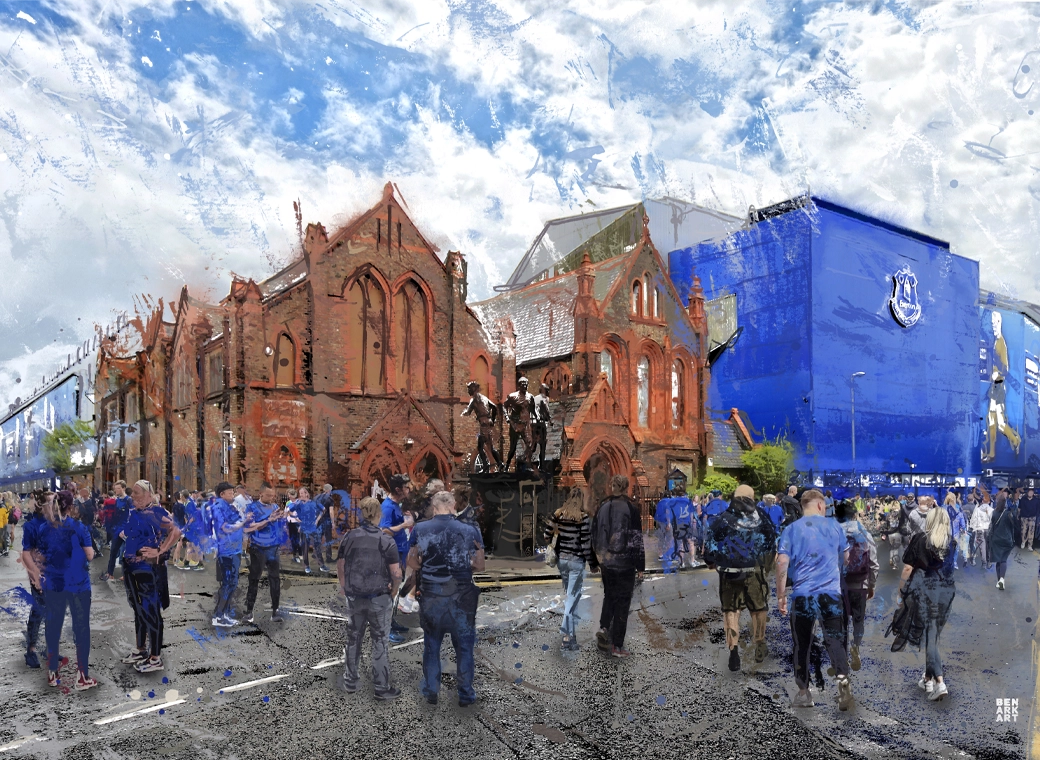
Goodison Park - Blue Skies
A truly, wonderful piece which brings memories of visits to Goodison Park alive.

Goodison Park - Under The Lights
This print wonderfully encapsulates the magic of the ‘Goodison Under The Lights’.
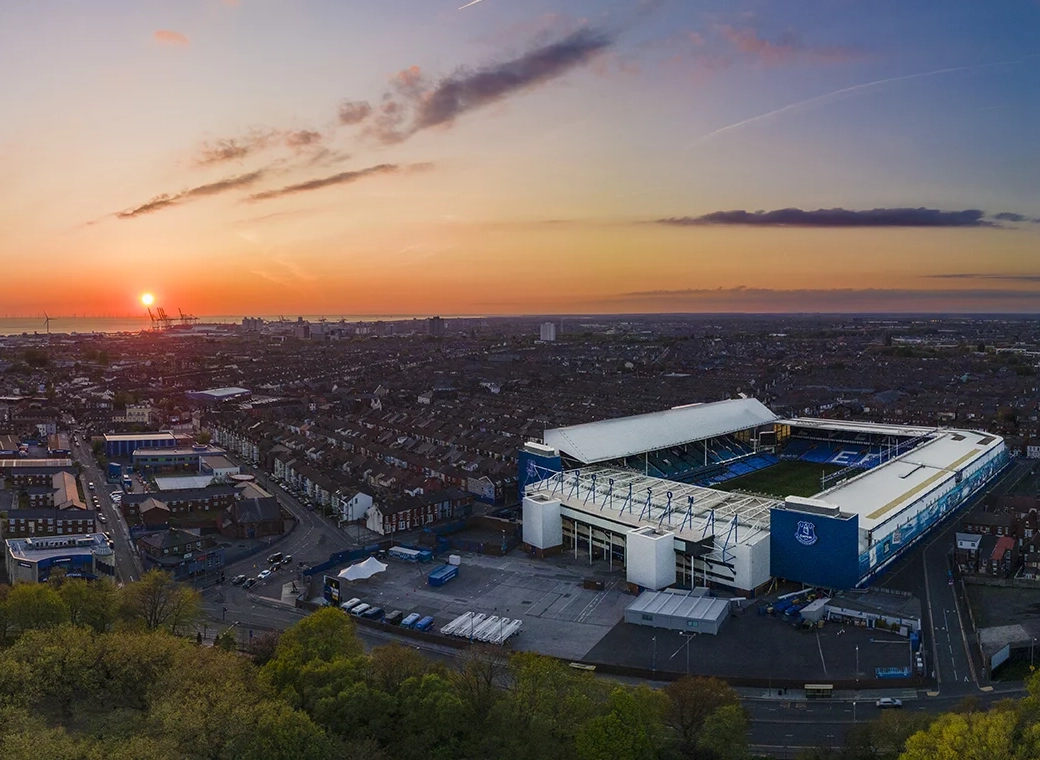
Goodison Park - Sunset
A wonderful, A3 aerial print of Goodison Park.

Everton Jigsaw
A special, limited edition 1,000 piece jigsaw of the popular Everton Mishmash – The History Of Everton FC In One Image!

Goodison Gang T-Shirt
Introducing our Goodison Gang Everton T-Shirt.

Grand Old Team T-Shirt
Our newest Everton T-Shirt.

Legends of Goodison Park
Everton champions, legends, and long-time servants assembled together in one squad photo!