

carlos21
KING OF REP
hi love how are you today .xxxDunno.
hi love how are you today .xxxDunno.

hi love how are you today .xxx
i am fine today mate sick last night xxHi mate. Trying to avoid the jizzstorm. Other than that, I'm fine. Debugging like the monkey I am.
xoxo
i am fine today mate sick last night xx

i know mate hahahaha.Good to hear you are fine. Being sick is poo.

Groucho, can we have some space facts for tomorrow please?
okay mateIs it normal that I still can't taste an effing thing?!

As I said earlier, yep. This is coz of Stargazing live, isn't it? I love it.
If people fancy, how's about a few cosmic true or false questions to get me through the working day, culminating in a Briancoxbrianmaypatrickmooredaraobriainjodrellbank-tastic space fact hunt?
We'll start off easy, so True or false - Venus is the hottest planet in our solar system?
It's actually because the mrs and I were talking about space for hours last night and I fancied getting some boss facts on it. I am going to watch Stargazing too however.
I'm gonna say false on the first one.
Its true. Gets up to 500•C, hotter than Mercury which is closer to the sun. Due to the dense atmosphere you see.
They have really violent storms on Venus don't they?

It's a 'pea-souper' every day there. Here's a pic of the surface
Wow. How did they manage to get a camera past the outer atmosphere? I thought it was impossible to navigate due to violent winds, storms and such

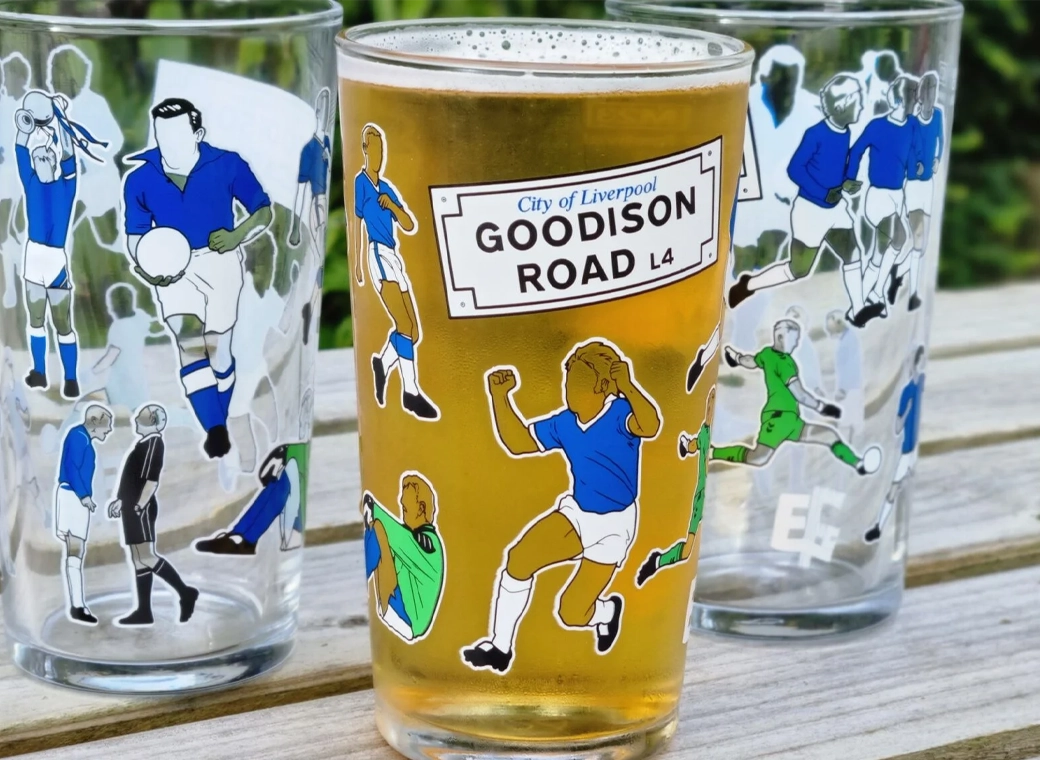
Our exclusive Everton pint glasses are a true collector’s item that pays homage to Goodison Park through iconic players who have graced the pitch over different generations.
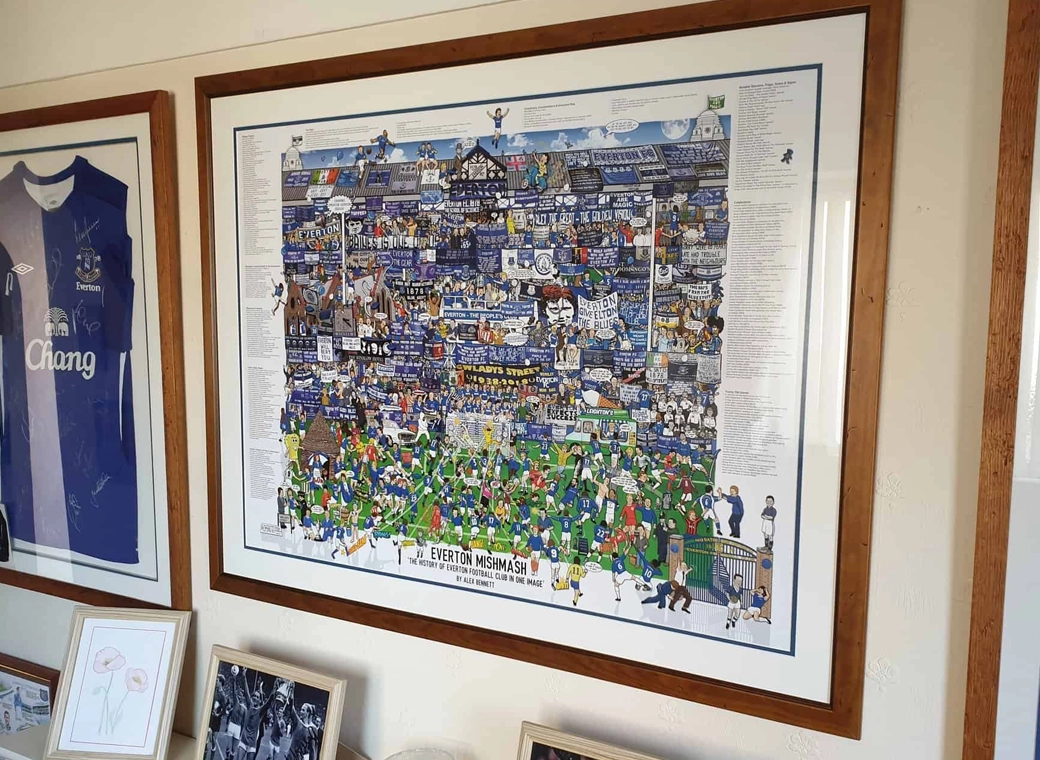
The history of Everton FC in one image! “The best Everton thing I’ve ever got!”
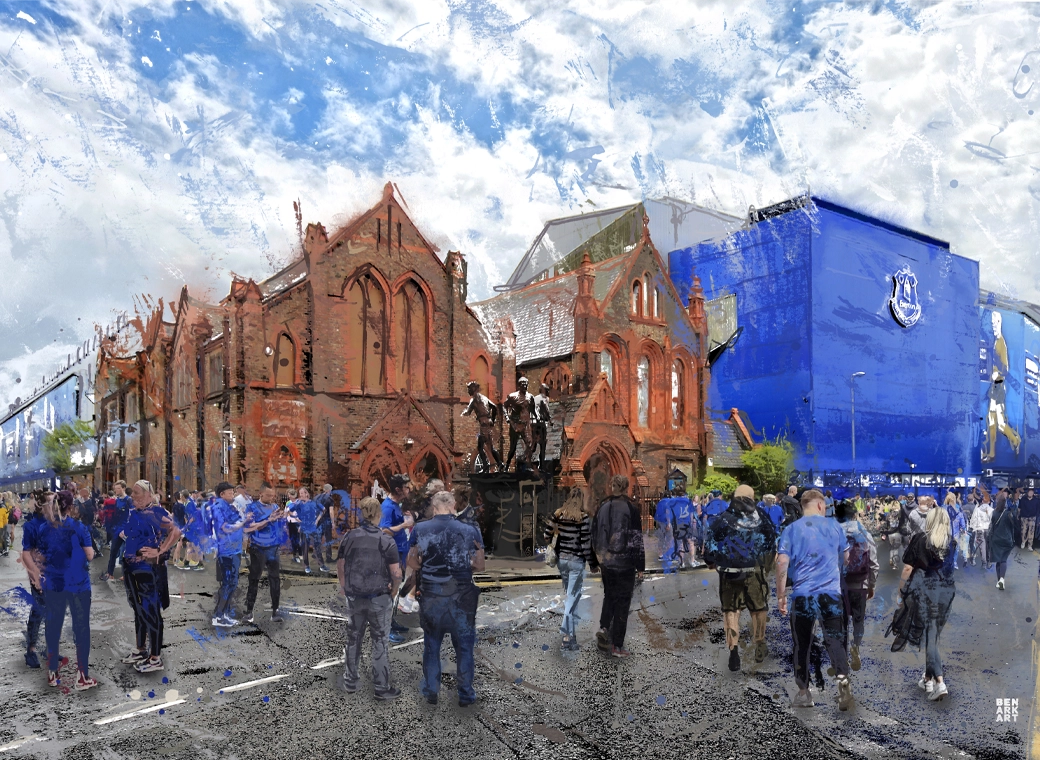
A truly, wonderful piece which brings memories of visits to Goodison Park alive.
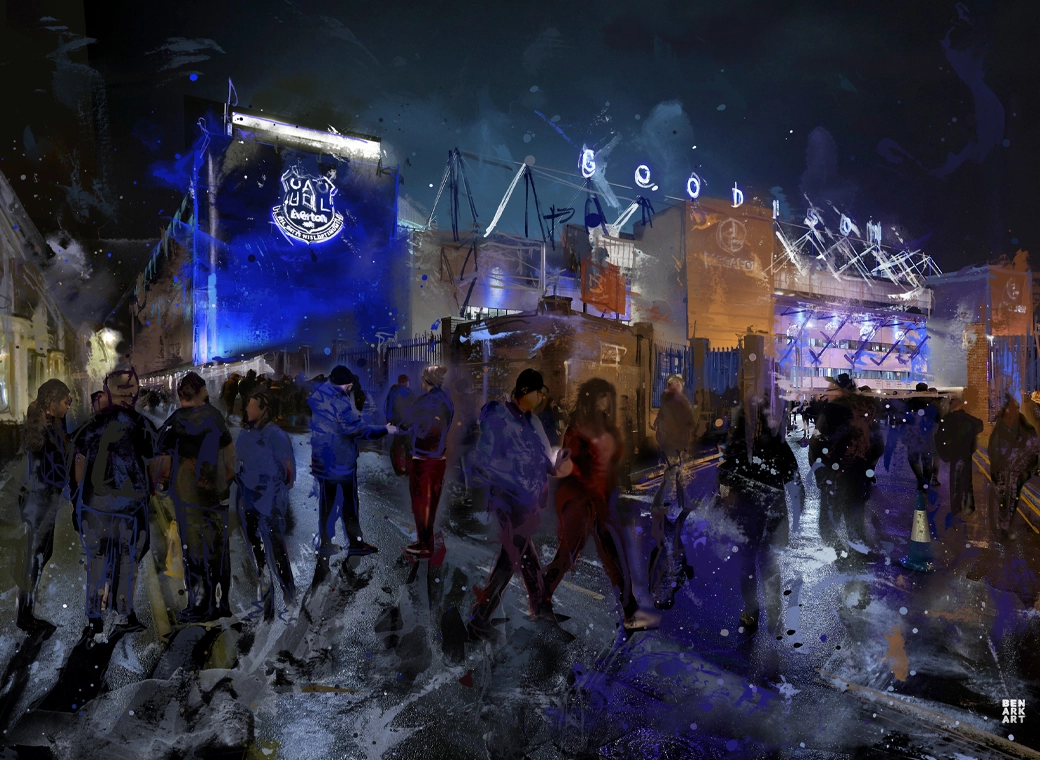
This print wonderfully encapsulates the magic of the ‘Goodison Under The Lights’.
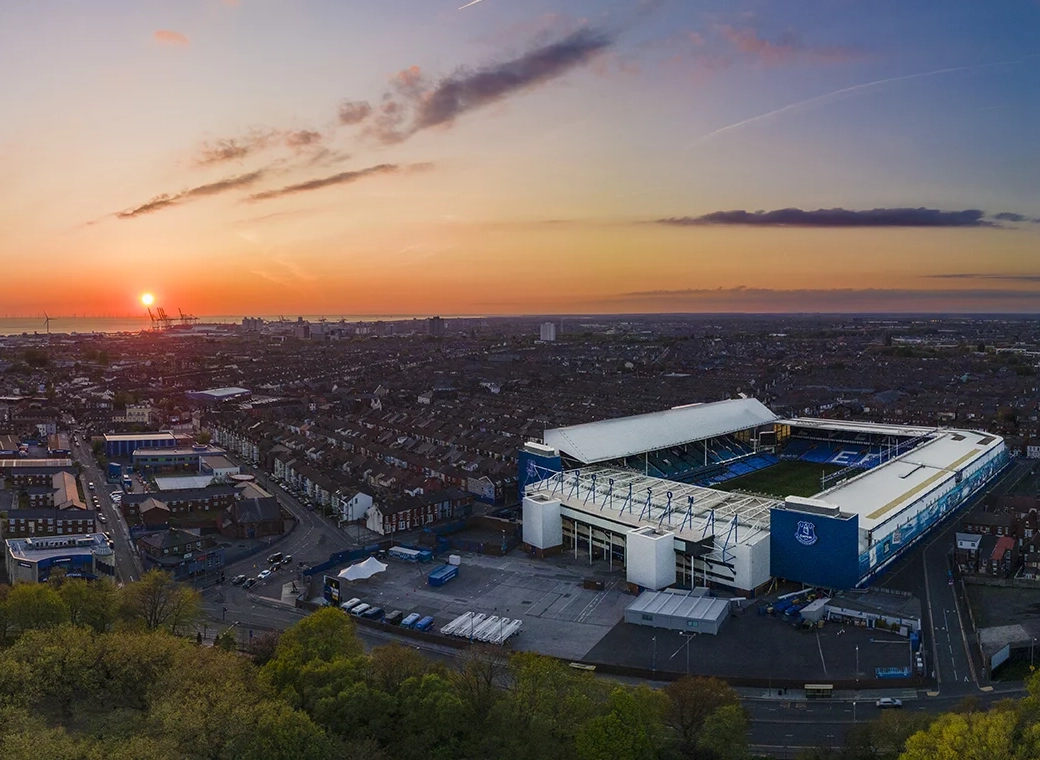
A wonderful, A3 aerial print of Goodison Park.
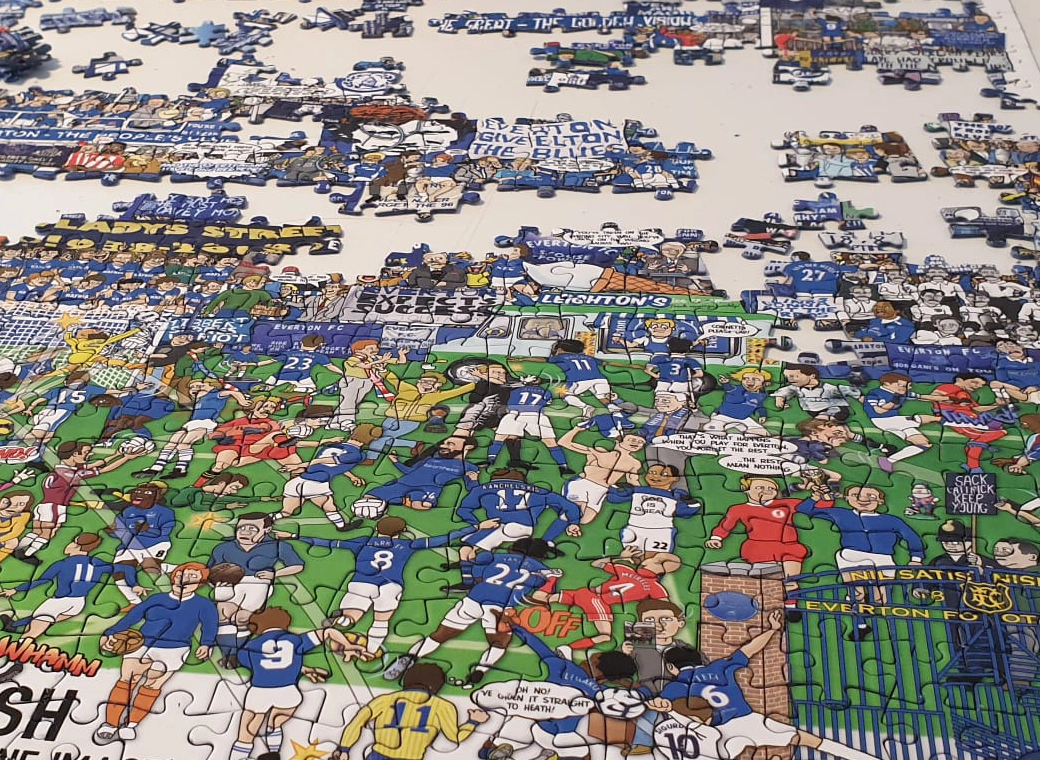
A special, limited edition 1,000 piece jigsaw of the popular Everton Mishmash – The History Of Everton FC In One Image!
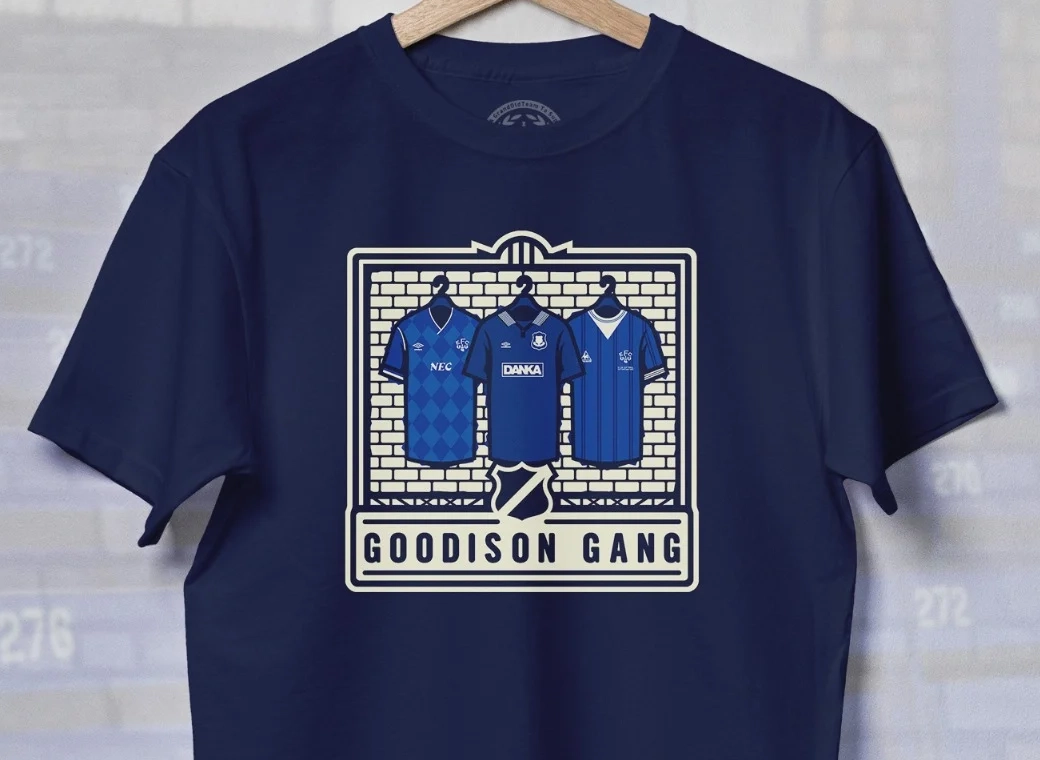
Introducing our Goodison Gang Everton T-Shirt.
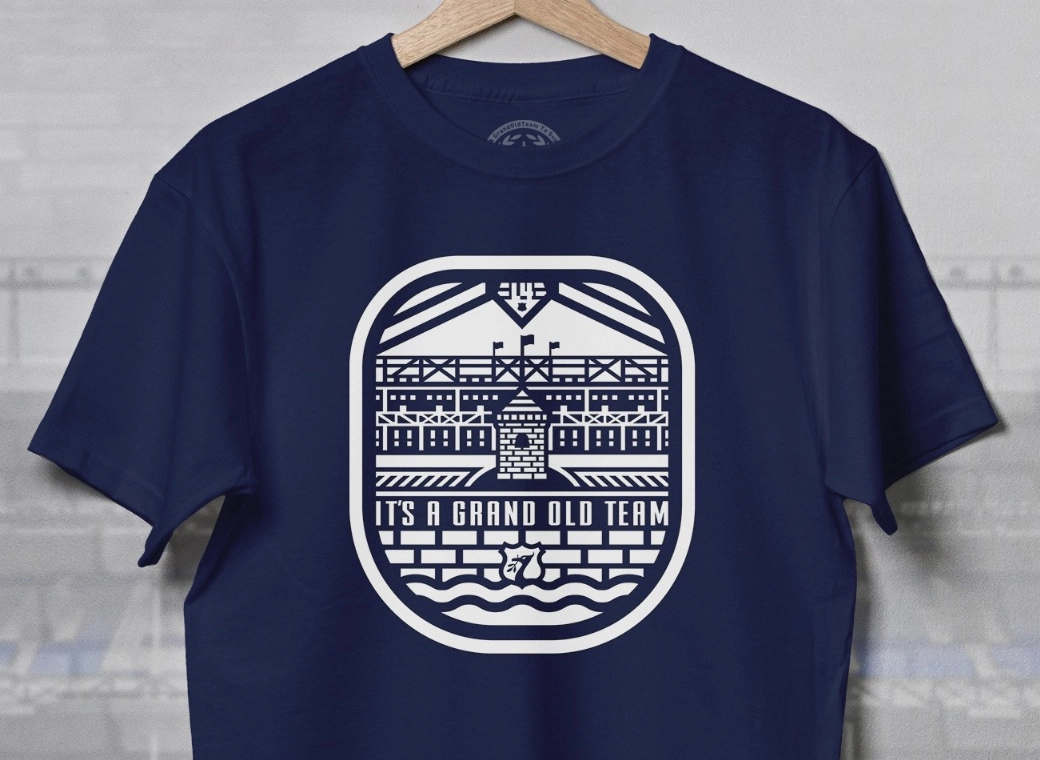
Our newest Everton T-Shirt.
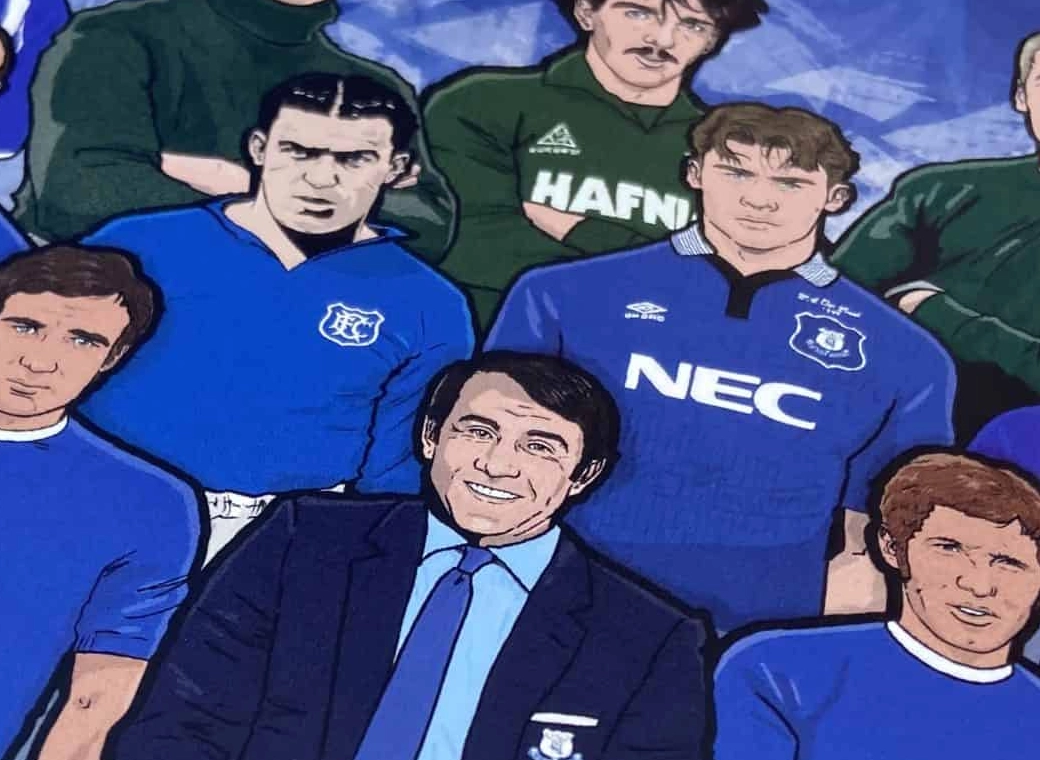
Everton champions, legends, and long-time servants assembled together in one squad photo!
