

I've enjoyed both that and Fooled by Randomness. Taleb is the only person I'm aware has blocked me on twitter. Go figure.
He can't take the chance with you.
I've enjoyed both that and Fooled by Randomness. Taleb is the only person I'm aware has blocked me on twitter. Go figure.

He can't take the chance with you.

Well its not suicide. You can't really use that term when you take so many other lives with you.
Flying is not losing its popularity, my daughter got bumped off a flight to Florida this morning

Hope she is OK like.


Thanks mate, she is on tomorrow's flight
Oh good that's a relief. For a minute there I thought she had been bumped off.
It was the first acknowledgment by Lufthansa that it knew of Mr. Lubitz’s mental health issues before the crash last Tuesday and raised further questions about why the airline allowed Mr. Lubitz to complete his training and go on to fly passenger jets. Prosecutors in Germany said Monday that he had been treated for suicidal tendencies but did not say when, and Lufthansa’s statement did not address when Mr. Lubitz’s depression had occurred, what treatment he might have received or what if any follow-up there was with Mr. Lubitz by the airline.
Lufthansa’s statement on Tuesday came five days after its chief executive, Carsten Spohr, a former pilot, said Mr. Lubitz had been deemed by the airline to be “100 percent flightworthy without any limitations.”
Mr. Spohr said last week that candidates for flight school were chosen not only on the basis of their technical ability but also their psychological fitness. He said that Lufthansa’s screening process was considered state of the art “and we’re very proud of it.”
Police officers who searched through Mr. Lubitz’s apartment in Düsseldorf last Thursday found doctors’ notes that said he was too sick to work, including on the day of the crash. One had been torn up and thrown into the trash, leading investigators to conclude that he was hiding his medical problems from the airline.
Lufthansa’s decision to readmit Mr. Lubitz to pilot training after such a serious bout of depression is sure to receive significant scrutiny. The families of some, if not all, of the victims are also likely to sue the airline over the deaths of their loved ones. Tuesday’s revelations would most likely play a role in any ensuing legal battle.
“Lufthansa will continue to provide the investigating authorities with its full and unlimited support,” the company said in its statement, but would not provide additional comment on the matter “because we do not wish to anticipate the ongoing investigation by the Düsseldorf Public Prosecutor.”
French prosecutors have said that voice recordings and other data show that Mr. Lubitz was at the controls of the plane, refused to readmit the captain to the cockpit after he stepped out to use the bathroom and set the plane on a course to crash into the mountains as the captain frantically tried to break through the door.
Even before the acknowledgment that it had been informed of Mr. Lubitz’s history of depression, Lufthansa had faced the likelihood of large liability costs from the crash.
The revelation could also spur outrage in Germany toward one of the country’s signature companies. Nearly half of the victims were Germans and the plane was bound for Düsseldorf. The passengers included 16 high school students from a single town north of Düsseldorf, Haltern am See. A spokesman for the state of North Rhine-Westphalia, which includes Düsseldorf and Haltern am See, said the state government would have no immediate comment.
An official who has been briefed on the investigation said that only one set of remains from the crash site had been positively identified so far: those of Mr. Lubitz, 27. French officials said Tuesday that they hoped to have all the remains identified by the end of the week.
The disclosures about Mr. Lubitz’s mental health have provoked a debateabout whether new measures are needed to ensure that airlines are aware of pilots’ medical history. A representative of the union that represents German flight attendants warned that strict rules might backfire by causing some to avoid seeking treatment.
“I would warn against making the crew into completely transparent people,” said Christoph Drescher, a representative of the Independent Flight Attendants Organization, known by its German initials U.F.O. “That would just mean that someone would not go to a doctor.”
The current system largely relies on pilots to report any medical or psychological problems they may have suffered.
Mr. Lubitz had an intense love of flying from an early age. He began flying gliders when he was 14 and dreamed of becoming a commercial airline pilot. He was admitted out of high school into Lufthansa’s prestigious flight school where he began training to fly commercial jets. But as Lufthansa officials had previously announced, he broke off his training for several months.
Prosecutors here in Düsseldorf announced on Monday that Mr. Lubitz had been treated by psychotherapists “over a long period of time,” but did not specify when that had occurred.
Officials with knowledge of the investigation said that in addition to his struggles with depression, Mr. Lubitz had sought treatment for vision problems that might have jeopardized his ability to continue working as a pilot. His trouble with his eyes may have been psychosomatic, as prosecutors said there was no physical problem with his health.
Still, personal writings found at his Düsseldorf apartment indicated that the young pilot was afraid of losing his job because of his vision and mental-health issues.

Our exclusive Everton pint glasses are a true collector’s item that pays homage to Goodison Park through iconic players who have graced the pitch over different generations.
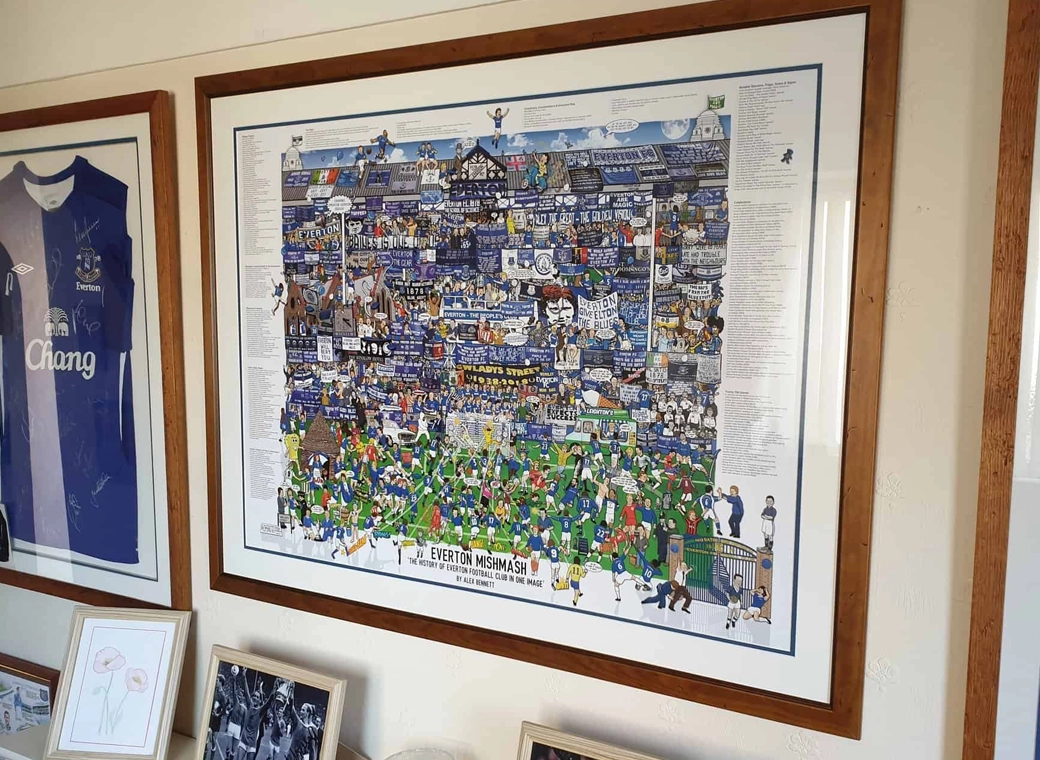
The history of Everton FC in one image! “The best Everton thing I’ve ever got!”
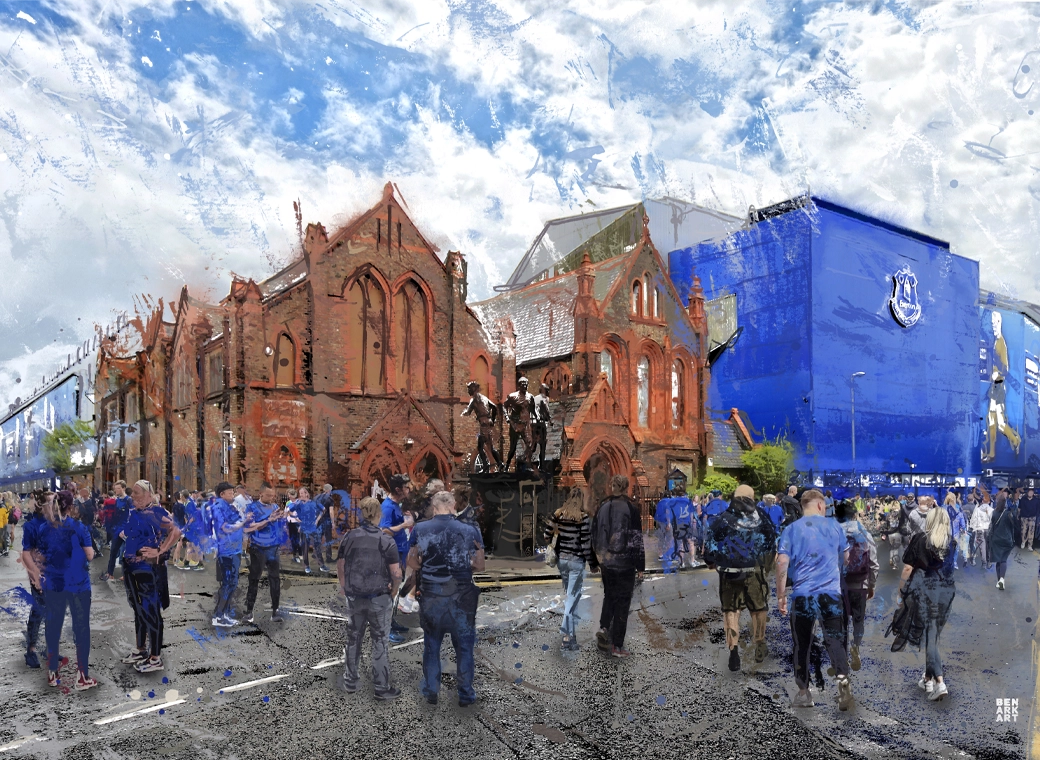
A truly, wonderful piece which brings memories of visits to Goodison Park alive.
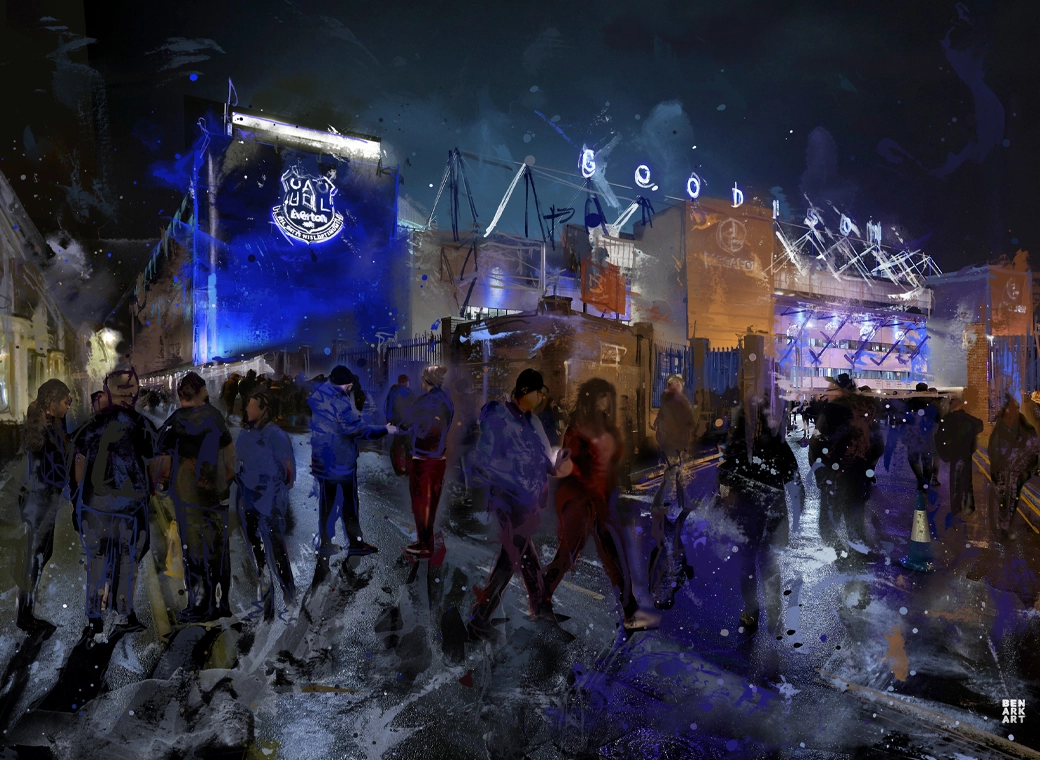
This print wonderfully encapsulates the magic of the ‘Goodison Under The Lights’.
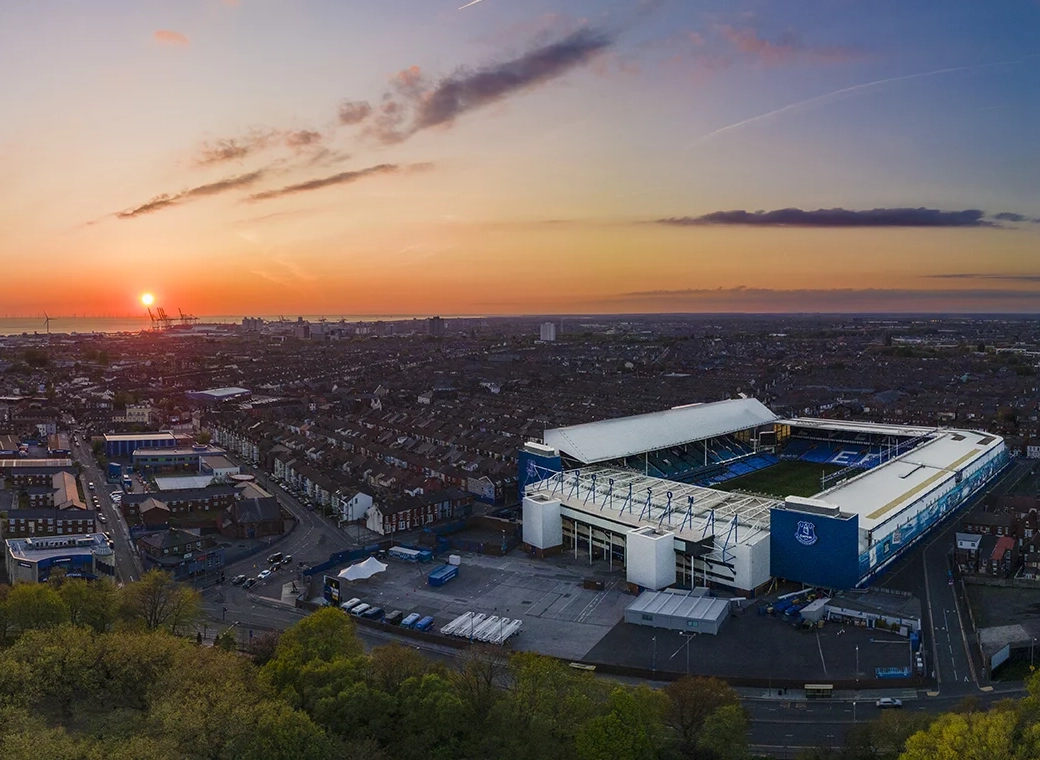
A wonderful, A3 aerial print of Goodison Park.
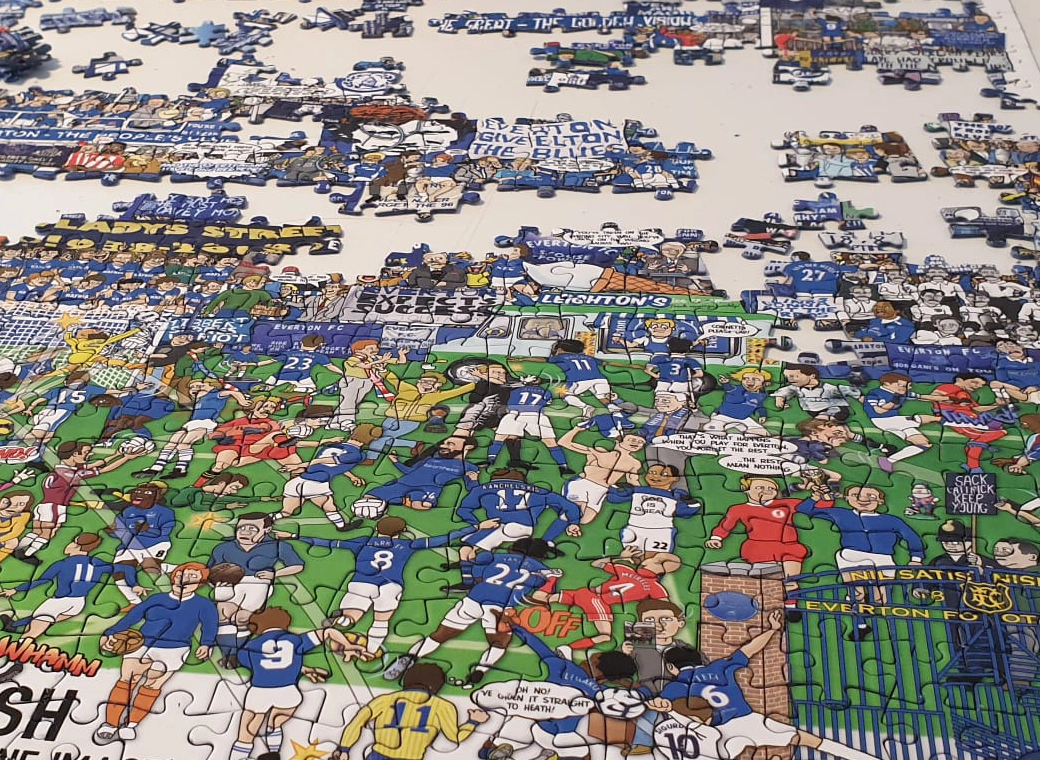
A special, limited edition 1,000 piece jigsaw of the popular Everton Mishmash – The History Of Everton FC In One Image!
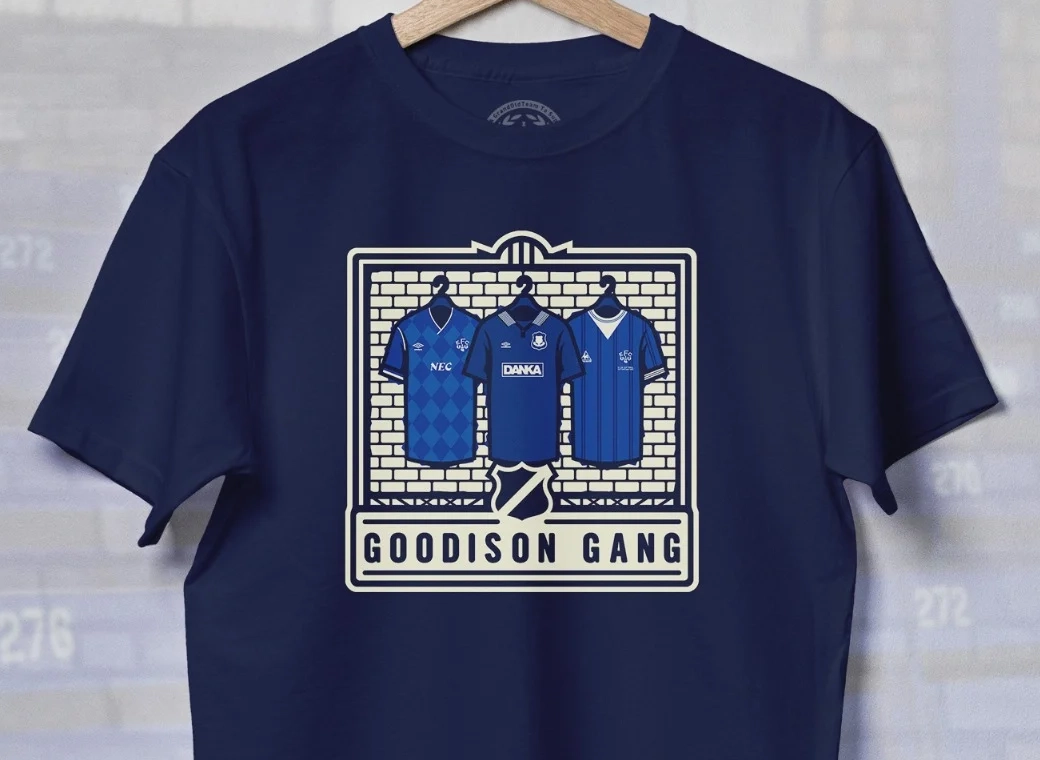
Introducing our Goodison Gang Everton T-Shirt.

Our newest Everton T-Shirt.
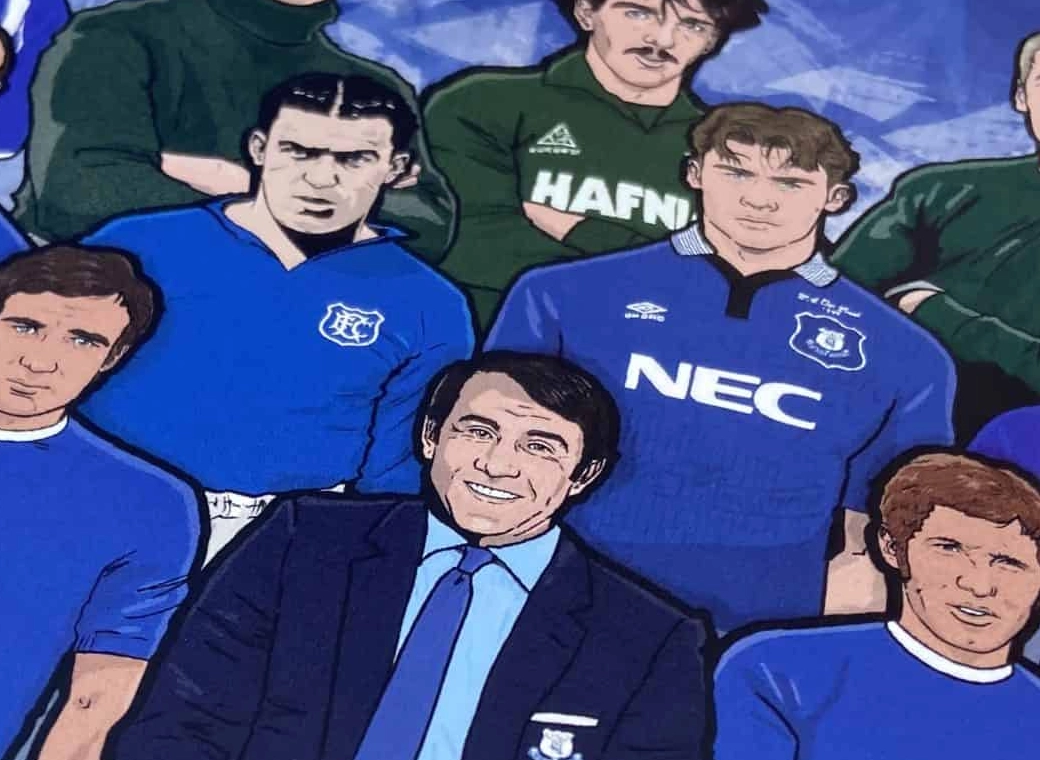
Everton champions, legends, and long-time servants assembled together in one squad photo!
