Groucho's Fact Hunt

The identity of the artist who sculpted Anteros remained a mystery in France for 80 years

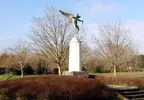
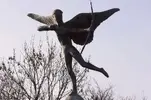
Every day, visitors to the D-Day beaches in Normandy pass by a winged sculpture of the Greek good of love, perched on a plinth in the middle of roundabout just a few miles south of where British troops landed in 1944. This seemingly ordinary landmark hides a fascinating history that winds all the way back to Liverpool.

The life-sized "Anteros" statue in Tierceville was built by British "sapper" Frank Wedgwood Bryson, who was stationed in the commune. Hailing from Liverpool, Bryson hoped to become a professional artist, and attended the Liverpool School of Art before studying at the Royal Academy of Arts schools in London. He joined the 179th Special Field Company Royal Engineers in 1940, and served in the camouflage department (R Force).
IMG_4789.webp

IMG_4790.webp

IMG_4791.webp
 

The identity of the artist who sculpted Anteros remained a mystery in France for 80 years

Every day, visitors to the D-Day beaches in Normandy pass by a winged sculpture of the Greek good of love, perched on a plinth in the middle of roundabout just a few miles south of where British troops landed in 1944. This seemingly ordinary landmark hides a fascinating history that winds all the way back to Liverpool.

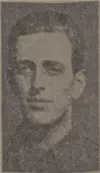
The life-sized "Anteros" statue in Tierceville was built by British "sapper" Frank Wedgwood Bryson, who was stationed in the commune. Hailing from Liverpool, Bryson hoped to become a professional artist, and attended the Liverpool School of Art before studying at the Royal Academy of Arts schools in London. He joined the 179th Special Field Company Royal Engineers in 1940, and served in the camouflage department (R Force).
View attachment 334468

View attachment 334470

View attachment 334471
I heard they lost sight of him after that …
 
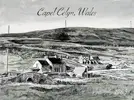
Capel Celyn was flooded to supply water to Liverpool. Its memory still runs deep beneath the Tryweryn waters.

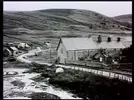
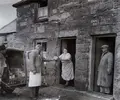
Capel Celyn lay in the Tryweryn Valley, near Bala, Gwynedd .The valley had been settled for centuries, with farming communities shaping the land into smallholdings, fields, and stone-built homesteads. By the 19th century, Capel Celyn had developed into a distinct rural hamlet, named after the chapel (Capel Celyn Chapel) that formed the heart of the settlement. Like many parts of north Wales, it was a close-knit, Welsh-speaking community, where life revolved around agriculture, chapel worship, and education.

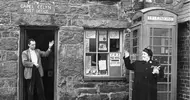
The village supported a school, post office, and farms. The chapel, built in 1820, was both a religious and social hub. Nonconformist traditions ran strong here, and the Welsh language was the everyday medium of life. By the mid-20th century, about 70 people lived in the village, spread across roughly a dozen farms and cottages.

The Tryweryn Reservoir Scheme

In the 1950s, Liverpool City Council sought to secure water supplies for its growing population and industries. Rather than build within England, they looked across the border. The Tryweryn Valley was chosen for flooding, despite it being one of the rare wholly Welsh-speaking communities.

In 1957, Liverpool promoted a private bill in the UK Parliament to authorise the flooding. Crucially, the bill bypassed Welsh local authorities, none of which supported the plan. Of the 36 Welsh MPs, 35 opposed it (the only supporter was an English MP). Despite this, Westminster passed the bill, highlighting Wales’s lack of political power at the time.

The Drowning of Capel Celyn

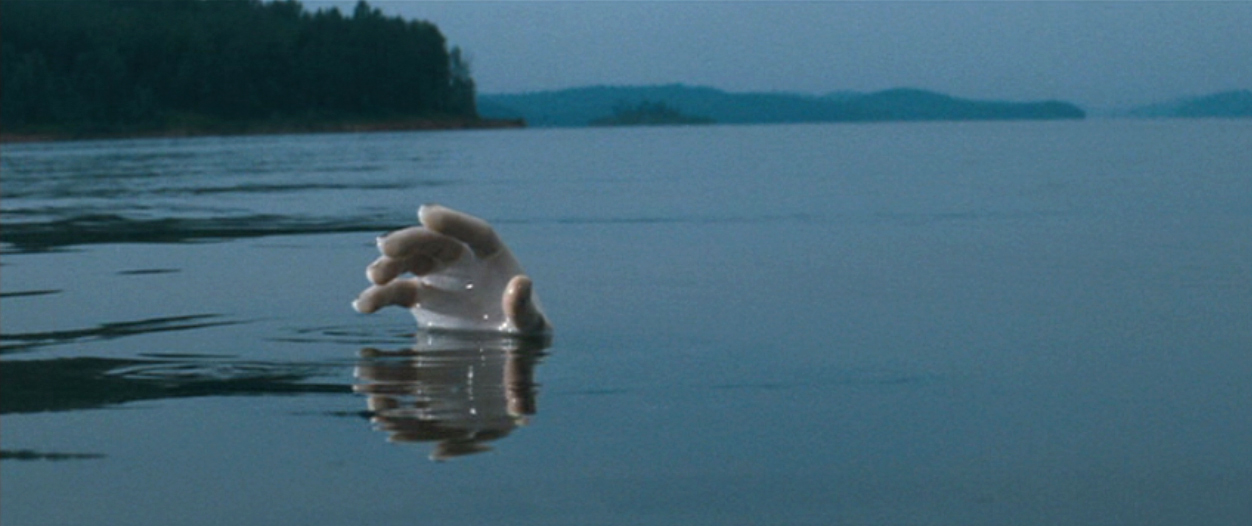
Work on the reservoir began soon after. Families were forced to sell their land and leave their homes. The chapel, school, post office, and farms were all demolished. Even the cemetery had to be disinterred; bodies were moved and reburied elsewhere before the water rose. On October 21st 1965, Llyn Celyn reservoir was officially opened, submerging the village forever beneath its waters.

Political and Cultural Impact

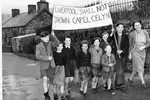
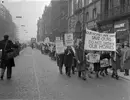
The flooding of Capel Celyn was not just a local tragedy, but a national turning point. It ignited Welsh political consciousness and resentment toward Westminster’s disregard for Welsh communities. Protests and campaigns surrounding Tryweryn drew attention to the lack of self-government in Wales and helped strengthen movements for devolution, cultural preservation, and language rights.

The slogan “Cofiwch Dryweryn” (“Remember Tryweryn”) became a rallying cry. It is still seen painted on walls and monuments across Wales, reminding future generations of the injustice.

IMG_4900.webp

IMG_4901.webp

IMG_4902.webp

IMG_4903.webp

IMG_4904.webp

IMG_4905.webp
 
Capel Celyn was flooded to supply water to Liverpool. Its memory still runs deep beneath the Tryweryn waters.

Capel Celyn lay in the Tryweryn Valley, near Bala, Gwynedd .The valley had been settled for centuries, with farming communities shaping the land into smallholdings, fields, and stone-built homesteads. By the 19th century, Capel Celyn had developed into a distinct rural hamlet, named after the chapel (Capel Celyn Chapel) that formed the heart of the settlement. Like many parts of north Wales, it was a close-knit, Welsh-speaking community, where life revolved around agriculture, chapel worship, and education.

The village supported a school, post office, and farms. The chapel, built in 1820, was both a religious and social hub. Nonconformist traditions ran strong here, and the Welsh language was the everyday medium of life. By the mid-20th century, about 70 people lived in the village, spread across roughly a dozen farms and cottages.

The Tryweryn Reservoir Scheme

In the 1950s, Liverpool City Council sought to secure water supplies for its growing population and industries. Rather than build within England, they looked across the border. The Tryweryn Valley was chosen for flooding, despite it being one of the rare wholly Welsh-speaking communities.

In 1957, Liverpool promoted a private bill in the UK Parliament to authorise the flooding. Crucially, the bill bypassed Welsh local authorities, none of which supported the plan. Of the 36 Welsh MPs, 35 opposed it (the only supporter was an English MP). Despite this, Westminster passed the bill, highlighting Wales’s lack of political power at the time.

The Drowning of Capel Celyn

Work on the reservoir began soon after. Families were forced to sell their land and leave their homes. The chapel, school, post office, and farms were all demolished. Even the cemetery had to be disinterred; bodies were moved and reburied elsewhere before the water rose. On October 21st 1965, Llyn Celyn reservoir was officially opened, submerging the village forever beneath its waters.

Political and Cultural Impact

The flooding of Capel Celyn was not just a local tragedy, but a national turning point. It ignited Welsh political consciousness and resentment toward Westminster’s disregard for Welsh communities. Protests and campaigns surrounding Tryweryn drew attention to the lack of self-government in Wales and helped strengthen movements for devolution, cultural preservation, and language rights.

The slogan “Cofiwch Dryweryn” (“Remember Tryweryn”) became a rallying cry. It is still seen painted on walls and monuments across Wales, reminding future generations of the injustice.

View attachment 335615

View attachment 335616

View attachment 335617

View attachment 335618

View attachment 335619

View attachment 335620
#Cofiwch Tryweryn ❤️
 

Capel Celyn was flooded to supply water to Liverpool. Its memory still runs deep beneath the Tryweryn waters.

Capel Celyn lay in the Tryweryn Valley, near Bala, Gwynedd .The valley had been settled for centuries, with farming communities shaping the land into smallholdings, fields, and stone-built homesteads. By the 19th century, Capel Celyn had developed into a distinct rural hamlet, named after the chapel (Capel Celyn Chapel) that formed the heart of the settlement. Like many parts of north Wales, it was a close-knit, Welsh-speaking community, where life revolved around agriculture, chapel worship, and education.

The village supported a school, post office, and farms. The chapel, built in 1820, was both a religious and social hub. Nonconformist traditions ran strong here, and the Welsh language was the everyday medium of life. By the mid-20th century, about 70 people lived in the village, spread across roughly a dozen farms and cottages.

The Tryweryn Reservoir Scheme

In the 1950s, Liverpool City Council sought to secure water supplies for its growing population and industries. Rather than build within England, they looked across the border. The Tryweryn Valley was chosen for flooding, despite it being one of the rare wholly Welsh-speaking communities.

In 1957, Liverpool promoted a private bill in the UK Parliament to authorise the flooding. Crucially, the bill bypassed Welsh local authorities, none of which supported the plan. Of the 36 Welsh MPs, 35 opposed it (the only supporter was an English MP). Despite this, Westminster passed the bill, highlighting Wales’s lack of political power at the time.

The Drowning of Capel Celyn

Work on the reservoir began soon after. Families were forced to sell their land and leave their homes. The chapel, school, post office, and farms were all demolished. Even the cemetery had to be disinterred; bodies were moved and reburied elsewhere before the water rose. On October 21st 1965, Llyn Celyn reservoir was officially opened, submerging the village forever beneath its waters.

Political and Cultural Impact

The flooding of Capel Celyn was not just a local tragedy, but a national turning point. It ignited Welsh political consciousness and resentment toward Westminster’s disregard for Welsh communities. Protests and campaigns surrounding Tryweryn drew attention to the lack of self-government in Wales and helped strengthen movements for devolution, cultural preservation, and language rights.

The slogan “Cofiwch Dryweryn” (“Remember Tryweryn”) became a rallying cry. It is still seen painted on walls and monuments across Wales, reminding future generations of the injustice.

View attachment 335615

View attachment 335616

View attachment 335617

View attachment 335618

View attachment 335619

View attachment 335620
Coincidentally, I was there a few weeks ago. I also recently watched a programme about it and the input of the locals who were living there at the time (lots were obvs children back then). It’s still very emotive in that area.
 
Coincidentally, I was there a few weeks ago. I also recently watched a programme about it and the input of the locals who were living there at the time (lots were obvs children back then). It’s still very emotive in that area.
Back then it was nice tasting drinkable water for Corpy water though
 
Capel Celyn was flooded to supply water to Liverpool. Its memory still runs deep beneath the Tryweryn waters.

Capel Celyn lay in the Tryweryn Valley, near Bala, Gwynedd .The valley had been settled for centuries, with farming communities shaping the land into smallholdings, fields, and stone-built homesteads. By the 19th century, Capel Celyn had developed into a distinct rural hamlet, named after the chapel (Capel Celyn Chapel) that formed the heart of the settlement. Like many parts of north Wales, it was a close-knit, Welsh-speaking community, where life revolved around agriculture, chapel worship, and education.

The village supported a school, post office, and farms. The chapel, built in 1820, was both a religious and social hub. Nonconformist traditions ran strong here, and the Welsh language was the everyday medium of life. By the mid-20th century, about 70 people lived in the village, spread across roughly a dozen farms and cottages.

The Tryweryn Reservoir Scheme

In the 1950s, Liverpool City Council sought to secure water supplies for its growing population and industries. Rather than build within England, they looked across the border. The Tryweryn Valley was chosen for flooding, despite it being one of the rare wholly Welsh-speaking communities.

In 1957, Liverpool promoted a private bill in the UK Parliament to authorise the flooding. Crucially, the bill bypassed Welsh local authorities, none of which supported the plan. Of the 36 Welsh MPs, 35 opposed it (the only supporter was an English MP). Despite this, Westminster passed the bill, highlighting Wales’s lack of political power at the time.

The Drowning of Capel Celyn

Work on the reservoir began soon after. Families were forced to sell their land and leave their homes. The chapel, school, post office, and farms were all demolished. Even the cemetery had to be disinterred; bodies were moved and reburied elsewhere before the water rose. On October 21st 1965, Llyn Celyn reservoir was officially opened, submerging the village forever beneath its waters.

Political and Cultural Impact

The flooding of Capel Celyn was not just a local tragedy, but a national turning point. It ignited Welsh political consciousness and resentment toward Westminster’s disregard for Welsh communities. Protests and campaigns surrounding Tryweryn drew attention to the lack of self-government in Wales and helped strengthen movements for devolution, cultural preservation, and language rights.

The slogan “Cofiwch Dryweryn” (“Remember Tryweryn”) became a rallying cry. It is still seen painted on walls and monuments across Wales, reminding future generations of the injustice.

View attachment 335615

View attachment 335616

View attachment 335617

View attachment 335618

View attachment 335619

View attachment 335620
And we think what that club did to people living around Anfield was bad.
 
And we think what that club did to people living around Anfield was bad.
deliverance02.jpg
 
Because of this
I thought of the four from the worlds in 1991 (I could name Regis, Akabusi, Black but I'd forgotten the other - Derek Redmond, my apologies) anyway, scooting around the internet as you do I found this from earlier this year that had passed me by.


So more usa doping from that era. 28 years is some wait, and how is it Roger Black has got Iwan Thomas to do his ageing for him?
 

Because of this

I thought of the four from the worlds in 1991 (I could name Regis, Akabusi, Black but I'd forgotten the other - Derek Redmond, my apologies) anyway, scooting around the internet as you do I found this from earlier this year that had passed me by.


So more usa doping from that era. 28 years is some wait, and how is it Roger Black has got Iwan Thomas to do his ageing for him?
Man - they look ancient! Since athletes are rarely seen after they retire you always think of them looking like they did back in the day.
 
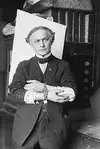
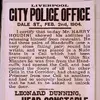
HARRY HOUDINI IN LIVERPOOL.

Police testify to Harry Houdini magic in Liverpool 101 yeas ago. He freed himself from three pairs of handcuffs and opened all the cell doors of the local prison.

A flyer for the escape artist’s show at the Empire on February 2, 1904, featured the testimony of Leonard Dunning, Head Constable at Liverpool city police office. Mr Dunning wrote: “I certify that today Mr Harry Houdini showed his abilities in releasing himself from restraint.
“He had three pairs of handcuffs (one a very close fitting pair round his wrists, and was placed in a nude state in a cell, which had been previously searched. “Within six minutes he was free from the handcuffs, had opened the cell, and had opened the doors of all the other cells in the corridor; had changed a prisoner from one cell to another, and had so securely locked him in that he had to be asked to unlock the door.”

Houdini is reported to have performed other stunts in Liverpool - in December 1908, he dived manacled in the Mersey. The escapologist wore regulation police handcuffs, chains and leg irons, and it was described by the ECHO at the time as a “daring leap”.

He also once did a tight-rope walk with a local boy in Eastham, Wirral.

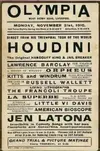
Harry Houdini visited Liverpool in February 1904, performing at the Liverpool Empire and famously escaping from the city's Cheapside Bridewell prison cell, solidifying his legend as the "Handcuff King" by breaking out of handcuffs and locking himself out of cells, a feat later celebrated by local venues like the Liverpool Olympia where he also performed.

February 1904 (Liverpool Empire): Houdini's first major run in Liverpool, showcasing his escapes to enthusiastic crowds.

Cheapside Bridewell (Dale Street): During this visit, he performed a legendary feat by stripping naked, being locked in a cell with handcuffs, and escaping, even swapping places with a prisoner.

Liverpool Olympia: He also performed at this historic venue.

IMG_4967.webp

IMG_4966.webp

IMG_4965.webp
 

Welcome

Join Grand Old Team to get involved in the Everton discussion. Signing up is quick, easy, and completely free.

Shop

Back
Top